
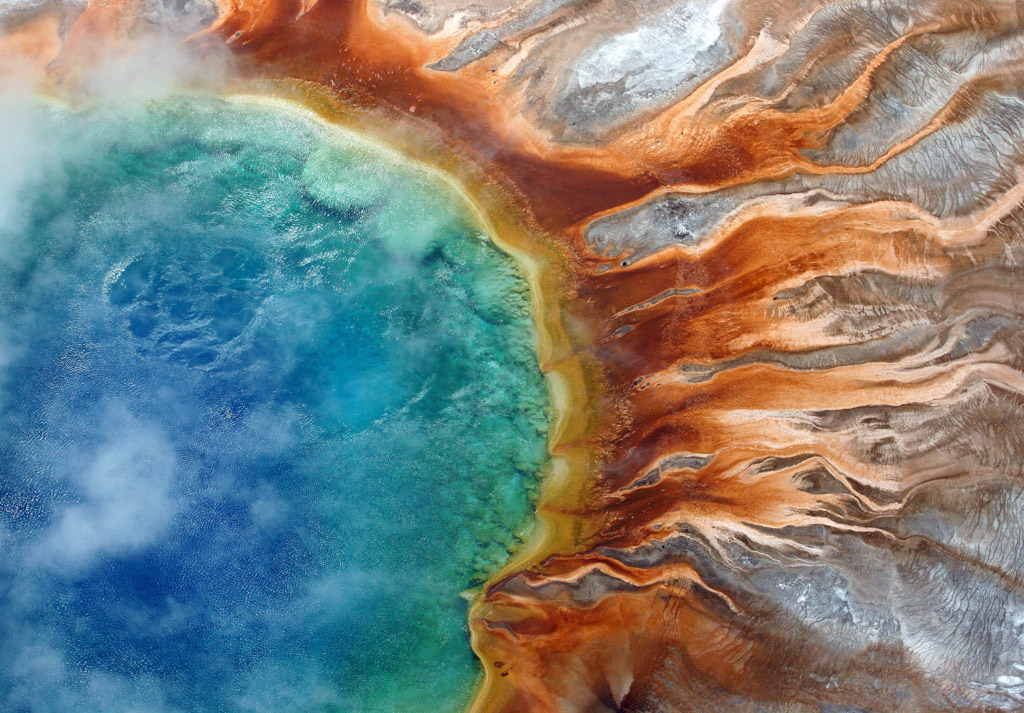
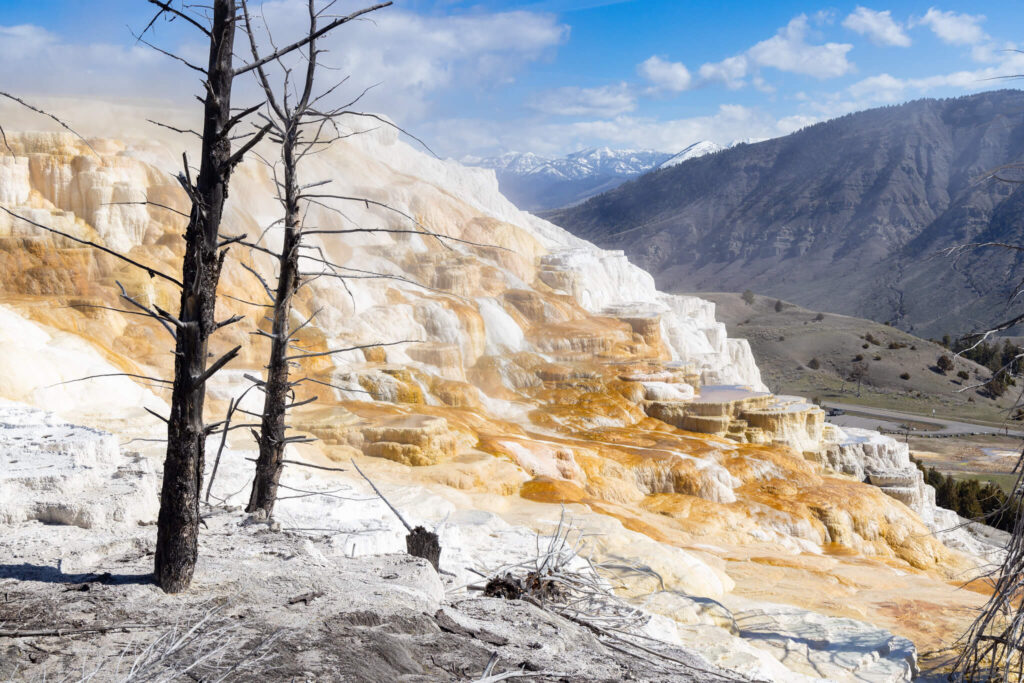
 For years it was suspected—but never proven—that life could survive in the extreme heat of Yellowstone’s thermal features. Then, in the 1960s, researcher and professor Dr. Thomas Brock found a number of bacteria thriving in a hot spring near Great Fountain Geyser. Since Dr. Brock’s discovery, dozens of other thermophilic microbes have been uncovered living in the hot springs, steam vents, geysers, and mud pots within the park’s boundaries.
Incredibly, these microscopic organisms thrive at temperatures ranging from around 90-degrees to almost 200-degrees Fahrenheit, and include different types of algae, protozoa, fungi, bacteria, viruses, and archaea. Along with giving many of Yellowstone’s thermal features, their distinct rainbow colors and photogenic appearances, these microbes have also been found to be useful to humans in much more substantial ways.
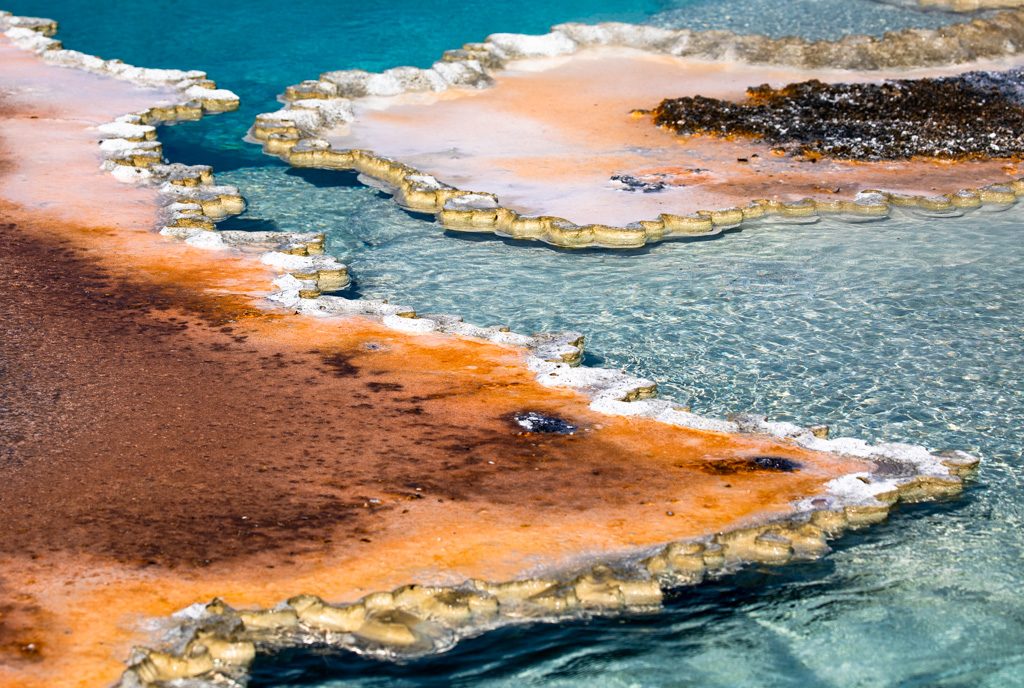 For instance, one of the organisms, Thermus aquaticus, Dr. Brock found contained an enzyme, polymerase, which biochemist Dr. Kary Mullis used during the 1980s to develop a method of copying DNA called polymerase chain reaction (PCR). A groundbreaking achievement that led to Dr. Mullis winning the Nobel Prize in chemistry, today this process is widely used in medical research and diagnosis (HIV, for instance), biotechnology, and molecular biology. Thermus aquaticus is also the driver of the chain reaction scientists employ to carry out the type of DNA screening and fingerprinting used in crime scene investigations or genetic testing, and has become the basis of a $300 million industry.
More recently, Montana State University researchers discovered a new species of bacterium in the park that converts light to energy through photosynthesis. By changing the way scientists think about solar energy capture, this find may contribute to the exploration of alternative fuel sources.
Though lab work is still being conducted, other Yellowstone microbes have been linked to research dealing with the cleansing of CO2 emissions, drought resistant crops, life on other planets and the possible development of new cancer drugs. These findings may just be the tip of the iceberg, as some believe that the hot water features of Yellowstone could contain thousands of other microorganisms that may one day lead to other scientific discoveries that change the world as we know it.
RELATED | YELLOWSTONE FOREVER PARK STORE
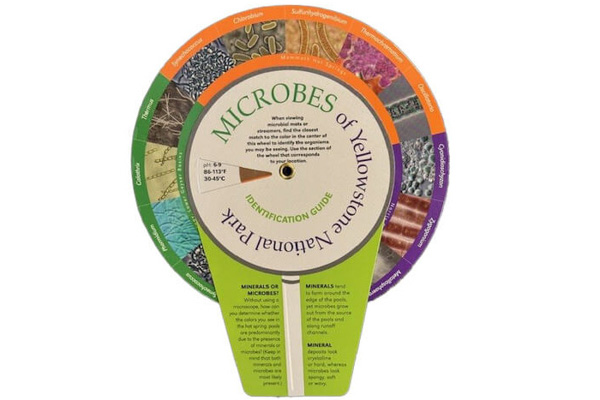
For information on Yellowstone’s microbes and more, check out these resources available at Yellowstone Forever Park Stores and online. All purchases help support critical projects and programs in Yellowstone National Park.

Comments are closed.