
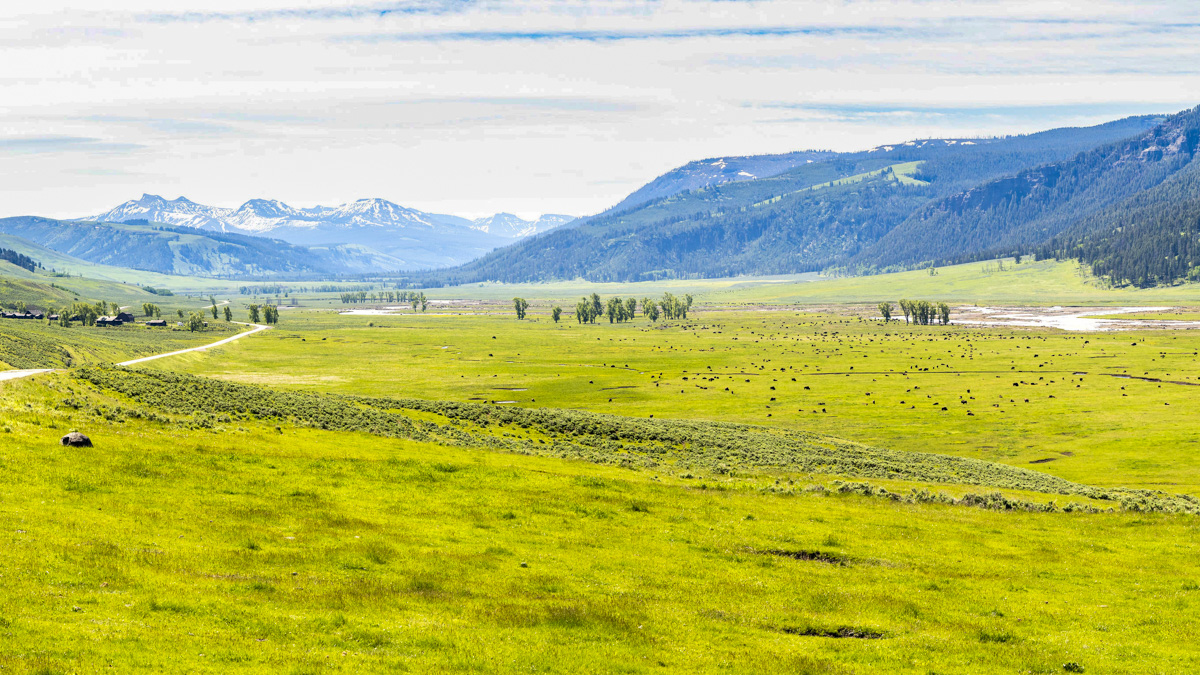
In Yellowstone, spring does not unfold so much as erupt. It comes all at once – a visible, almost audible surge of green pushing up through the snow’s retreat. One week the valleys are dull and dun, striped with muddy runoff channels. By the next week, the land is wafting pollen and swathed in color. Grasses spear upward, willows trace the creek edges with new leaves, and wildflowers flare urgently, as if the season itself were uncertain of its own duration. This explosive return of green is not merely scenic. It is the engine that drives survival across the park.
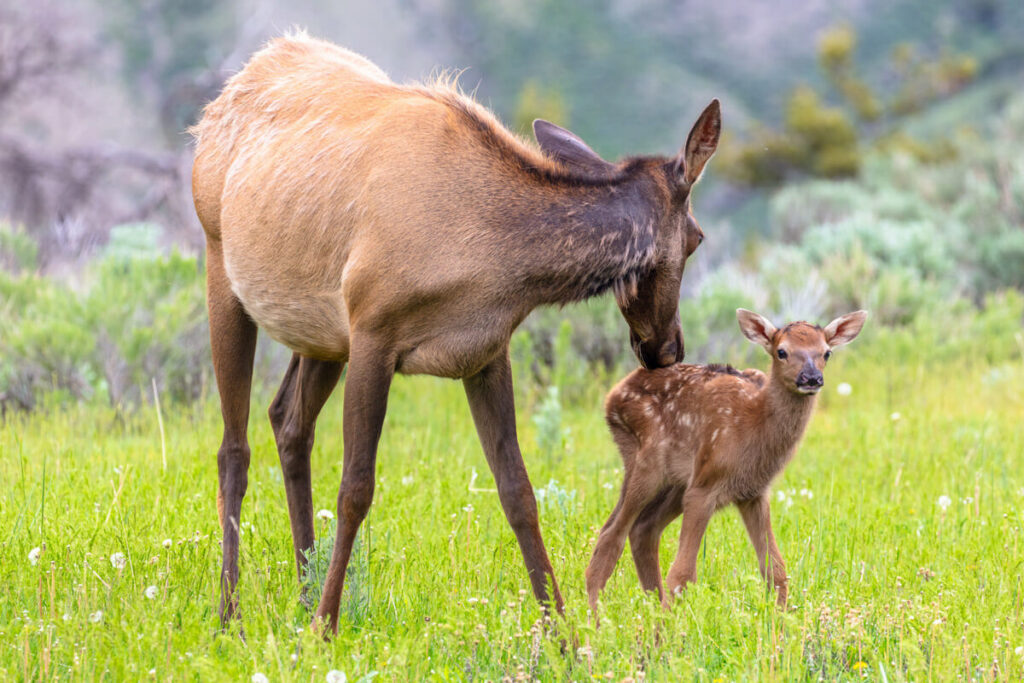 The first responders are the grasses. Bluebunch Wheatgrass, Idaho Fescue, and Blue Grama wake early, translating sunlight into food with astonishing speed. For grazers – elk moving off winter range, bison beginning to calve, pronghorn testing their legs – this greening is a metabolic rescue. After months of fat loss, the protein-rich young shoots reboot bodies and pregnancies alike. A cow elk’s success in nursing her calf will depend, in part, on how quickly these grasses rebound after snowmelt, and how long the cool, wet window of nutrient-dense growth persists before summer heat turns them fibrous.
Yet grasses do more than feed mouths. Their roots knit soil loosened by frost and flood, stabilizing streambanks and hillsides. They slow runoff, allowing water to soak in rather than rush away. In this way, grasslands act as Yellowstone’s first line of ecological infrastructure, ensuring that the pulse of snowmelt becomes a sustained flow rather than a destructive surge. What seems low and simple underfoot is, in truth, quietly architectural.
 If grasses are the park’s foundation, willows are its scaffolding. Along creeks and rivers, willows leaf out just as beavers finish gnawing their winter stores. The timing matters. Fresh willow stems are rich in nutrients, fueling lactation in moose cows and replenishing beavers already drafting their spring construction plans. Where willows thrive, water slows and spreads. Their roots brace banks; their stems trap sediment; their shade cools streams for trout emerging from reeds downstream.
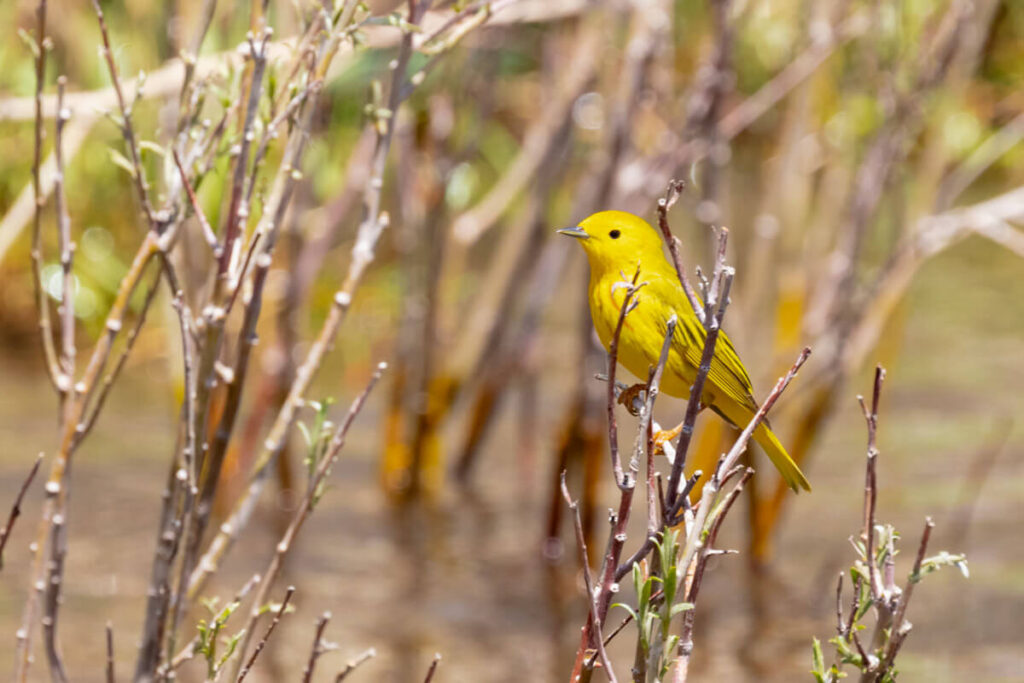
The willow’s green-up also changes the soundscape. Songbirds arrive to a landscape suddenly full of cover. Yellow Warblers stitch nests from grass fibers and spider silk, tucking them into forked branches newly hidden by leaves. Willow flycatchers stake out territories where insects will soon pulse into abundance. The leaves themselves are factories, converting sunlight into the sugar that feeds aphids, caterpillars, and leafhoppers – creatures often unseen, yet indispensable. What appears as a simple curtain of green is, in reality, a multi-story apartment complex for the food web.
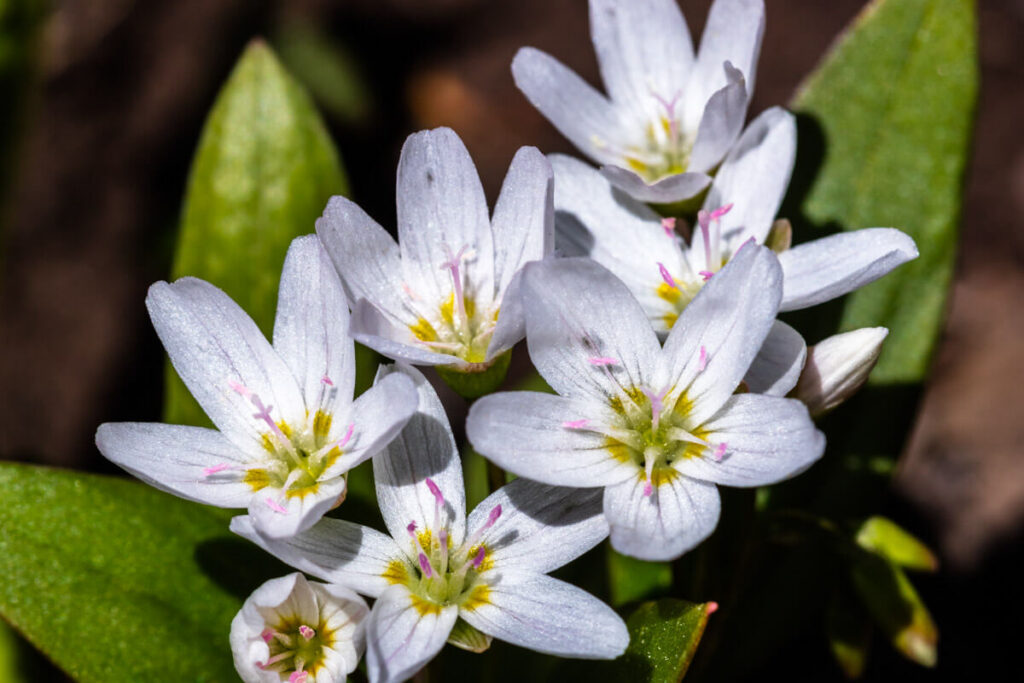 Then come the wildflowers, brief and dazzling. Shooting Stars and Spring Beauties drink snowmelt to push up through the duff. Glacier Lilies, Balsamroot, and Lupine follow in succession, choreographing bloom times to pollinator life cycles. For bumblebees emerging from overwintering, early flowers can mean the difference between colony success and failure. For butterflies and other insects, timing is everything. Adults often emerge with a narrow window to feed, mate, and lay eggs before weather or predators close in. Too early or too late and nectar is missed, energy runs short, and reproduction falters.
These blooms also anchor the future. Pollination sets seed; seed feeds rodents; rodents feed foxes, hawks, and owls provisioning young in cramped hollows or high on cliff ledges. Some seeds will lie latent, insurance policies against drought or fire. Others will germinate quickly, filling disturbed ground with green before erosion or invasive species can claim it. Wildflowers, ephemeral as they appear, are long-game players.
Nesting birds feel the synchrony acutely. Ground-nesters like Savannah Sparrows choose sites based on grass height and density – too sparse invites predators; too thick obscures escape. Waterfowl wait for emergent vegetation to provide concealment for eggs laid close to shore. Even raptors time reproduction to the green wave, ensuring that the rodents they prey on are plentiful as nestlings demand constant meals.
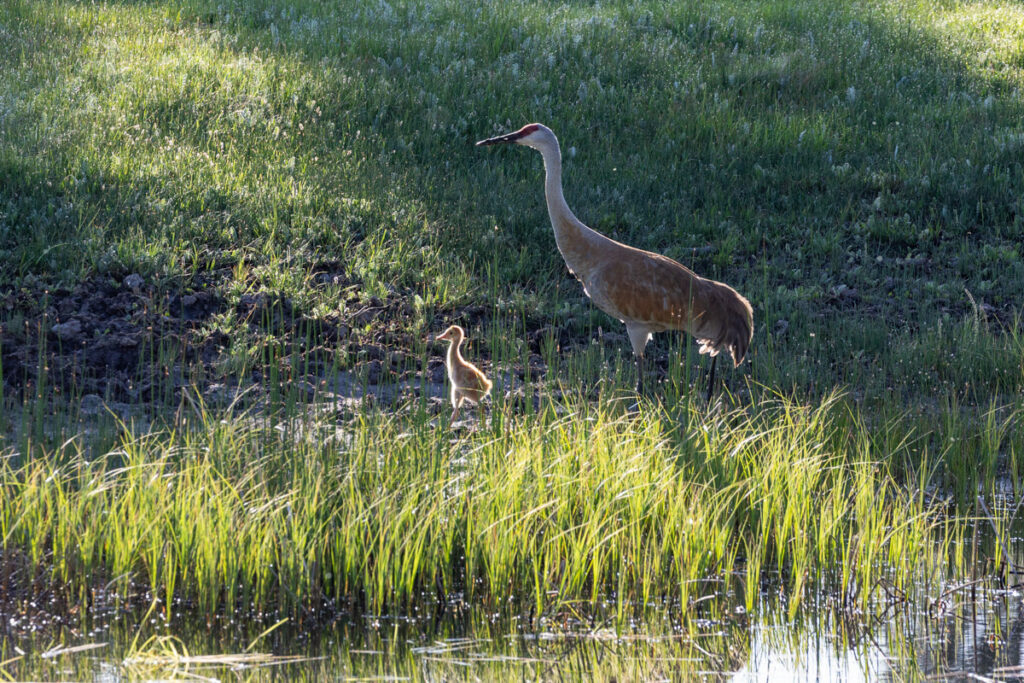 What makes Yellowstone’s spring exceptional is not just abundance, but simultaneity. Grasses, willows, wildflowers all surge together, creating an overlapping safety net of food, cover, and opportunity. There is little margin for delay in a high-elevation landscape with a short growing season. Miss the green wave, and the year goes lean.
Standing in a valley as the park turns green, one senses how quickly life answers light. The transformation feels explosive because it is urgent. Winter loosens its grip, and Yellowstone responds everywhere at once – not as a collection of species, but as a single, surging system, green and alive, buying itself another year.
by Yellowstone Forever Field Educator Manager, Sam Archibald
Click here to learn about our wide variety of Yellowstone Forever Institute programs and tours.
Photos:
Feature, Lamar Valley, NPS / Jacob W. Frank
Elk cow and calf, NPS / Jacob W. Frank
Yellow warbler, NPS / Jacob W. Frank
Spring beauties wildflowers, NPS / Jacob W. Frank
Sandhill crane and chick, YF / Matt Ludin
Comments are closed.