How changing daylight, weather, and food availability guide the journeys of songbirds, waterfowl, and raptors as they prepare for winter beyond Yellowstone. By Mary Ricker, Institute Field Educator Signs of... read more →
How multiple species - from birds to bears - prepare for winter through movement and energy storage. By Amanda Harper, Institute Field Educator The brutal heat dies down,... read more →
How plants, animals, and even insects adapt to wildfire season. By Amanda Evans, Institute Lead Field Educator When fire sweeps through human communities, it can be devastating. In wild landscapes,... read more →
Most weekends, I grab an iced coffee, pack a lunch, and drive out to a pond somewhere in Yellowstone. After I set up my scope and grab my binoculars, I... read more →
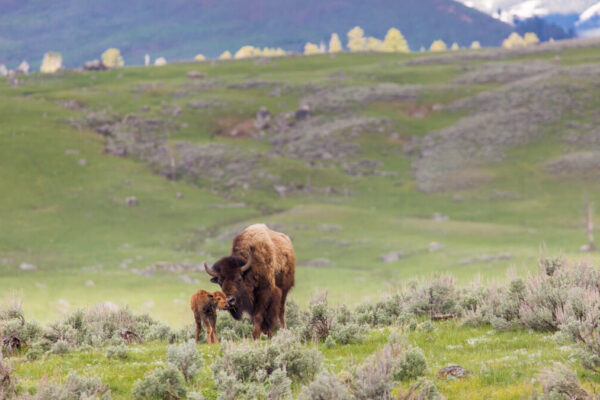
In the hush of a late May morning, a bison cow steps away from the herd and chooses a patch of open ground where she can see in all directions.... read more →
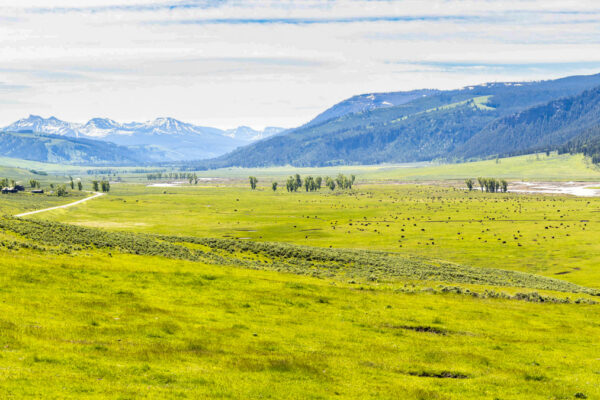
In Yellowstone, spring does not unfold so much as erupt. It comes all at once – a visible, almost audible surge of green pushing up through the snow’s retreat. One... read more →
It’s not a prank: April 1st means winter is coming to a close. The sun is shining down along the valleys on a spring morning. The elk and bison turn... read more →
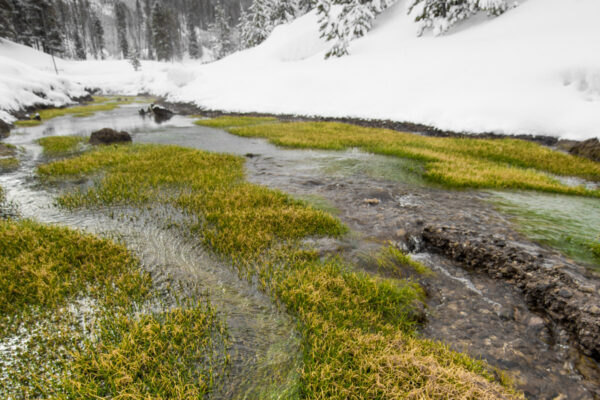
March in Yellowstone comes with many things: snow, freezing temperatures, but also the first glimpses of spring. The first bison calves often drop, the earliest of wildflowers poke through, the... read more →
On a crisp January morning, when the air holds its breath and the only sound is the soft rasp of a raven’s wings overhead, it’s easy to think of winter... read more →
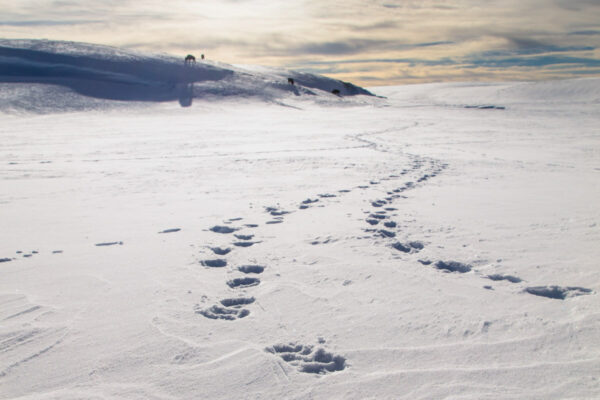
A field guide to interpreting snow prints, wing marks, beds, and scat—revealing how wolves, foxes, otters, and ungulates navigate deep winter. Includes tips for safe observation and Leave No... read more →