When most people think of Yellowstone, they picture geysers, bison, and dramatic mountain landscapes. But autumn brings a different kind of magic to the park. As temperatures cool and summer crowds fade, Yellowstone’s forests and valleys burst into shades of gold, amber, orange, and crimson. The combination of colorful foliage, abundant wildlife, and crisp mountain air makes fall one of the most rewarding times to visit.
Here are some of the best places in Yellowstone to experience the park’s spectacular fall colors.
Lamar Valley: Golden Cottonwoods and Wildlife
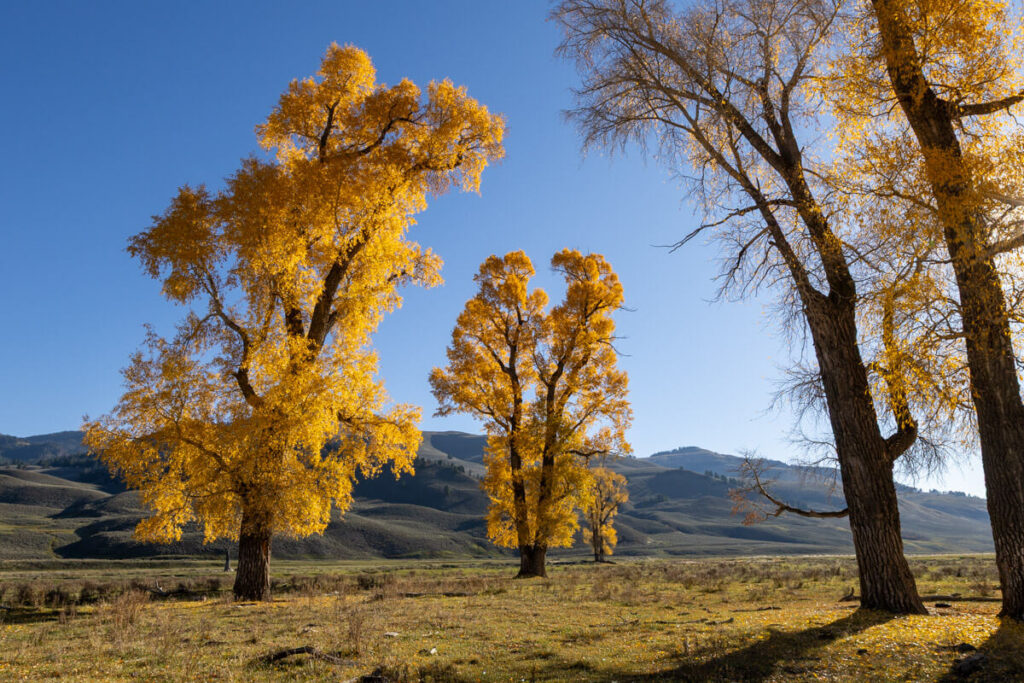
Lamar Valley is one of the premier destinations for wildlife viewing in Yellowstone. In autumn, the valley’s cottonwood trees turn brilliant shades of yellow, creating a stunning contrast against the rolling sagebrush hills and distant mountains.
The golden foliage frames the Lamar River and provides a beautiful backdrop for spotting bison, elk, pronghorn, and wolves. Morning and evening light intensifies the colors, making this one of the most photogenic locations in the park.
YF / Matt Ludin
Mammoth Hot Springs: Colorful Hillsides and Historic Charm
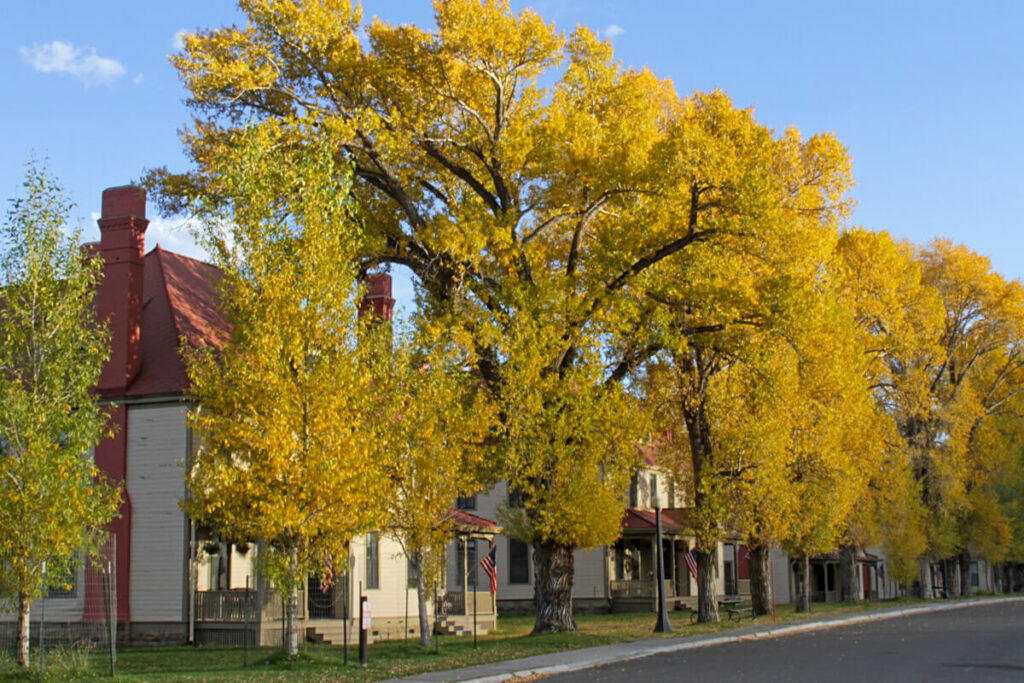
The area surrounding Mammoth Hot Springs showcases vibrant stands of aspen and cottonwood trees each fall. The hillsides along the Gardner River and around the historic Fort Yellowstone district glow with shades of gold and amber.
A walk through Mammoth’s historic buildings or along the Upper and Lower Terraces combines autumn colors with unique geothermal features, creating a blend of natural and cultural landscapes found nowhere else in the park.
NPS / Jim Peaco
Tower-Roosevelt Area: Aspens in the Northern Range
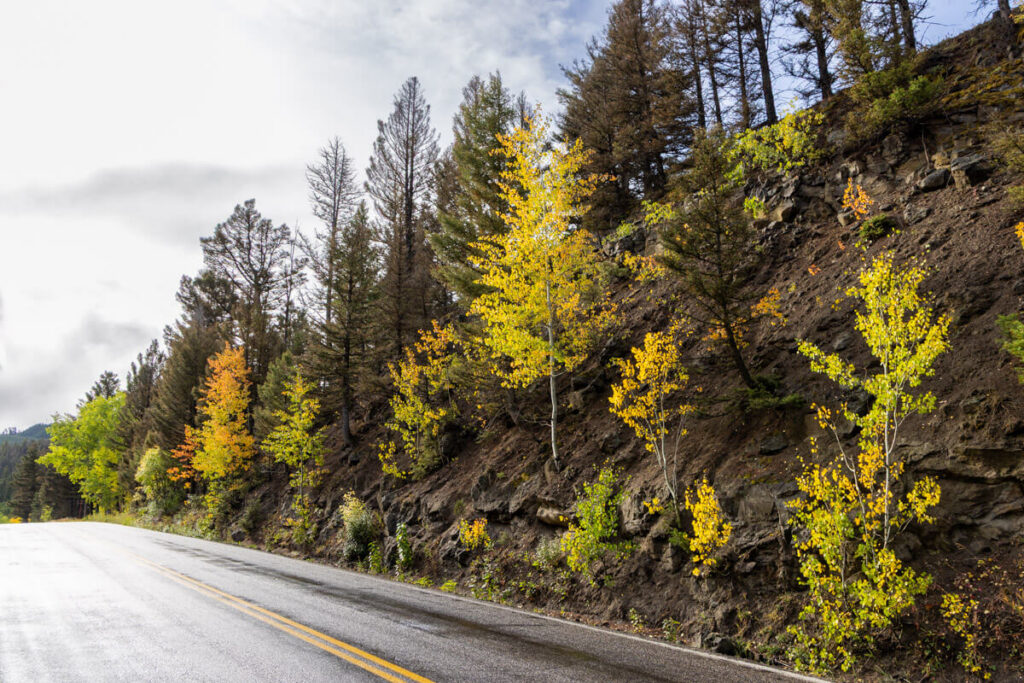
The Northern Range near Tower-Roosevelt is one of Yellowstone’s hidden gems for fall color. Quaking aspens scattered throughout the hillsides shimmer in the breeze, turning entire slopes into golden blankets.
The drive between Tower Junction and Mammoth Hot Springs offers numerous pullouts where visitors can stop and admire colorful valleys framed by rugged volcanic cliffs.
YF / Matt Ludin
Blacktail Plateau Drive: A Quiet Autumn Escape
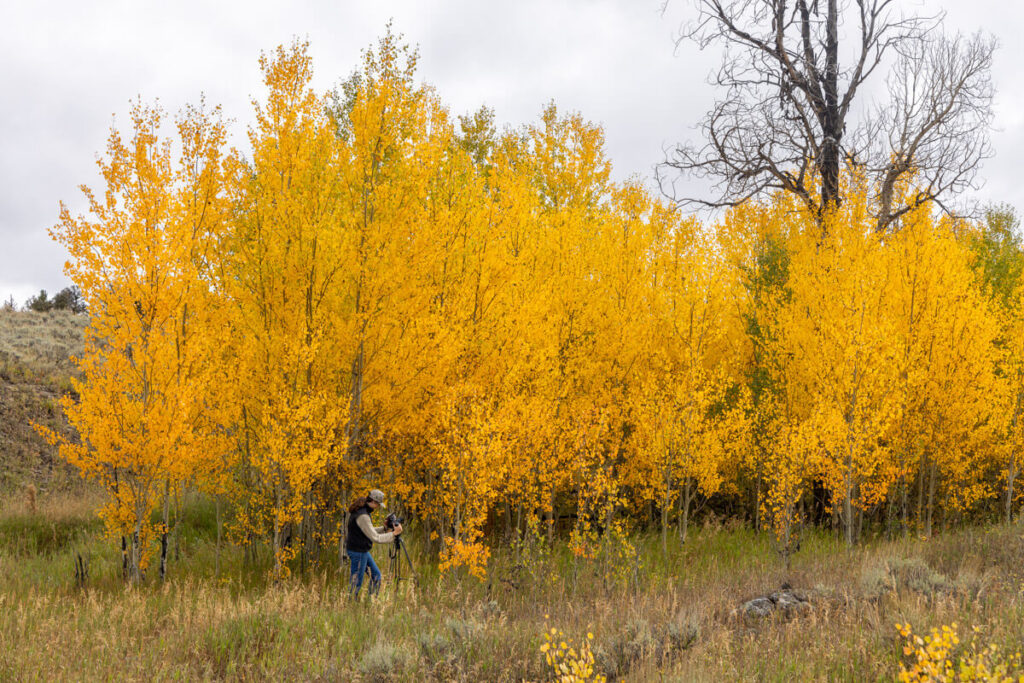
For those seeking a less-traveled route, Blacktail Plateau Drive provides an intimate fall experience. This six-mile dirt road traverses rolling grasslands dotted with aspens and willows that reach peak color in late September and early October.
Because the road sees relatively few visitors, it’s a peaceful place to enjoy autumn’s beauty while watching for elk, deer, and bison moving through the changing landscape.
YF / Matt Ludin
Yellowstone Lake: Reflections of Fall
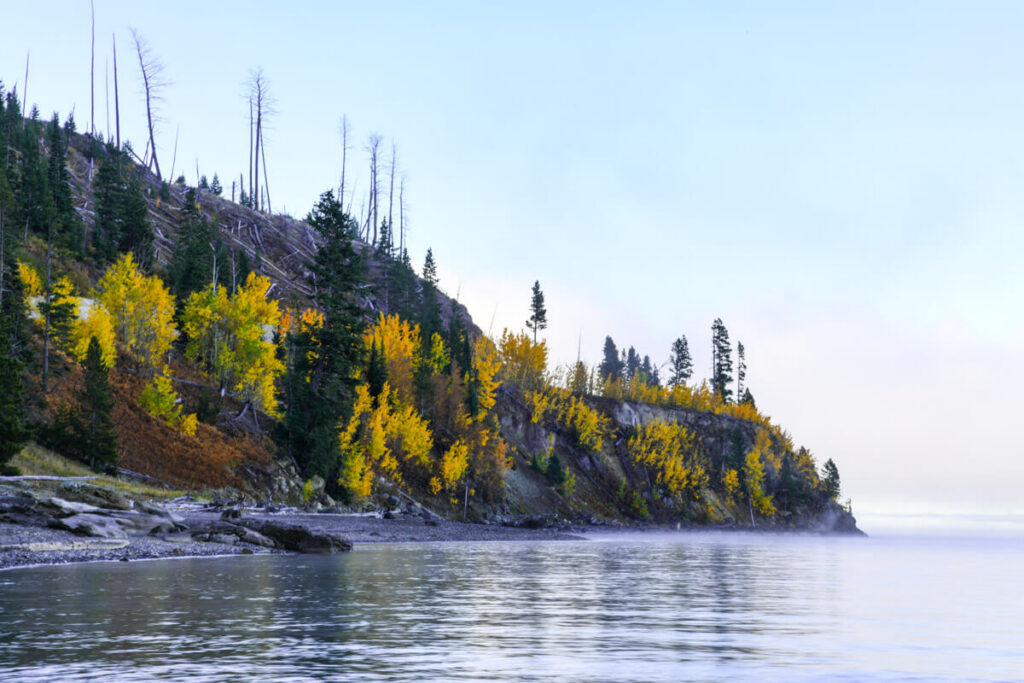
Yellowstone Lake offers a different perspective on autumn color. Stands of aspens and willow-lined shorelines add touches of gold around North America’s largest high-elevation lake.
On calm mornings, colorful trees and distant mountains reflect in the crystal-clear water, creating stunning photographic opportunities. The Lake Village and West Thumb areas are especially beautiful during the fall season.
YF / Amanda Evans
Madison River Area: Autumn Along the Water
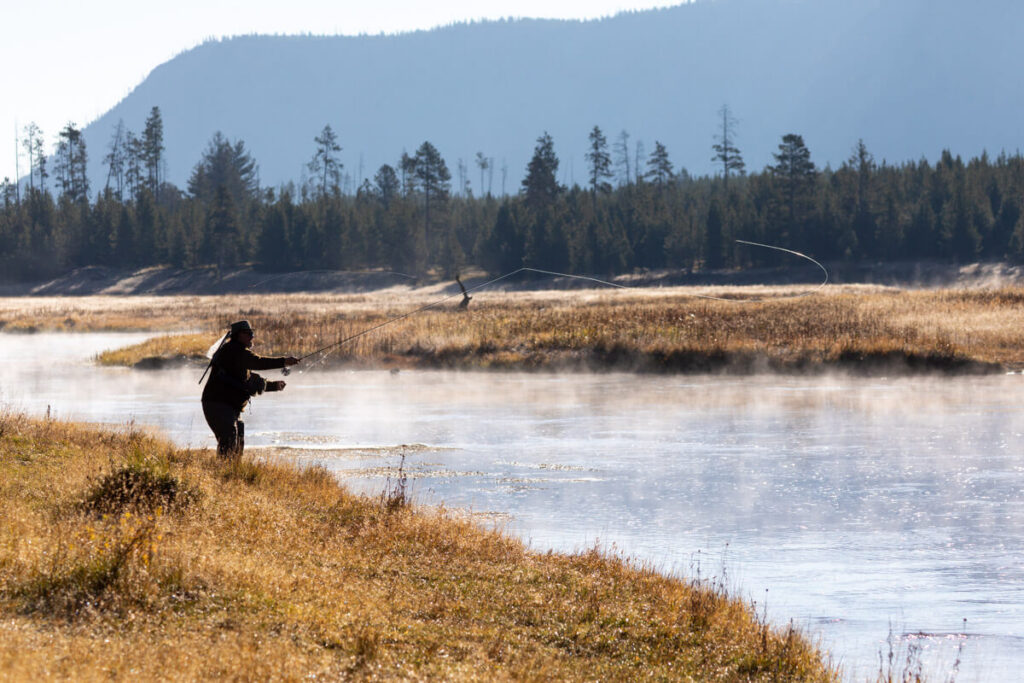
The Madison River corridor features pockets of willow, cottonwood, and aspen that brighten the riverbanks each autumn. As the morning fog lifts from the river, the vibrant foliage contrasts beautifully with the dark evergreen forests surrounding the valley.
This area is particularly scenic for anglers and photographers hoping to capture Yellowstone’s quieter side during the shoulder season.
YF / Matt Ludin
Bechler Region: Yellowstone’s Hidden Autumn Paradise
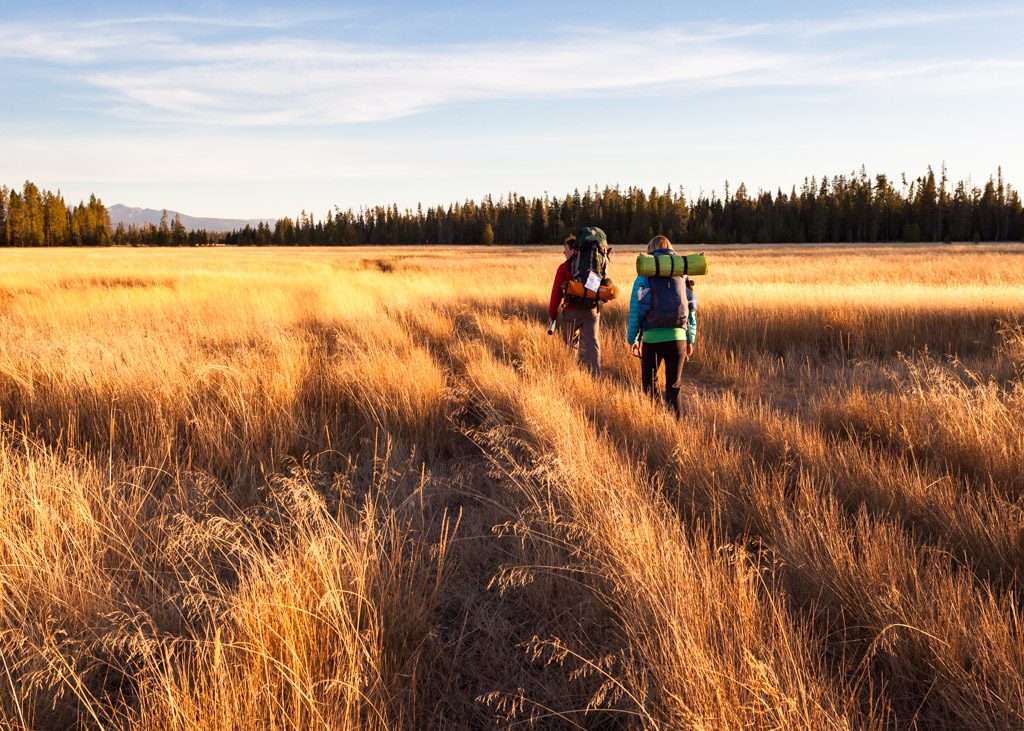
Located in the park’s southwest corner, the Bechler region receives fewer visitors than Yellowstone’s more famous destinations. Its meadows, wetlands, and forests feature colorful vegetation that peaks in early fall.
The combination of waterfalls, open meadows, and changing foliage creates a peaceful backcountry atmosphere ideal for hikers looking to experience Yellowstone beyond the main roads.
YF / Matt Ludin
Tips for Planning a Fall Colors Visit
- Peak color typically occurs from mid-September through early October, though timing varies with elevation and weather.
- Visit in the morning or late afternoon for the best lighting.
- Combine leaf-peeping with wildlife watching, as fall is one of Yellowstone’s most active seasons for elk, bison, bears, and wolves.
- Dress in layers. Autumn weather can range from warm sunshine to snow within a matter of hours.
- Carry a camera and binoculars to make the most of Yellowstone’s stunning seasonal displays.
Experience Yellowstone’s Golden Season
Fall in Yellowstone is a brief but spectacular season. Golden cottonwoods line river valleys, aspens brighten mountainsides, and wildlife activity reaches its annual peak. Whether you’re driving through Lamar Valley, exploring Mammoth Hot Springs, or watching the sun rise over Hayden Valley, Yellowstone’s autumn colors offer unforgettable opportunities to connect with the park’s wild beauty before winter arrives.
If you’re looking for a quieter, more colorful Yellowstone experience, fall may be the park’s best-kept secret.
Comments are closed.