DATES: JANUARY 24 – 28, 2027
PRICE: $TBD | TUITION & LODGING
LOCATION: LAMAR BUFFALO RANCH
GROUP SIZE: 12
ACTIVITY LEVEL: 2
PROGRAM INFORMATION
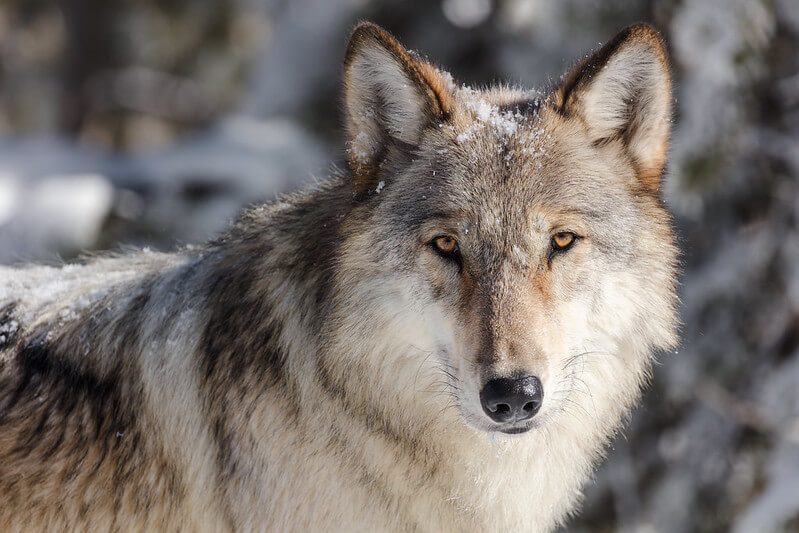
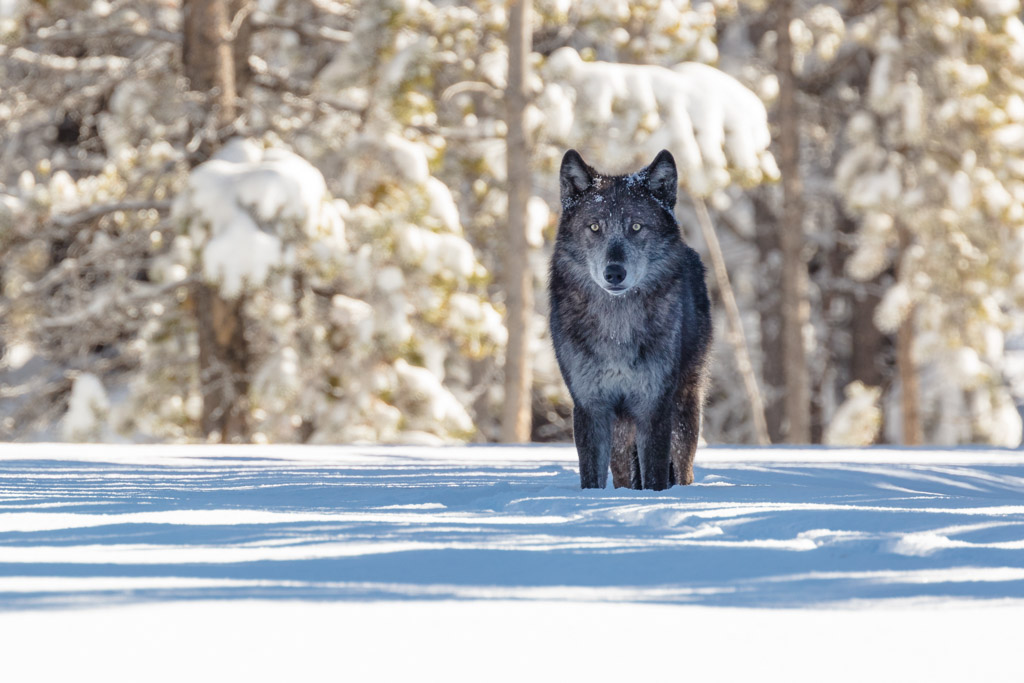
Sound shapes how animals experience the world. In this field seminar, participants explore bioacoustics through direct observation, field research, and guided discussion, with a focus on wolves and other wildlife of the Greater Yellowstone Ecosystem.
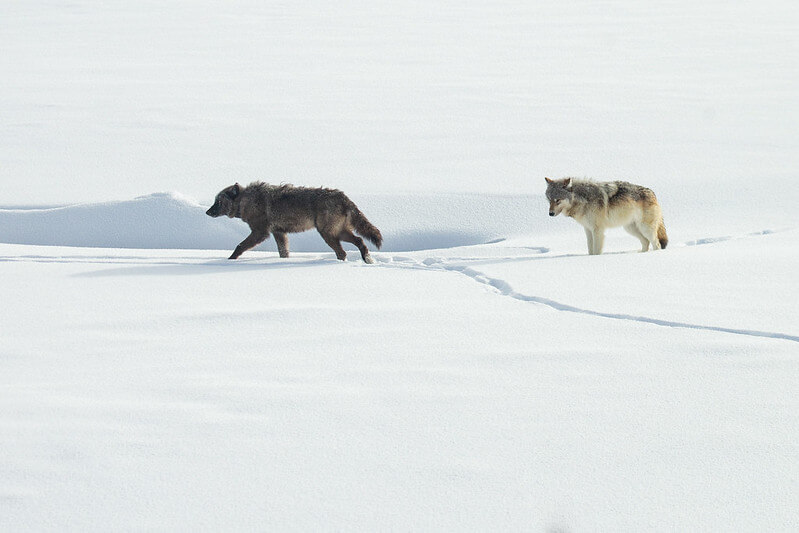
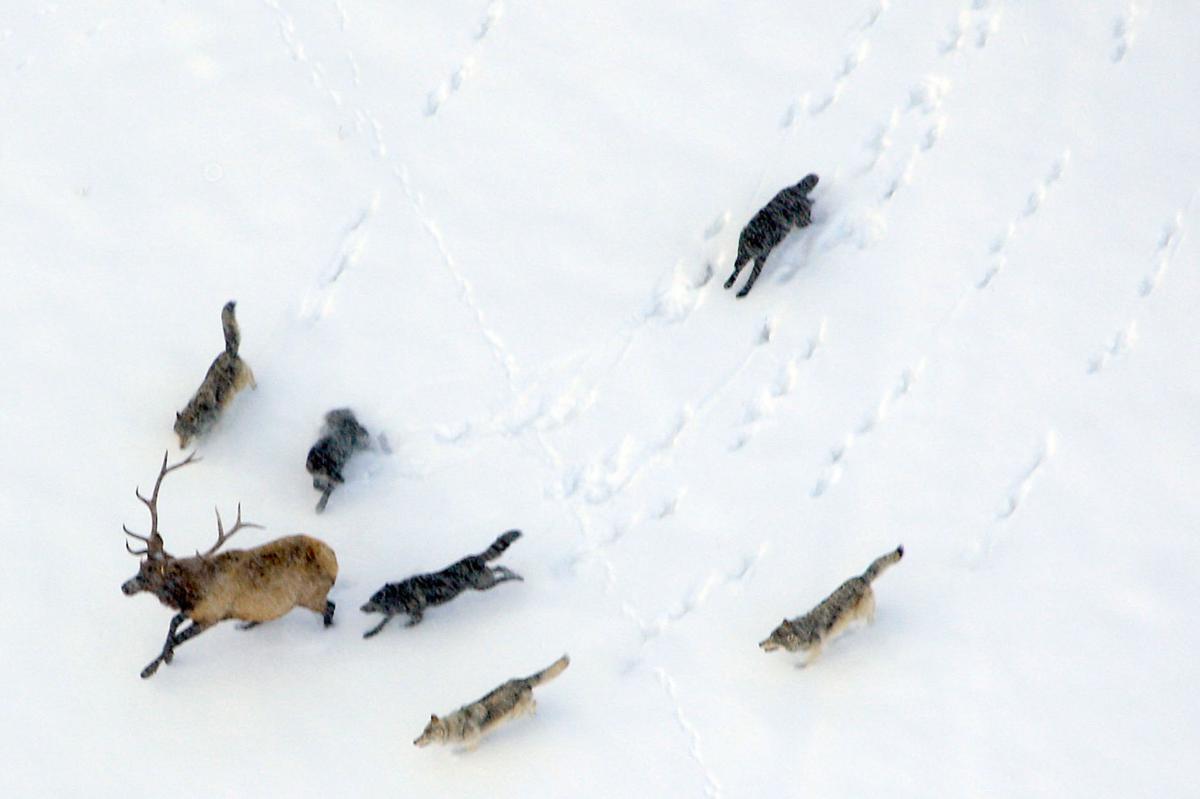
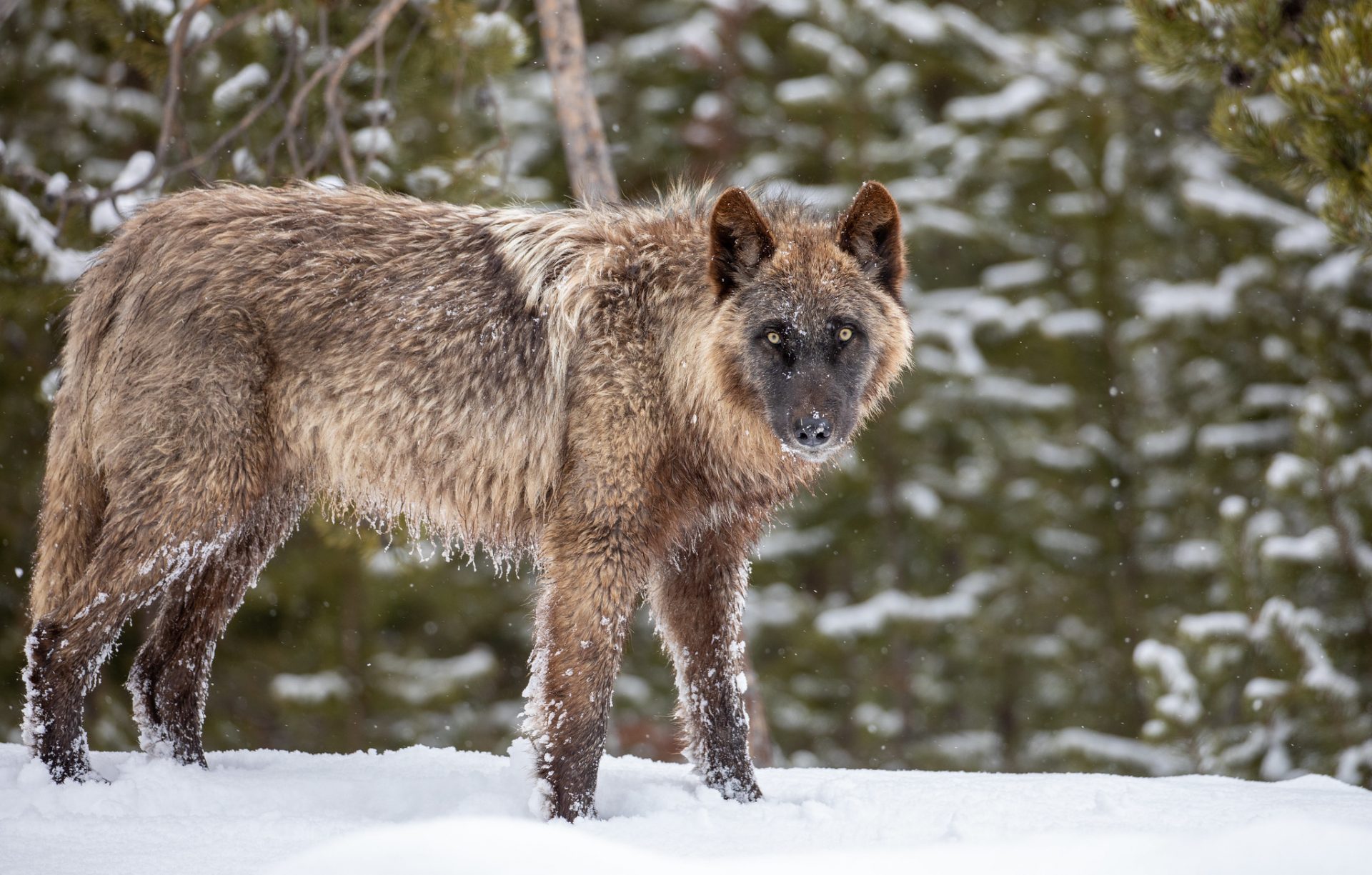
Throughout the seminar, participants will venture into the field to search for wolves and other wildlife, focusing on animal behavior, vocal communication, and bioacoustic research. As part of the Yellowstone Wolf Project’s ongoing bioacoustics studies, the group will explore how wolves and other species use sound to navigate their world, coordinate as a pack, and interact with their environment.
Fieldwork is paired with classroom learning at Lamar Buffalo Ranch, including a lecture with Dr. Jeff Reed, whose work focuses on animal communication and bioacoustics in the Greater Yellowstone Ecosystem. Dr. Reed will provide expert insights into the science of bioacoustics and its growing role in wildlife research and conservation.
Additional field experiences may include:
– A guided natural history snowshoe trek, looking for wildlife sign while experiencing Yellowstone’s vast and dynamic soundscape.
– An early evening wildlife observation drive, conditions permitting, to listen for and observe animal vocalizations in different settings.
Evenings will feature films, bioacoustic case studies, and group discussions, providing a deeper understanding of how sound recording and analysis contribute to the study and protection of wildlife.
Specific topics to be covered include:
1. Understand how animals use sound (vibrations) and other sensory channels to share information.
2. Identify different wolf vocalizations and their meanings, from howls to growls and beyond.
3. Learn to use affordable recording equipment to capture and interpret the sounds of animals in your own environment.
Dates & Times: The program begins at 7:00 p.m. on Sunday, January 24, 2027, and goes through Wednesday, January 27, 2027 at 5:00 p.m.
Lodging Check-in & Check-out: Lodging check-in begins at 4:00 p.m. on Saturday, January 24, 2027, and lodging check-out is at 9:00 a.m. on Thursday, January 28, 2027.
Meals: This course is not catered. Participants will need to bring their own food; lunch should be able to travel in the field.
Optional Airport Shuttle: We provide an optional airport shuttle for those interested. The shuttle service is provided on the first day of the program with a 1:00 p.m. pickup and the last day of the program with a departure from the Lamar Buffalo Ranch at 8:00 a.m.
1st Day of Program | Shuttle Pickup Location: Bozeman Yellowstone International Airport
1st Day of Program | Shuttle Drop off Location: Lamar Buffalo Ranch
Check-out Day | Shuttle Pickup Location: Lamar Buffalo Ranch
Check-out Day | Shuttle Departure Location: Bozeman Yellowstone International Airport
If you opt-in to the shuttle service, please ensure that your flight booking will allow for you to be picked up and dropped off during the above timeframes.
Whom to Contact: For any questions, concerns, or additional information please contact the following:
Program itinerary, health forms, payment, and general program questions please contact Yellowstone Forever at [email protected] or 406-848-2400 extension 3
Road updates, park conditions, and general park information please contact Yellowstone National Park Service at https://www.nps.gov/yell/contacts.htm
If running late for a program, please contact 406-641-2185.
General Information: For general information about the facilities, preparation for classes, what to expect, cancellation policies, and more, please see the Lamar Buffalo Ranch – Winter General Information document.
DAY 1
WELCOME & ORIENTATION
The program begins with an evening orientation where participants will have the opportunity to get acquainted and learn about the program. During this session, we’ll review the itinerary, introduce key seminar concepts, and provide guidance on what to pack for the field each day.
DAYS 2 – 4
LEARNING WOLFISH
Each morning, participants will venture into the field to search for wolves and other wildlife, focusing on animal behavior, vocal communication, and bioacoustic research. As part of the Yellowstone Wolf Project’s ongoing bioacoustics studies, the group will explore how wolves and other species use sound to navigate their world, coordinate as a pack, and interact with their environment.
After a morning of fieldwork, participants will return to Lamar Buffalo Ranch for a late lunch, followed by a lecture with Dr. Jeff Reed, who will provide expert insights into the science of bioacoustics and its role in wildlife conservation.
In the afternoons, students will have the option to:
- Join a guided natural history snowshoe trek, looking for wildlife sign while experiencing Yellowstone’s vast and dynamic soundscape.
- Participate in an early evening wildlife observation drive, conditions permitting, to listen for and observe animal vocalizations in different settings.
Evenings will feature films, bioacoustic case studies, and group discussions, providing a deeper understanding of how sound recording and analysis contribute to the study and protection of wildlife.
DAY 5
CHECKOUT & DEPARTURE
ACTIVITY LEVEL 2
- Be prepared for hikes on snow-packed trails, or snowshoe or ski trips, up to 3 miles per day with climbs up to 250 feet.
- Most activities will take place at elevations between 7,200 to 8,000 feet. Participants residing at lower elevations may want to arrive a day early to adjust to the altitude.
- To learn more about how specific medical conditions can be affected by Yellowstone’s environment and our activities, please visit our site page on health information.
- All field activities will be conducted as a group. If members of the group cannot participate in the day’s activities, they need to let the educator know in advance.
- To participate in this program, each participant must fill out and sign a health questionnaire and assumption of risk waiver. These forms must be completed and returned at least 30 days prior to the program start date.
Whom to Contact: For any questions, concerns, or additional information please contact the following:
Program itinerary, health forms, payment, and general program questions please contact Yellowstone Forever at [email protected] or 406-848-2400 extension 3
Road updates, park conditions, and general park information please contact Yellowstone National Park Service at https://www.nps.gov/yell/contacts.htm
If running late for a program, please contact 406-641-2185.
General Information: For general information about the facilities, preparation for classes, what to expect, cancellation policies, and more, please see the Lamar Buffalo Ranch – Winter General Information document.
“Amanda Evans and the entire staff at the Lamar Ranch kept everything running so smoothly and with extraordinary care, grace, kindness, consideration and expertise.
Amanda is a fabulous naturalist and story teller!” – Christine, VA
“Bravo. Well done.” – Keith, NY
None required, but welcome to bring a laptop for spectrogram analysis.
Bakker, K. J. (2024). The sounds of life: How digital technology is bringing US closer to the worlds of animals and plants. Princeton University Press.
McIntyre, R. (2025). Thinking Like a Wolf: Lessons from the Yellowstone Packs. Greystone Books.
BOOK THIS FIELD SEMINAR NOW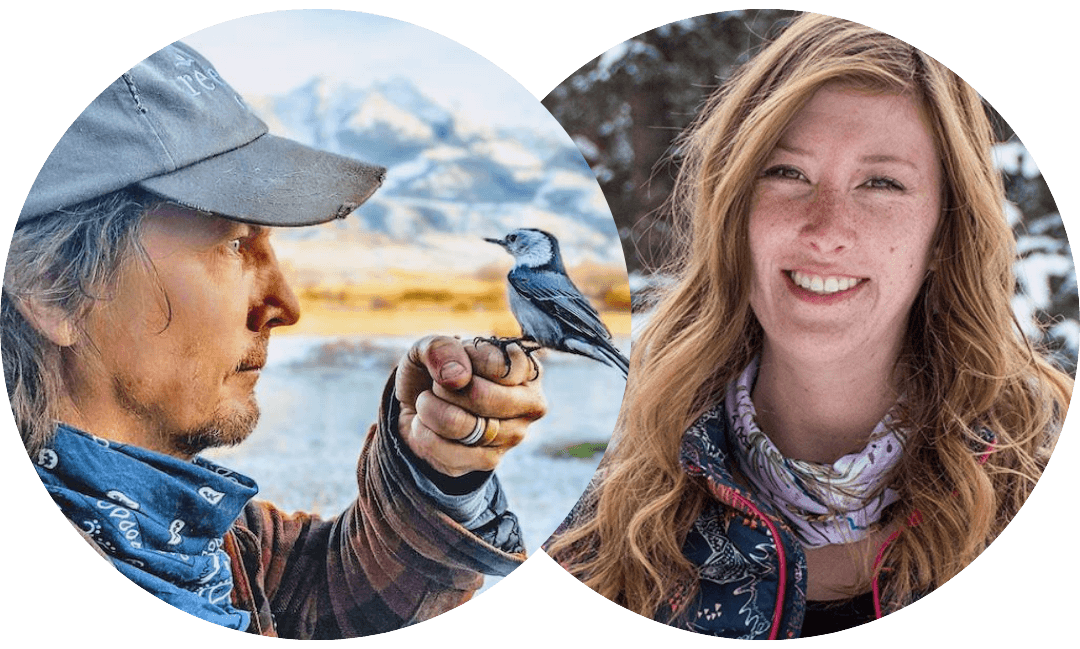
Jeff Reed, Ph.D.
Amanda Evans | Lead Field Educator
Jeff Reed, Ph.D. was born and raised in the Greater Yellowstone Ecosystem in southwest Montana and owns Reedfly Farm, practicing regenerative agriculture and conservation. With a PhD in linguistics and history, he has published on the history of language and humans. He spent 30 years in the technology industry, working on linguistics and artificial intelligence, and now builds solutions that are used by wildlife researchers. He focuses much of his free time interacting with wildlife, practicing paleo-living, researching animal communication via computational linguistics, and living as part of nature. He is an executive committee member of the Upper Yellowstone Watershed Group, promoting the co-existence of people and wildlife…though he considers people wildlife too!
Amanda Evans | Lead Field Educator
Amanda Evans brings extensive experience in wildlife and outdoor education across a variety of ecosystems, rooted in a lifelong passion for wildlife. She has lived and worked on the edge of Yellowstone for the past six years, deepening her understanding of the park’s landscapes and wildlife. Amanda believes that it is through firsthand experience with the natural world that people build the strongest connections to it. Her goal is to use education to foster the same appreciation she feels and to inspire others to preserve and protect nature in all spaces.