by Alyssa McGeeley, YF Tribal Engagement Manager
Yellowstone National Park has become a home for me in more ways than one. My journey began with two summers at Old Faithful, where I served as the Yellowstone Tribal Heritage Center Coordinator. As an Indigenous woman, I feel a deep connection to this land—one that extends beyond its physical beauty. It is a living link to the first peoples who called this place home.
Early accounts of the area described it as untouched, never inhabited, wild and unseen by human eyes. Those accounts were incorrect. Indigenous peoples have explored, traversed, and inhabited the land long before European explorers arrived. The first peoples are the ancestors of Indigenous people that make up the Native Nations associated with Yellowstone today, and they have continued their deep connection with all things living over multiple generations.
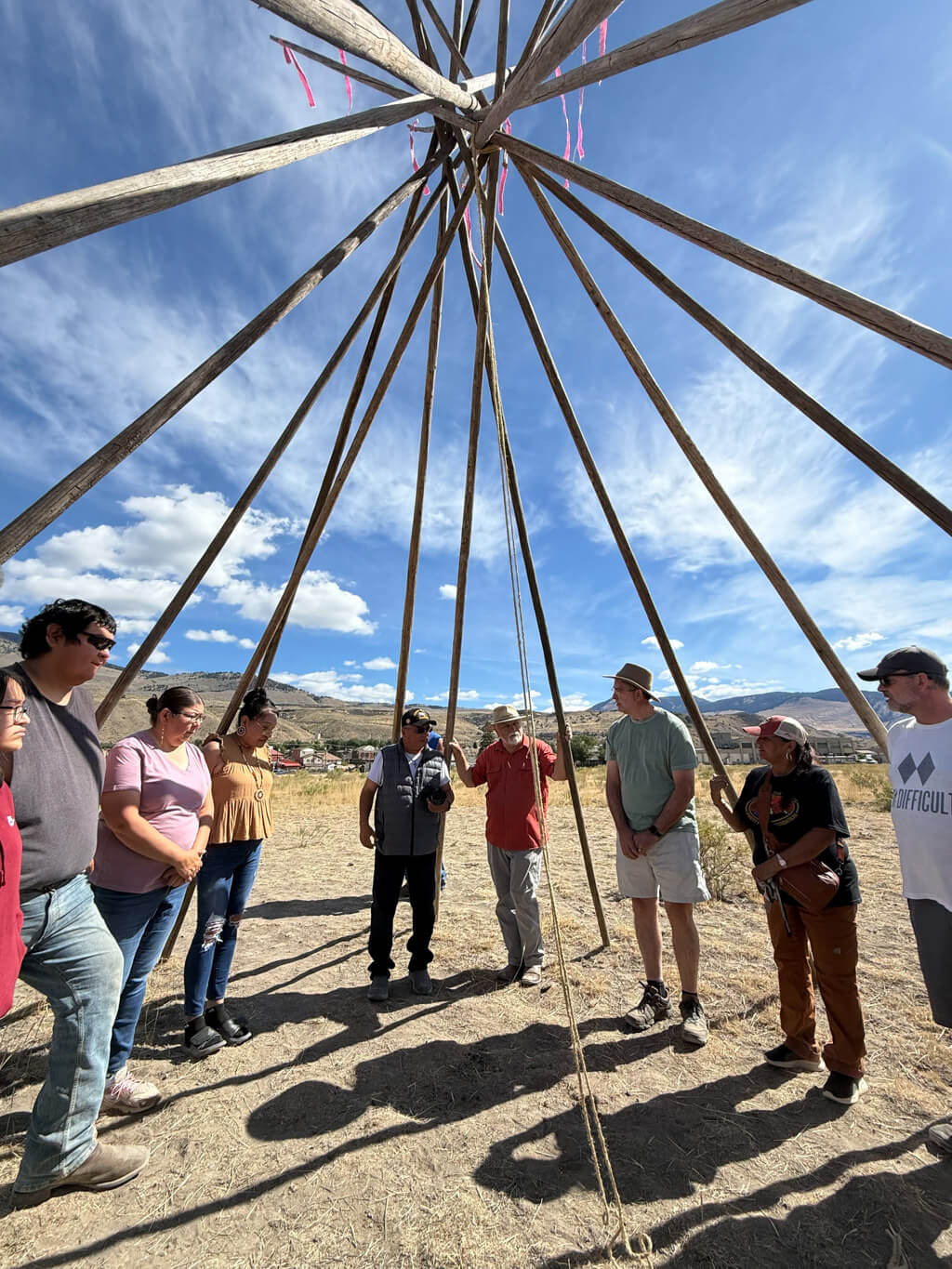
Raising teepees at the annual Voices of Yellowstone event in Gardiner, MT at Yellowstone’s North Entrance.
For many Indigenous people Yellowstone is their beginning, their home. This deep relationship is the connection to the hearts of all things living. Building relationships happens over time and you find that in the concept known as Traditional Ecological Knowledge (TEK). TEK is the knowledge accrued over time based on the long-standing relationship with land, water, animals, and seasons then passed down through generations. Tribal ancestors did not wander through the region without reason, but with purpose gained through TEK creating patterns, cycles, and teachings.
A connection to TEK is how we shop for plants or food in season, hunt at specific times of year, and stock up ahead of big events or disasters. Indigenous people have calendars with times to gather plants for food, medicines, and hunting. These cycles have continued beyond land dispossession, or displacement carried over time in families, ceremonies, and stories.
Yellowstone has seen times when there were limited people across the park leaving many spaces with no people, like the flood of 2022 and when the park was first conceived. The landscape did not change as the animals do not cease because the humans are not there. Life continues across the land, and the bison offer lessons that connect with the teachings passed down through TEK.
Bison are central to many Tribes and hold the designation of national mammal of the United States. As they move across the land their hooves aerate the land, they carry and displace seeds either through their digestion or by carrying in their fur. They graze in a way that is not destructive and supports plant recovery. The influence of bison reaches beyond their presence on the land. They provide food, clothing, shelter, and tools. Our relationship with bison is woven through our culture.
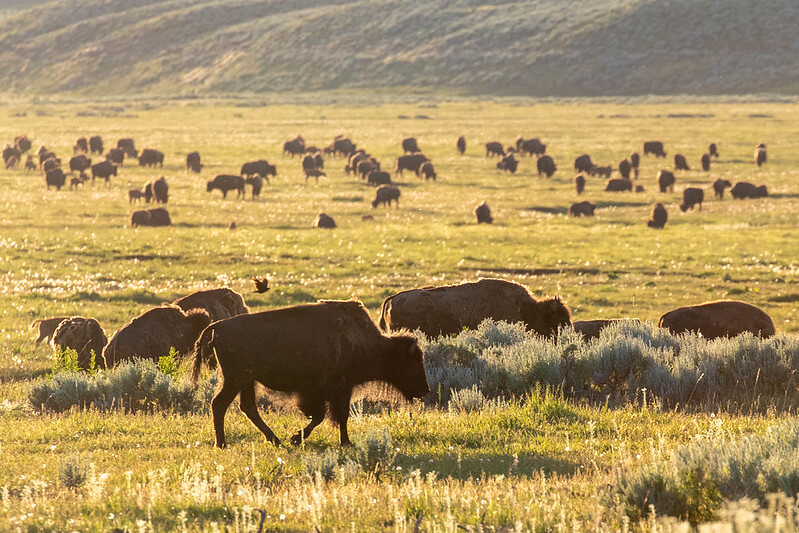 Bison were almost lost to us when their numbers fell to near extinction levels in the early 1900s. For decades wild bison lived only in Yellowstone, but today they can be found many places in the United States. Through Yellowstone’s Bison Conservation & Transfer Program after a multi-year quarantine process, bison are safely transferred to Tribes in partnership with the InterTribal Buffalo Council. Each transfer is a reminder of resilience—of how a species and the people connected to it can carry one another forward.
There is much to learn from relationships with land and life—lessons in appreciation, intention, and responsibility. Like the bison’s countless ways of impact, we have many ways as park visitors we leave an impact figuratively in how we carry ourselves, physically in how we consume or waste, and in the lessons we pass to others. May future generations—Tribal and non-Tribal—find a sense of home in Yellowstone and continue the legacy of care, connection, and respect passed by the first peoples and bison.
Learn more about Yellowstone Forever’s efforts to support Tribal Engagement in Yellowstone.
Featured image:
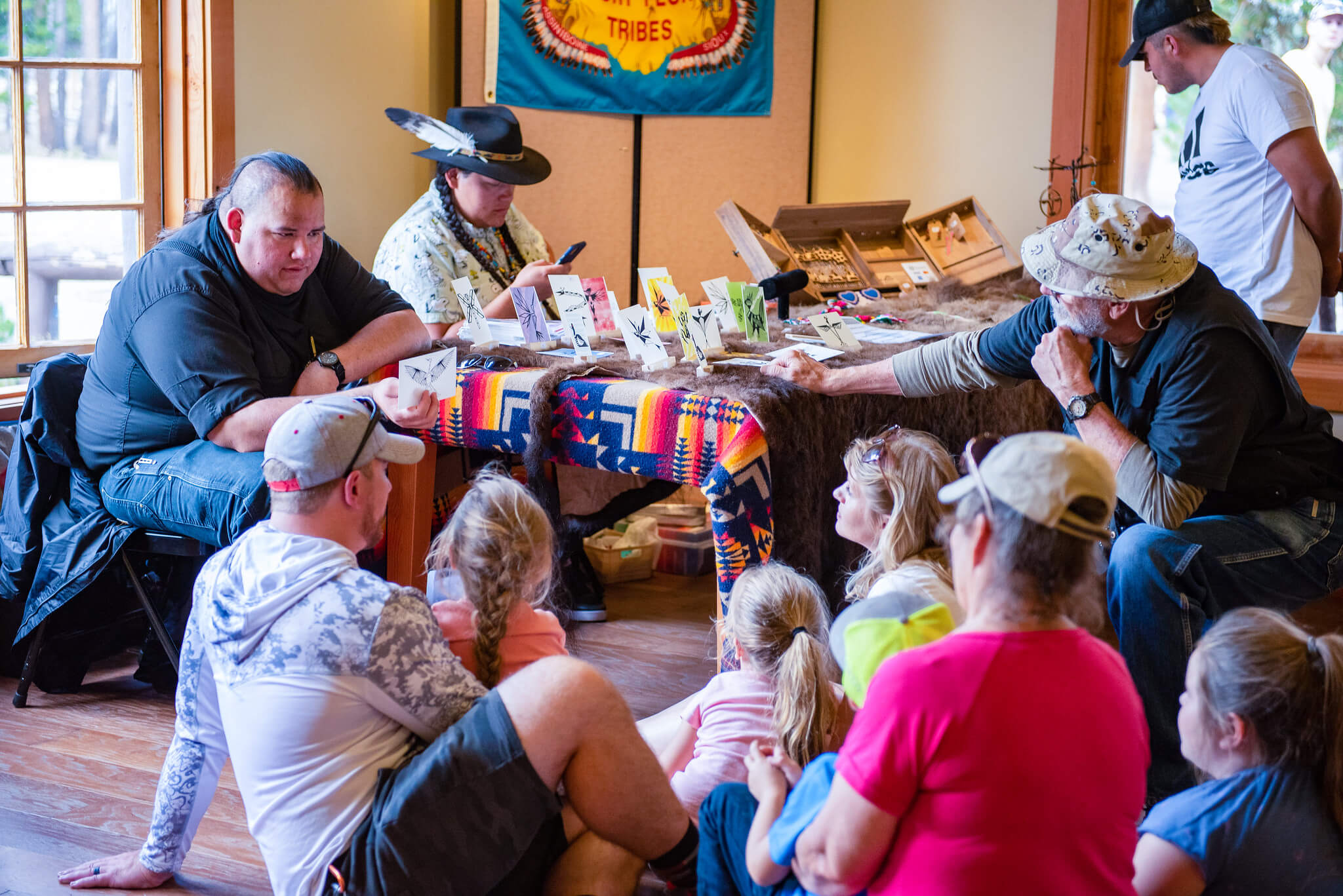
Joseph and Mason Runs Through engaging with visitors during their time presenting at Yellowstone Tribal Heritage Center
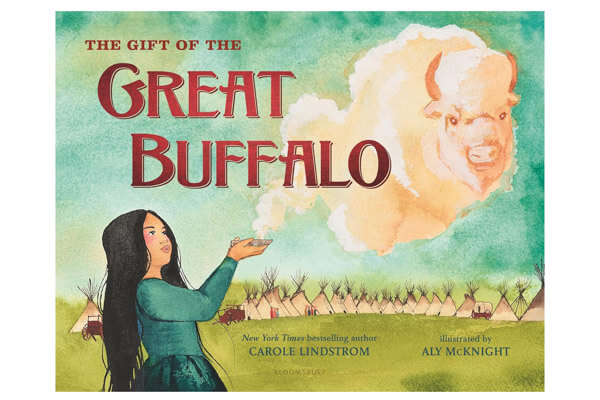
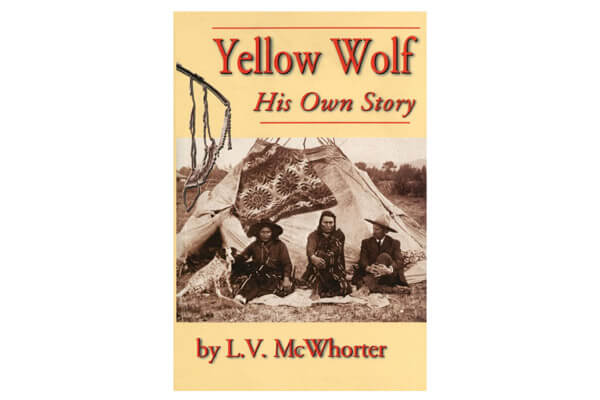
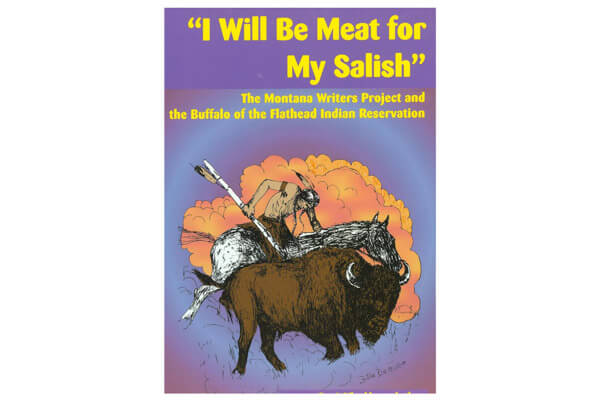
Native American Books | Yellowstone Forever Park Store
All purchases help support critical projects and programs in Yellowstone National Park

Comments are closed.