DATES: JUNE 11 – 15, 2026
TUITION & LODGING: $999
LOCATION: LAMAR BUFFALO RANCH
GROUP SIZE: 11
PROGRAM INFORMATION
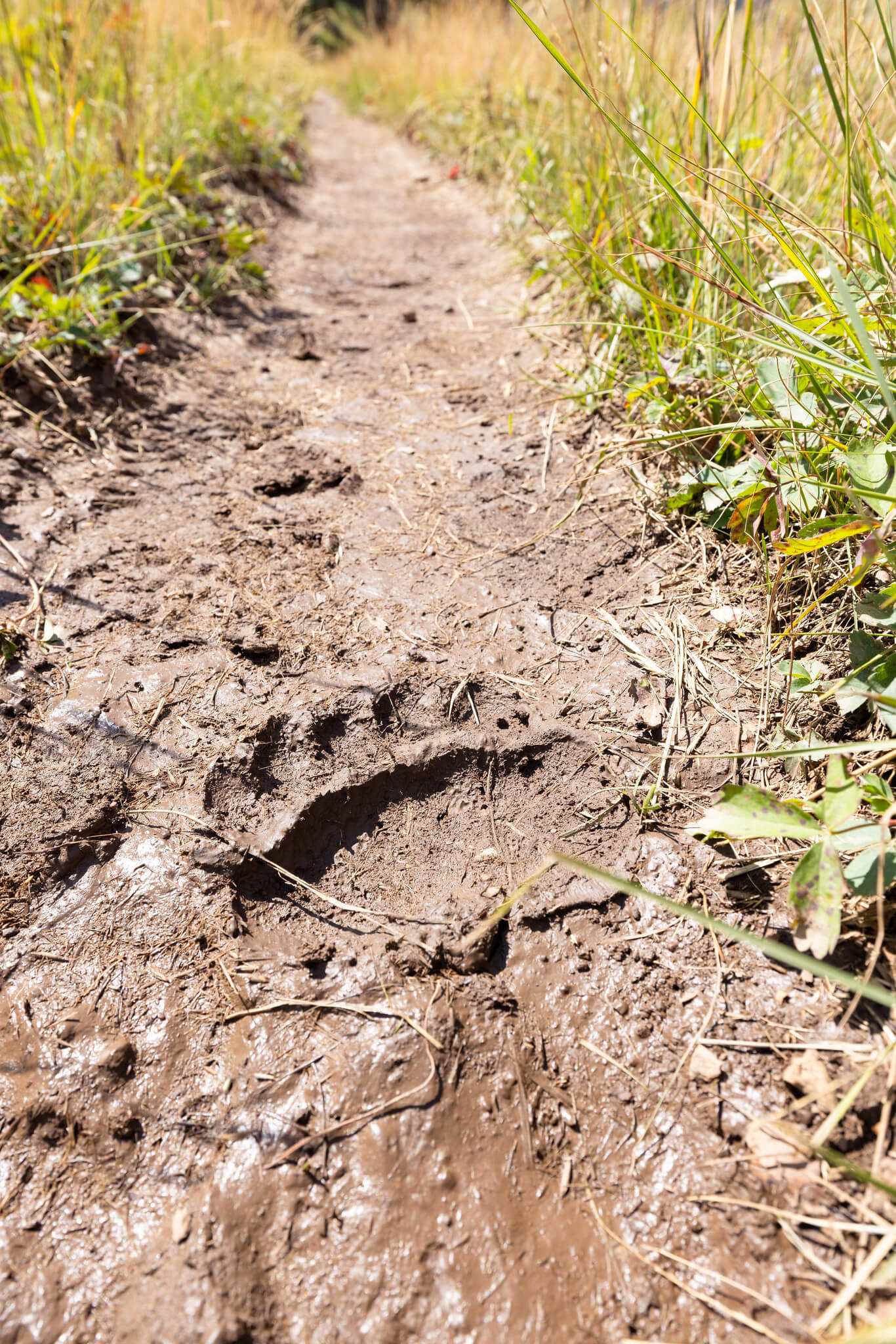
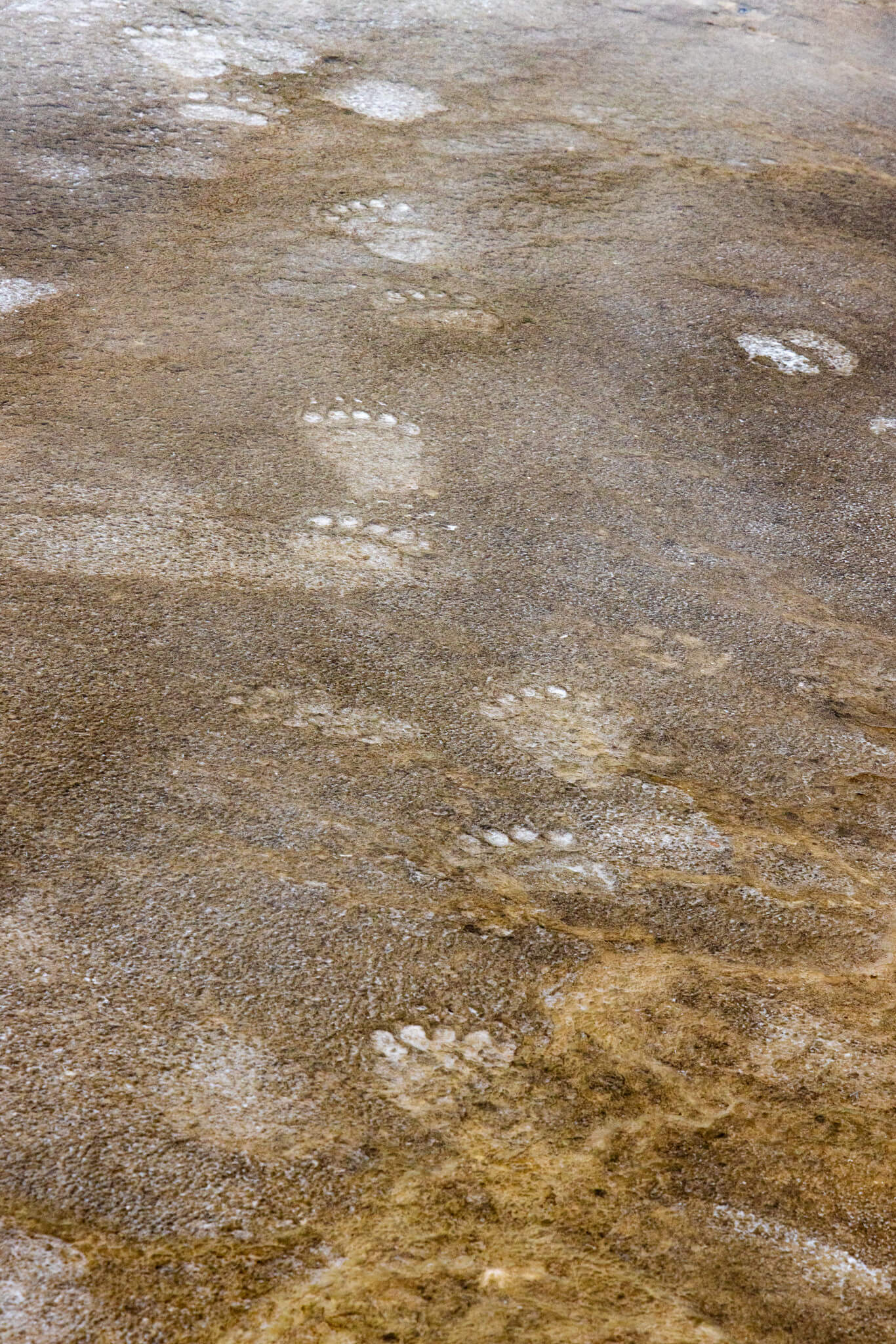
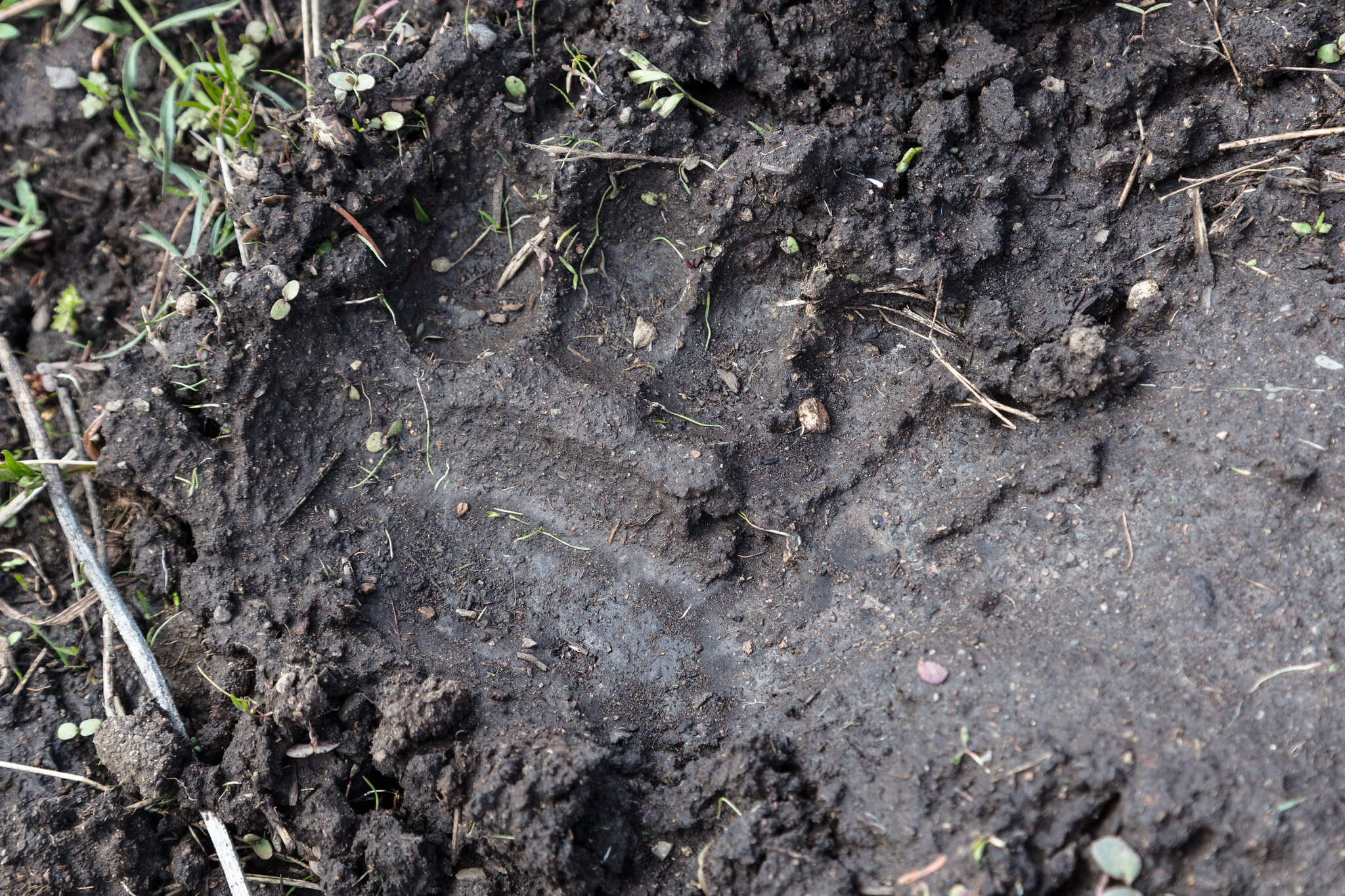
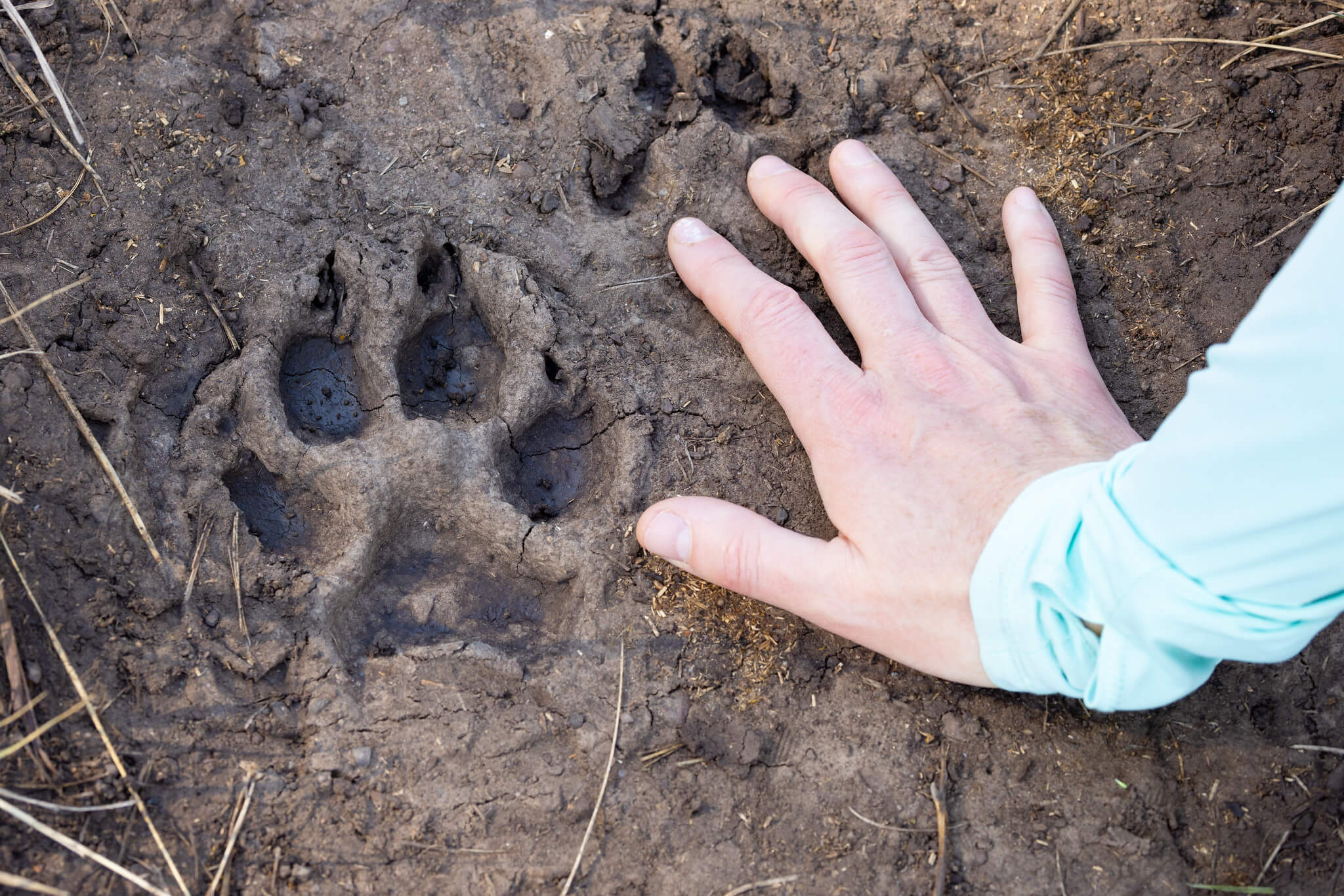
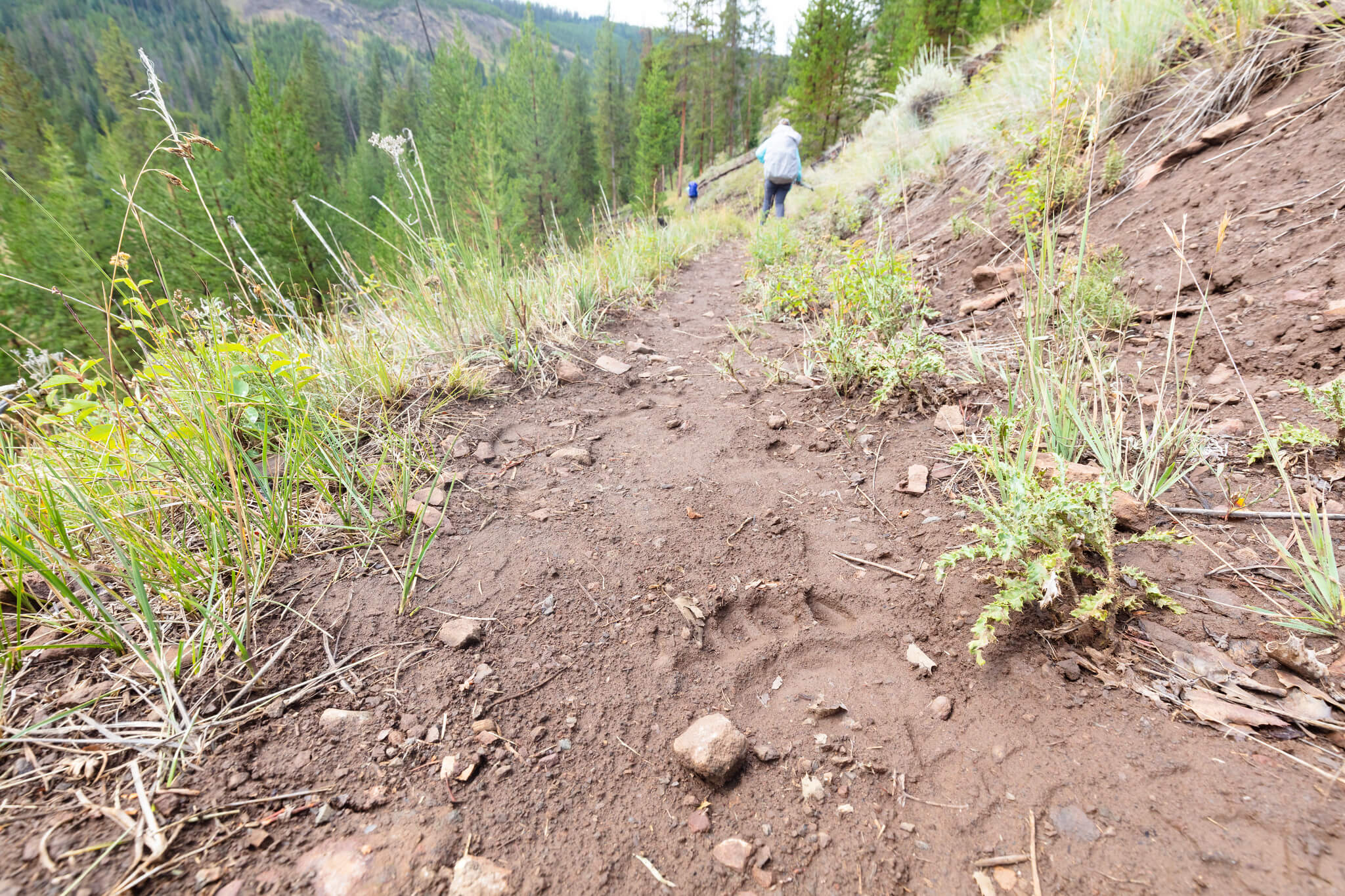
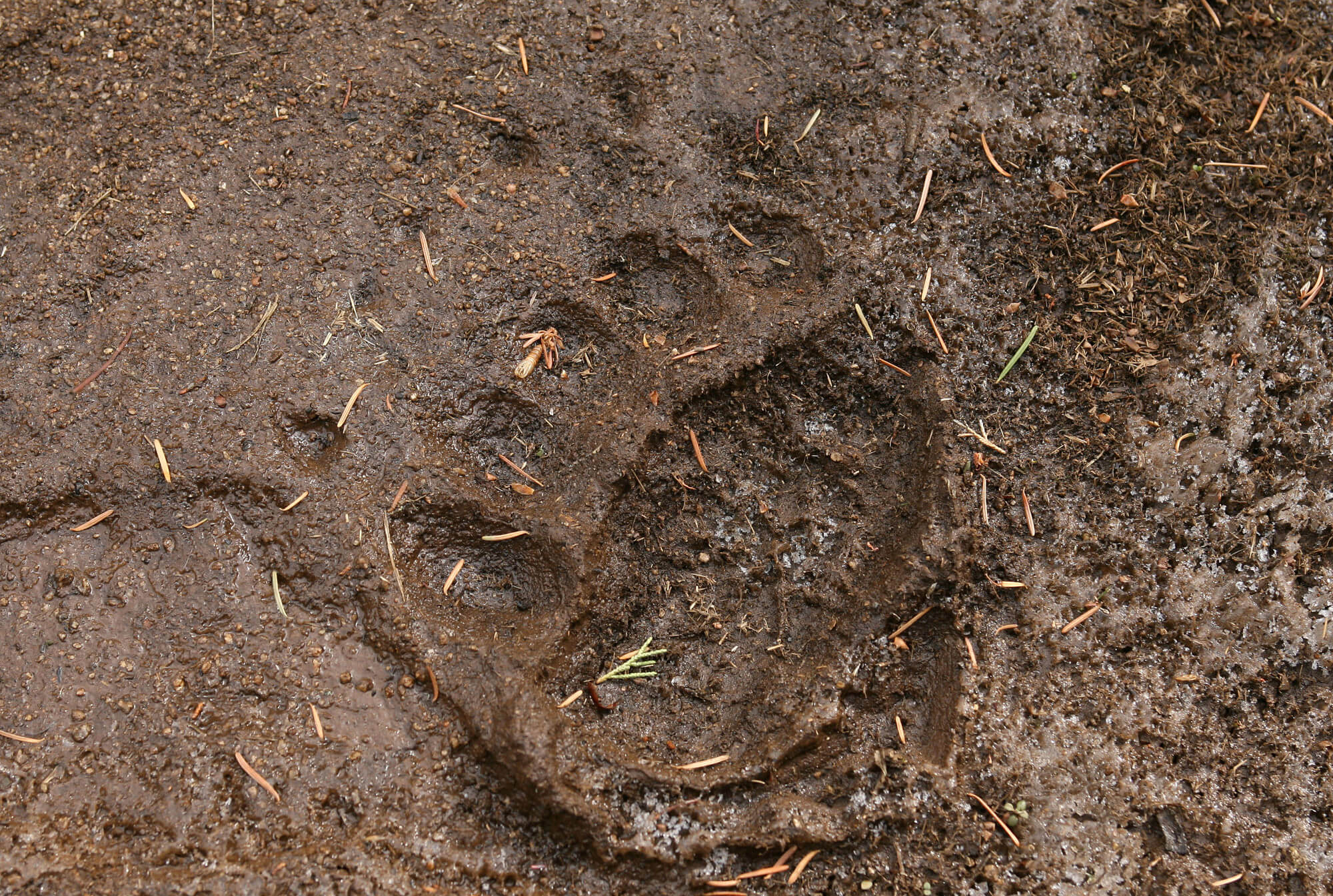
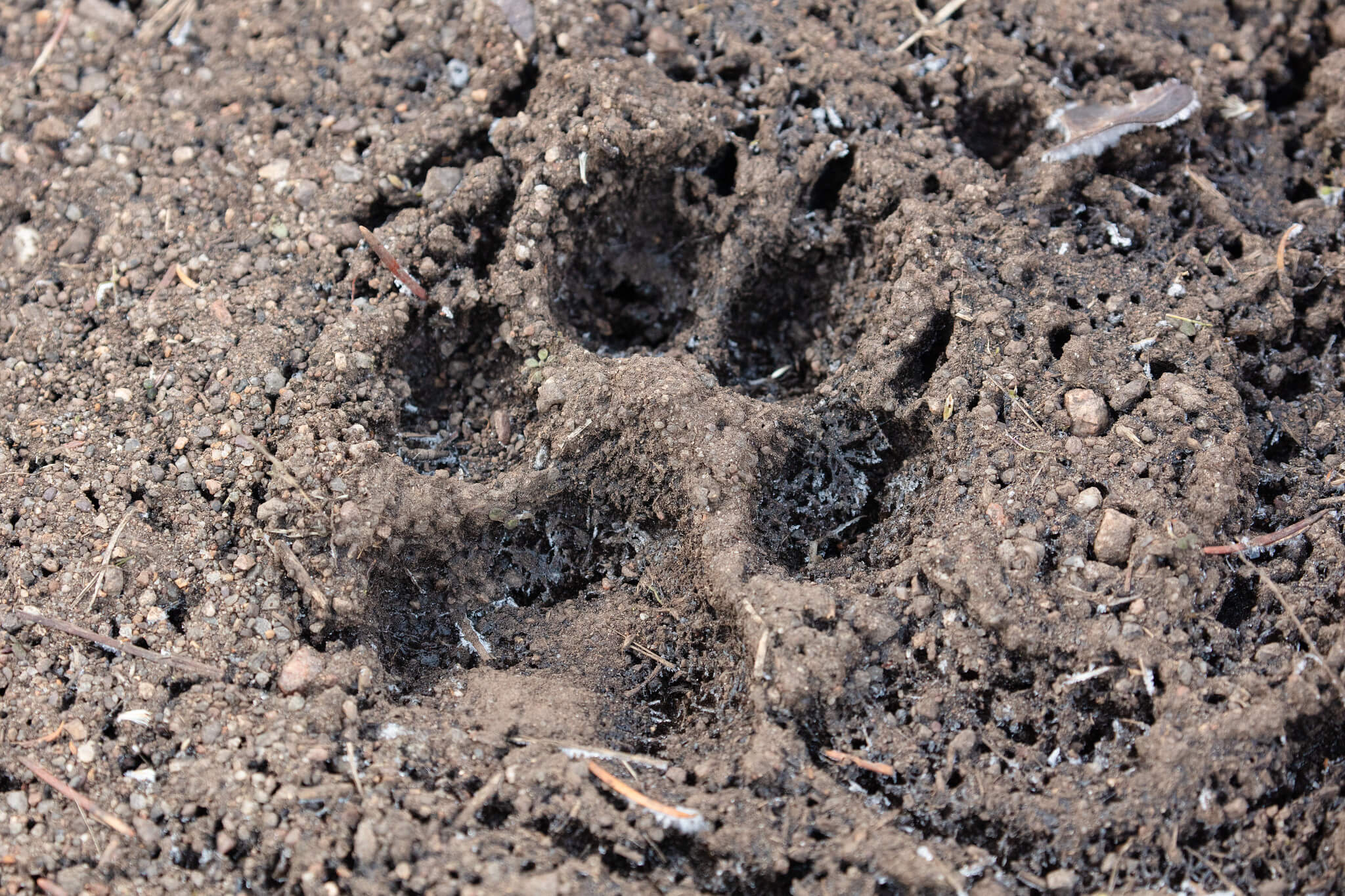
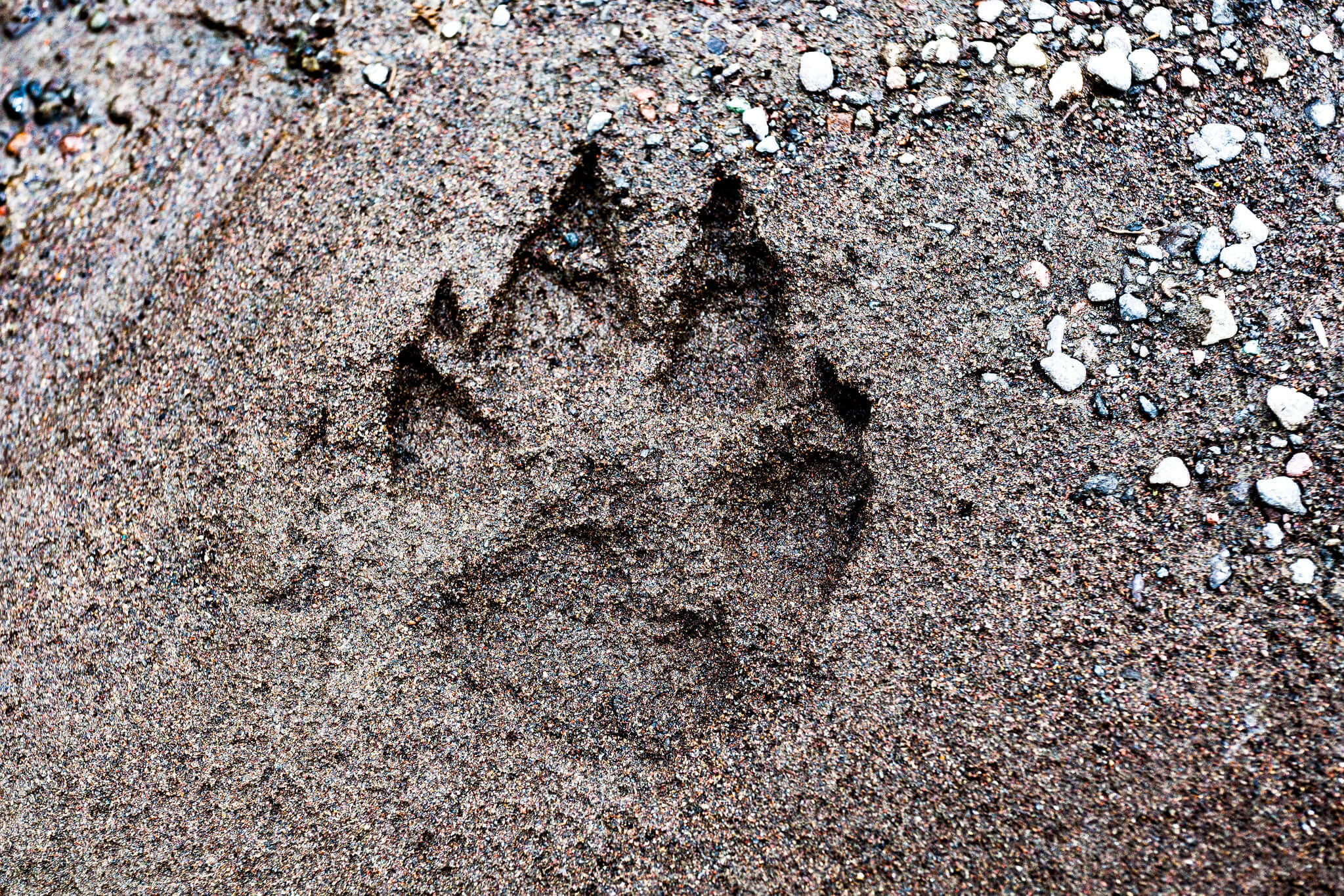
Deepen your awareness of wildlife activity on the landscape by reading the stories left by tracks and sign. This program serves as both a training and a certification program, with an opportunity to earn a Level I through Level IV (Professional) Track & Sign Certificate from CyberTracker North America.
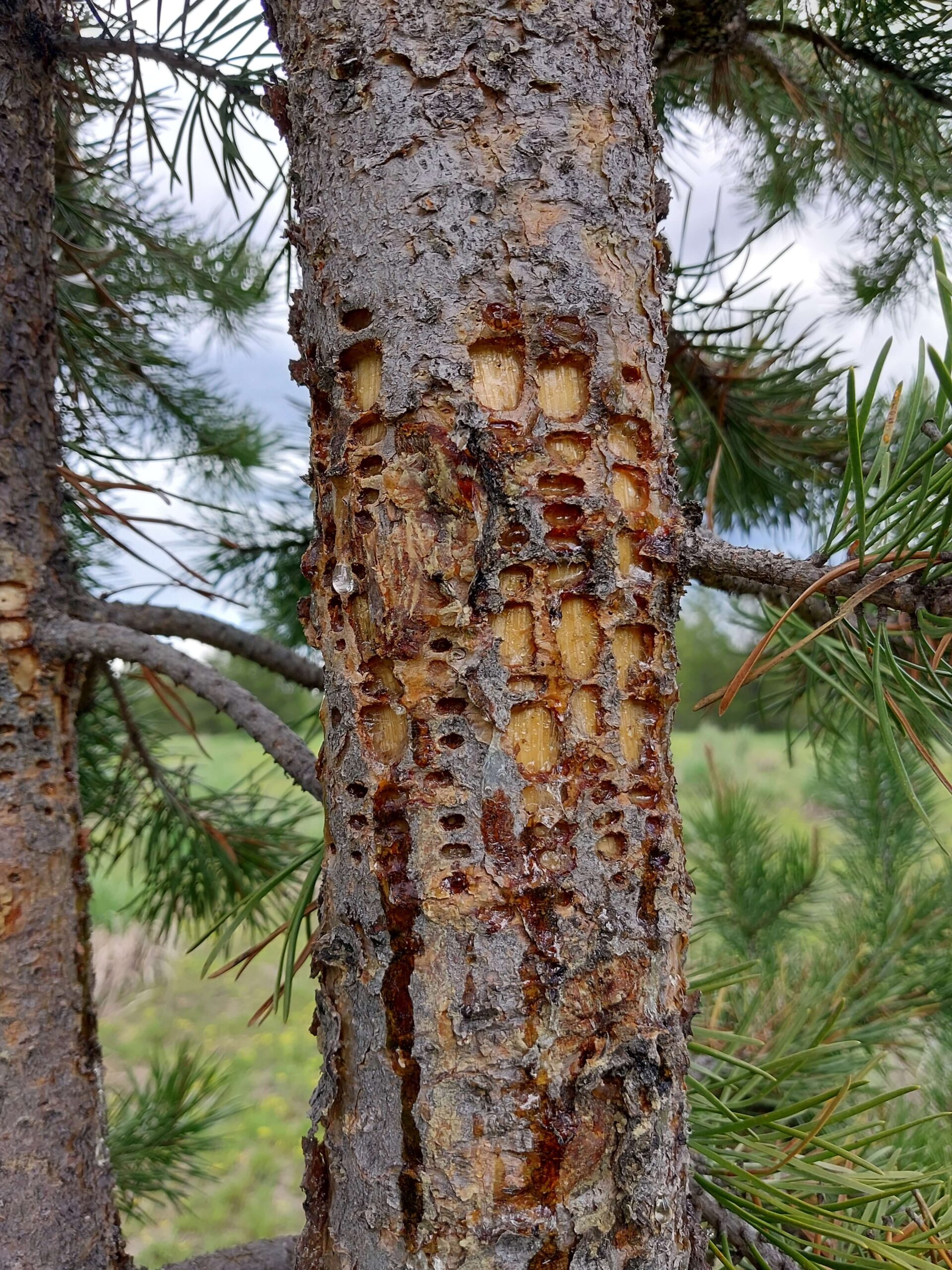
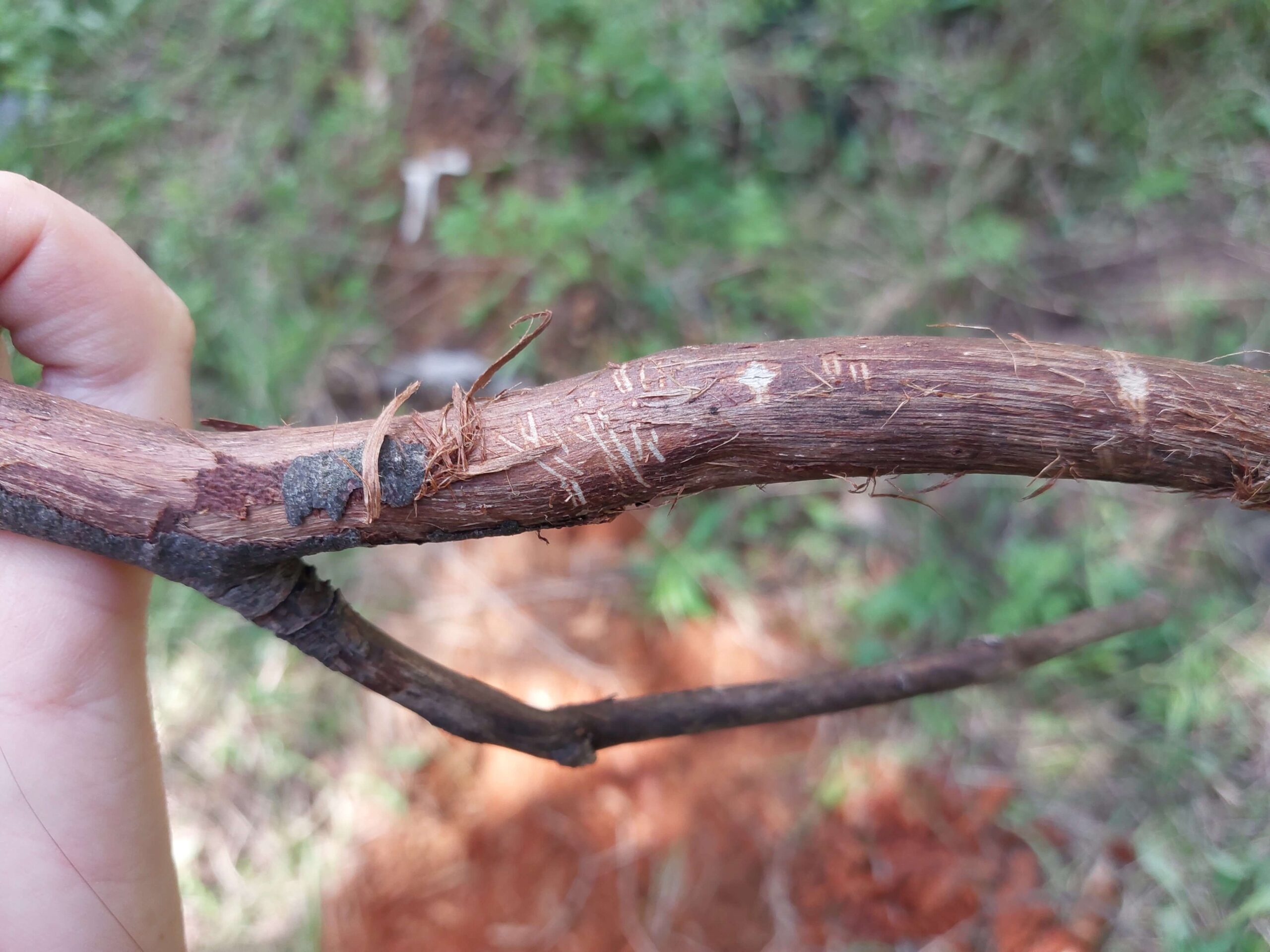
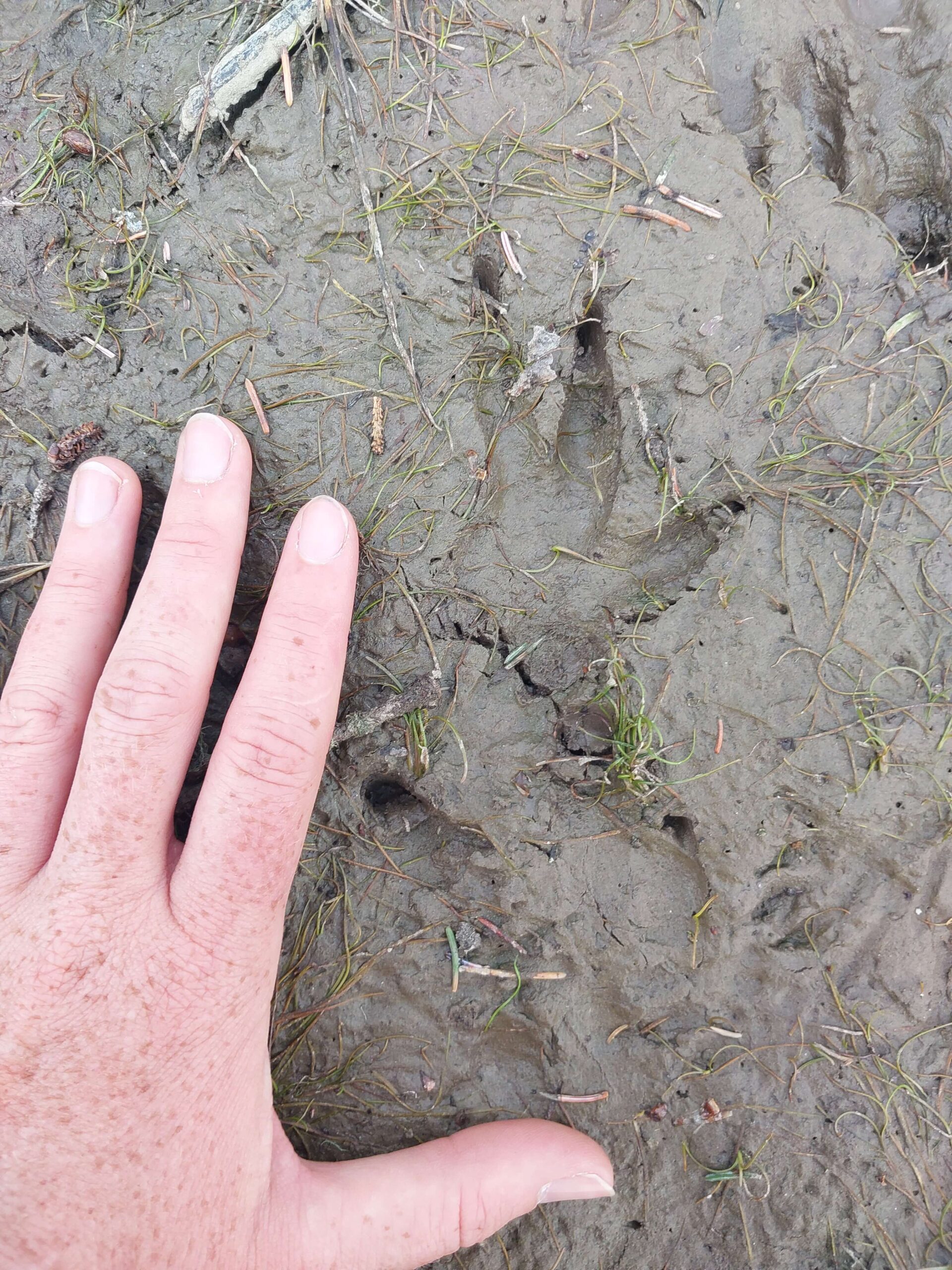
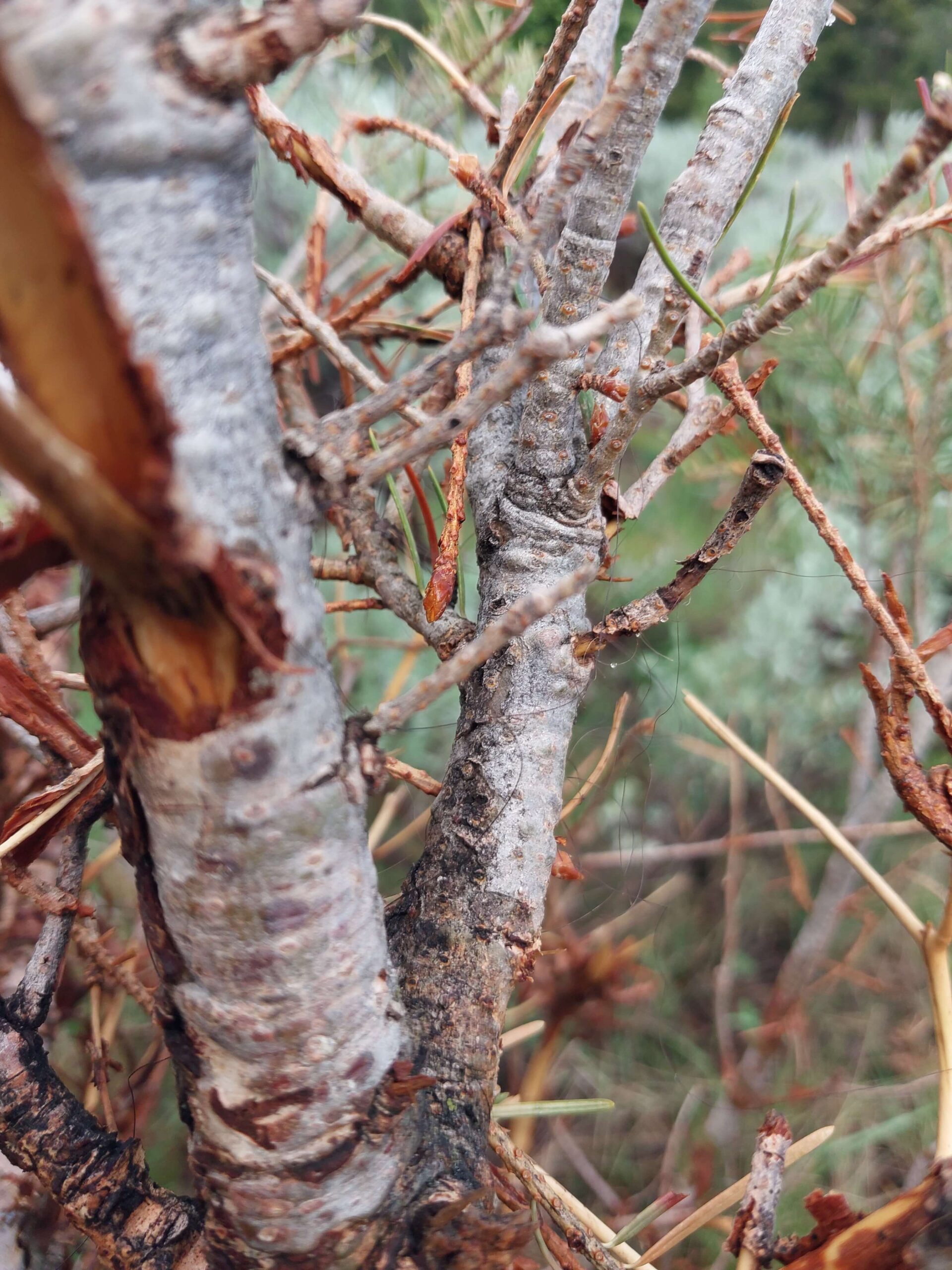
During the certification process, you will examine a series of questions and consider them individually before you discuss all of the possible interpretations as a group: Whose scat is this? What are these marks on a tree? How was this animal moving? You will walk away understanding how to come to the answer, plus what the sign tells us about the animal’s behavior and ecology. Open to all experience levels.
DAY 1
WELCOME & ORIENTATION
The program starts with an evening orientation. We will introduce ourselves and discuss our plans for the coming days and what to pack for each field day. We will also leave time to head outside, catch the sunset, and enjoy the expansive views of the Lamar Valley.
DAY 2
Today we will immerse ourselves in the Yellowstone landscape on a full-day track and sign wander, learning how and where to look for the stories left by wildlife sign. We will build familiarity with the terrain and habitats of the Lamar Valley and its surroundings, opening our eyes to activity patterns and investigating tracks, scat, digs, burrows, wallows, rubs and other signs as we encounter them. We will also stay alert to real-time wildlife sightings and opportunities to watch those signs get created. Our travel will alternate between leisurely exploration and purposeful travel to reach areas of anticipated wildlife activity. We may begin on foot trails but will ultimately go where the wildlife takes us.
DAYS 3 & 4
Our exploration of wildlife sign continues in the format of a CyberTracker Track & Sign Certification. This is an internationally-applied training process, open to all experience levels, that promotes wildlife tracking and ecological knowledge and provides an opportunity to earn a Level I through IV (Professional) certification.
Our goal is to spend time at a series of field sites where we can encounter as great a diversity of wildlife sign as possible, from ground squirrels to gray wolves. You will have a chance to consider a series of questions individually (whose track? whose scat? what are these marks on a tree?) before the group discusses them at length. This creates intensive levels of concentration balanced by fun, open, and entertaining discussions that engage the group in a memorable exploration of animal behavior, physiology, and ecology. This combination has proven to be a highly effective method to immediately enhance each participant’s knowledge and their ability to accurately interpret tracks and sign on their own.
We will likely travel by vehicle and on foot to reach field locations, then will station ourselves for an extended time where a group of questions will be asked. We will be outdoors the full time.
DAY 5
CHECKOUT & DEPARTURE
Dates & Times: The program begins at 7:00 PM on Thursday, June 11, 2026, and goes through 5:00 PM on Sunday, June 14, 2026.
Lodging Check-in & Check-out: Lodging check-in begins at 4:00 p.m. on Thursday, June 11, 2026, and lodging check-out is at 9:00 a.m. on Monday, June 15, 2026.
Meals: This course is not catered. Participants will need to bring their own food; lunch should be able to travel in the field.
ACTIVITY LEVEL 3 – 4
- Activity Level 3: Be prepared to hike up to 5 miles per day, comfortably, with occasional elevation gains up to 1000 feet in undulating terrain.
- Activity Level 4: Be prepared to hike up to 8 miles per day, at a brisk pace, comfortably, with climbs up to 1500 feet on dirt trails. Loose rocks, uneven footing, and off-trail hiking are possible. Good coordination is recommended.
- This specific course is rated a 3 – 4 on our activity level scale as hikes each day will be less than 5 miles, but students need to be prepared for loose rocks, uneven footing, and off-trail hiking. Good coordination is recommended.
- For more information about our activity levels, please visit our Activity Level webpage here.
- Most activities will take place at elevations between 7,200 to 8,000 feet. Participants residing at lower elevations may want to arrive a day early to adjust to the altitude.
- To learn more about how specific medical conditions can be affected by Yellowstone’s environment and our activities, please visit our site page on health information.
- All field activities will be conducted as a group. If members of the group cannot participate in the day’s activities, they need to let the educator know in advance.
- To participate in this program, each participant must fill out and sign a health questionnaire and assumption of risk waiver. These forms must be completed and returned at least 30 days prior to the program start date.
Whom to Contact: For any questions, concerns, or additional information please contact the following:
Program itinerary, health forms, payment, and general program questions please contact Yellowstone Forever at [email protected] or 406-848-2400 extension 3
Road updates, park conditions, and general park information please contact Yellowstone National Park Service at https://www.nps.gov/yell/contacts.htm
If running late for a program, please contact 406-641-2185.
General Information: For general information about the facilities, preparation for classes, what to expect, cancellation policies, and more, please see the Lamar-Based Field Seminars – General Information document.
Cancellation Policy: Review our Cancellation & Refund Policies here.
GENERAL EQUIPMENT & PACKING LIST:
Refer to the Lamar-Based Field Seminars – General Information document for the suggested packing list.
EQUIPMENT SPECIFIC TO THIS COURSE:
- Notebook and pen/pencil
- Footwear suitable for muddy conditions and traveling off-trail
RECOMMENDED READINGS
- Visit https://bookshop.org/shop/tcna for titles written by certified wildlife tracking specialistsFor a comprehensive reference guide:Mammal Tracks & Sign: A Guide to North American Species by Mark Elbroch
SIGN UP FOR THE WAITLIST
Casey McFarland & Sophie Mazowita
Casey McFarland trains biologists, eco-tourism guides, livestock producers, and the general public to read and interpret the tracks and signs of wildlife. A Senior Tracker and Senior International Evaluator for CyberTracker Conservation, he works around the globe to develop and support wildlife tracking skill and ecological knowledge. This work brings him regularly to the Greater Yellowstone Ecosystem, where he also worked as a biologist and wildlife tracker on the Teton Cougar Project. Casey is co-author of several field guides (Peterson Field Guide to North American Bird Nests, Mammal Tracks and Sign: A Guide to North American Species, and Bird Feathers: A Guide to North American Species) and produced a Great Course called Nature Watching: How to Find and Observe Wildlife.
Sophie Mazowita is a naturalist, educator, and wildlife expedition leader who has led trips to Yellowstone for the past seven years. Her work centers on connecting people to the natural world, with a focus on reading the tracks and sign of wildlife activity all around us. Together with Casey, she manages Tracker Certification North America, the nonprofit dedicated to training wildlife trackers and restoring essential field skills.