DATES: FEBRUARY 1 -4, 2027
PRICE: $627 | TUITION
LOCATION: GARDINER, MT
GROUP SIZE: 13
ACTIVITY LEVEL: 4
PROGRAM INFORMATION
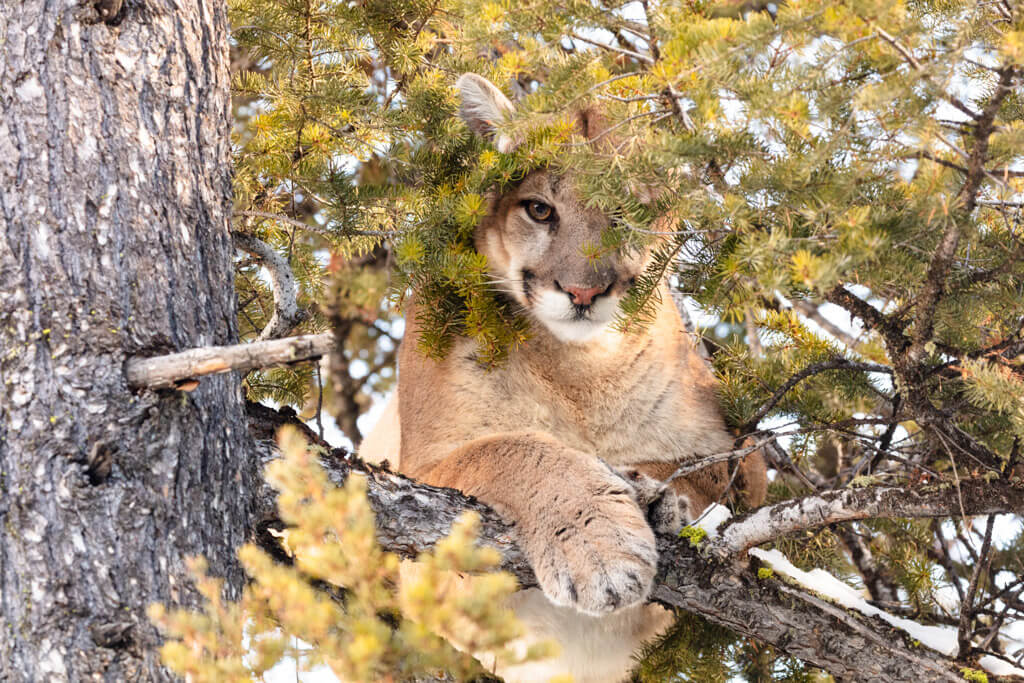
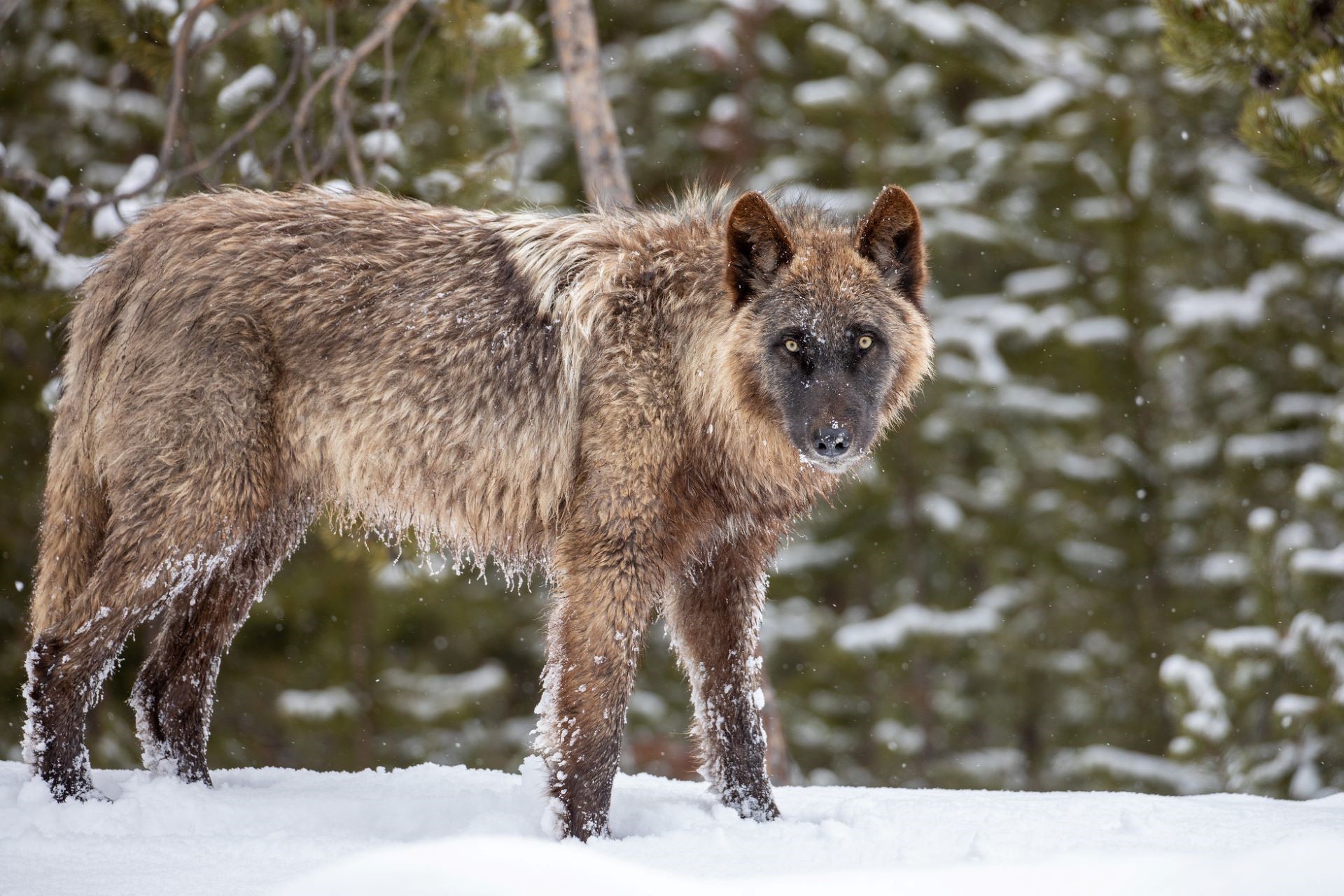
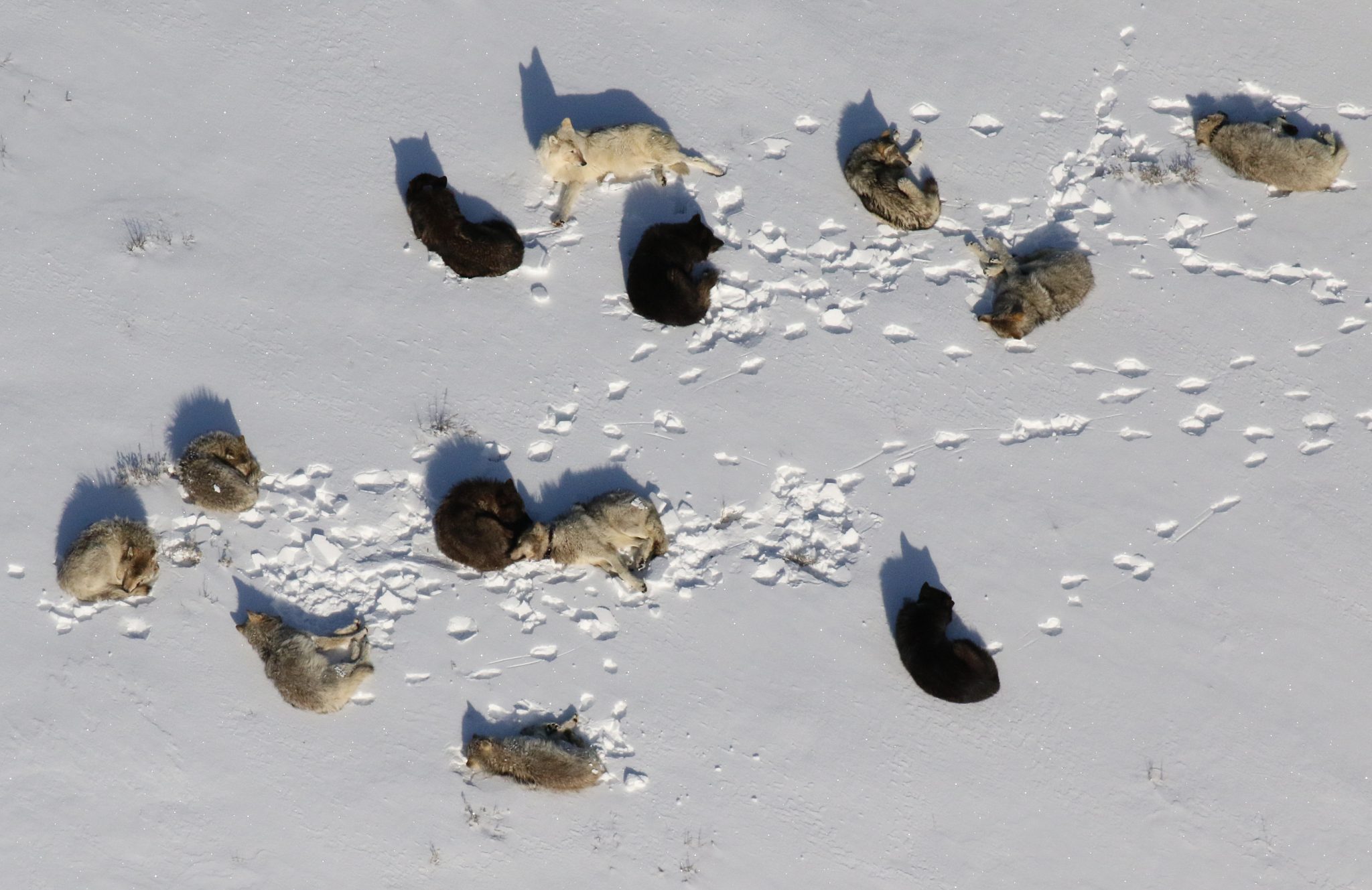
This field seminar offers an immersive, field‑based exploration of wolf and cougar ecology in northern Yellowstone, centered on how biologists study large carnivores in real time. Taking a flexible, adaptive approach shaped by weather and recent carnivore movements, the course prioritizes learning directly from what is happening on the landscape each day.
Participants will spend much of their time in the field observing wolves, snow tracking, investigating wolf and cougar kill sites, and visiting remote camera‑trapping locations across the Northern Range. By following current signs and activity, students gain firsthand insight into carnivore behavior, predator–prey dynamics, and the ways researchers interpret evidence left behind in winter conditions.
Field experiences are paired with short, focused discussions and presentations that build directly off what participants observe each day. These sessions reinforce key findings from more than 30 years of wolf and cougar research in northern Yellowstone and connect field observations to the scientific questions biologists continue to investigate.
By prioritizing time in the field and allowing learning to follow the animals themselves, this course offers a rare opportunity to understand both carnivore ecology and the tools biologists use to study Yellowstone’s apex predators—by working with real data, real landscapes, and real uncertainty.
DAY 1
WELCOME & ORIENTATION
The program begins with an evening orientation where participants will have the opportunity to get acquainted and learn about the program. During this session, we’ll review the itinerary, introduce key seminar concepts, and provide guidance on what to pack for the field each day.
DAYS 2 – 4
FIELD IMMERSION: CARNIVORE ECOLOGY & RESEARCH METHODS
Days 2–4 of the course take a flexible, field‑driven approach designed to take advantage of weather conditions and recent carnivore movements. In general, participants will spend the first part of each day in the park observing wolves, investigating wolf and cougar kill sites, snow tracking, and visiting remote camera‑trapping locations.
These opportunities will be prioritized to ensure that the majority of learning happens in the field, where participants can develop a deeper understanding of carnivore ecology alongside the research techniques biologists use to study these species in Yellowstone.
Afternoons will include short, focused presentations that build directly on field observations and discussions, reinforcing key findings from more than 30 years of wolf and cougar research in northern Yellowstone.
PROGRAM END
Dates & Times: The program begins at 7:00 p.m. on Monday, February 1, 2027, and goes through Thursday, February 4, 2027, at 5:00 p.m.
Lodging: This course does not include lodging, but we may have space available at the Yellowstone Overlook Field Campus. Click here to learn more. Otherwise, the town of Gardiner, MT has many places to stay. Click here to view a lodging directory from the Gardiner Chamber of Commerce.
Meals: This course is not catered. Participants will need to bring their own food; lunch should be able to travel in the field.
Whom to Contact: For any questions, concerns, or additional information please contact the following:
Program itinerary, health forms, payment, and general program questions please contact Yellowstone Forever at [email protected] or 406-848-2400 extension 3
Road updates, park conditions, and general park information please contact Yellowstone National Park Service at https://www.nps.gov/yell/contacts.htm
If running late for a program, please contact 406-848-9128.
General Information: For general information about the facilities, preparation for classes, what to expect, cancellation policies, and more, please see the Gardiner – Winter General Information document.
ACTIVITY LEVEL 4
- Be prepared for brisk aerobic snowshoeing or skiing up to 8 miles per day with climbs up to 1000 feet; or steep, rugged, off-trail skiing or snowshoeing—including breaking trail in variable snow conditions.
- Most activities will take place at elevations between 7,200 to 8,000 feet. Participants residing at lower elevations may want to arrive a day early to adjust to the altitude.
- To learn more about how specific medical conditions can be affected by Yellowstone’s environment and our activities, please visit our site page on health information.
- All field activities will be conducted as a group. If members of the group cannot participate in the day’s activities, they need to let the educator know in advance.
- To participate in this program, each participant must fill out and sign a health questionnaire and assumption of risk waiver. These forms must be completed and returned at least 30 days prior to the program start date.
Whom to Contact: For any questions, concerns, or additional information please contact the following:
Program itinerary, health forms, payment, and general program questions please contact Yellowstone Forever at [email protected] or 406-848-2400 extension 3
Road updates, park conditions, and general park information please contact Yellowstone National Park Service at https://www.nps.gov/yell/contacts.htm
If running late for a program, please contact 406-848-9128.
General Information: For general information about the facilities, preparation for classes, what to expect, cancellation policies, and more, please see the Gardiner – Winter General Information document.
RECOMMENDED READINGS
- Smith, D. W., Stahler, D. R., & MacNulty, D. R. (2020). Yellowstone Wolves: Science and Discovery in the World’s First National Park. University of Chicago Press.
- Ruth, T., Buotte, P., & Hornocker, M. (2019). Yellowstone Cougars: Ecology Before And During Wolf Restoration. University Press of Colorado. https://doi.org/10.5876/9781607328292
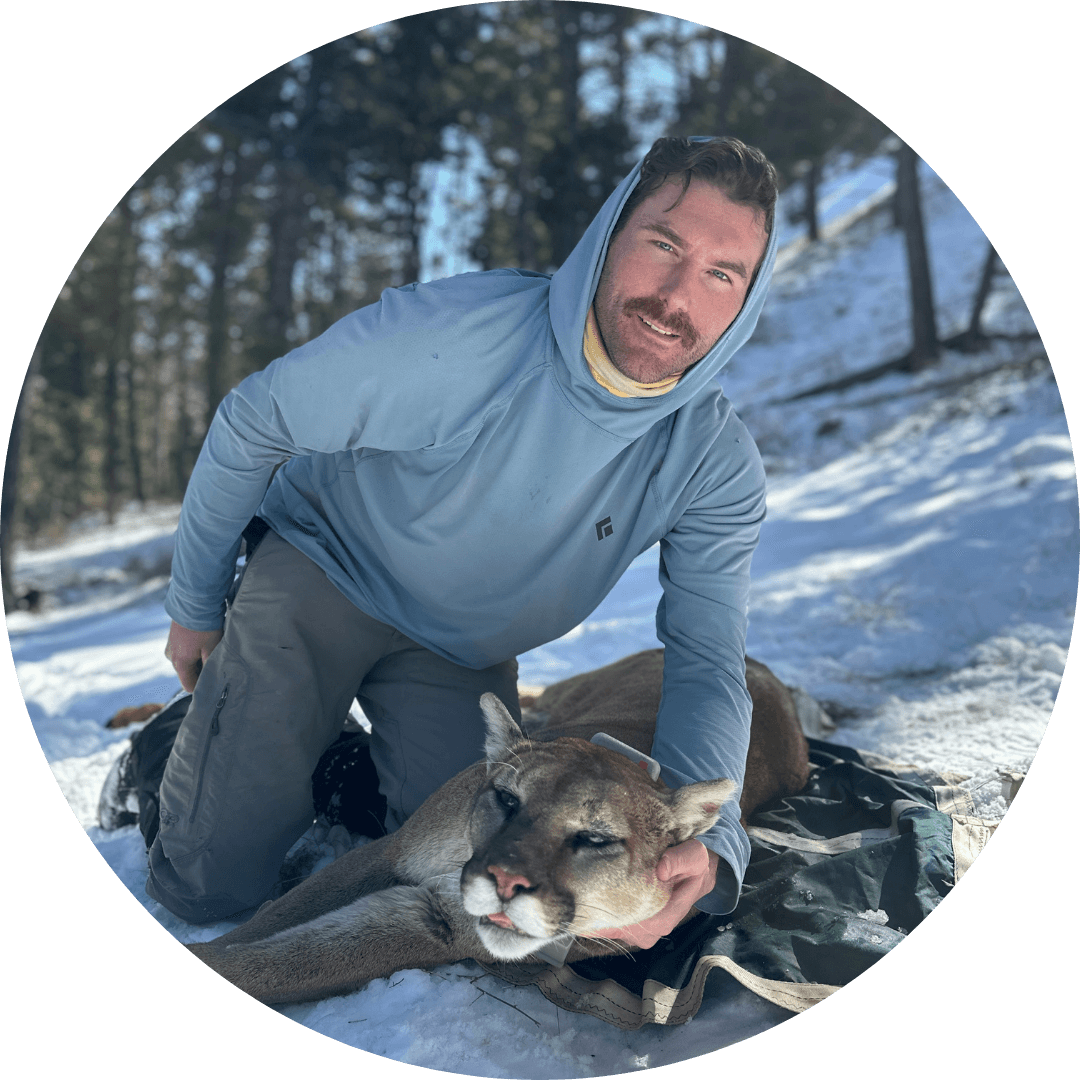
Wes Binder, PhD Candidate
Wes Binder is a wildlife biologist and longtime member of the Yellowstone Cougar Project. He has spent his career studying carnivore ecology and is currently in his final year of a PhD program at Oregon State University, where his dissertation focuses on carnivore interactions and population dynamics in Yellowstone National Park. Wes has spent years in the field training project technicians in how to monitor and study Yellowstone’s carnivores and looks forward to extending those hands‑on lessons to course participants. His work with the Yellowstone Cougar Project has also been featured in the documentary Guardians of Yellowstone, which highlights decades of carnivore research in the park.