
How multiple species – from birds to bears – prepare for winter through movement and energy storage.
By Amanda Harper, Institute Field Educator
The brutal heat dies down, and the crisp fall breeze sweeps across the landscape. As humans, we turn to our climate-controlled homes for refuge from the unforgiving winter that is soon to come. But what would we do if there was no one place to escape to? Whether it’s a quick escape through migration, a long nap, or special adaptations, wildlife begin a methodical journey to the long winter ahead. From the birds to the bears, every animal has a strategy to implement this fall.
How Do Yellowstone Animals Migrate for Winter?
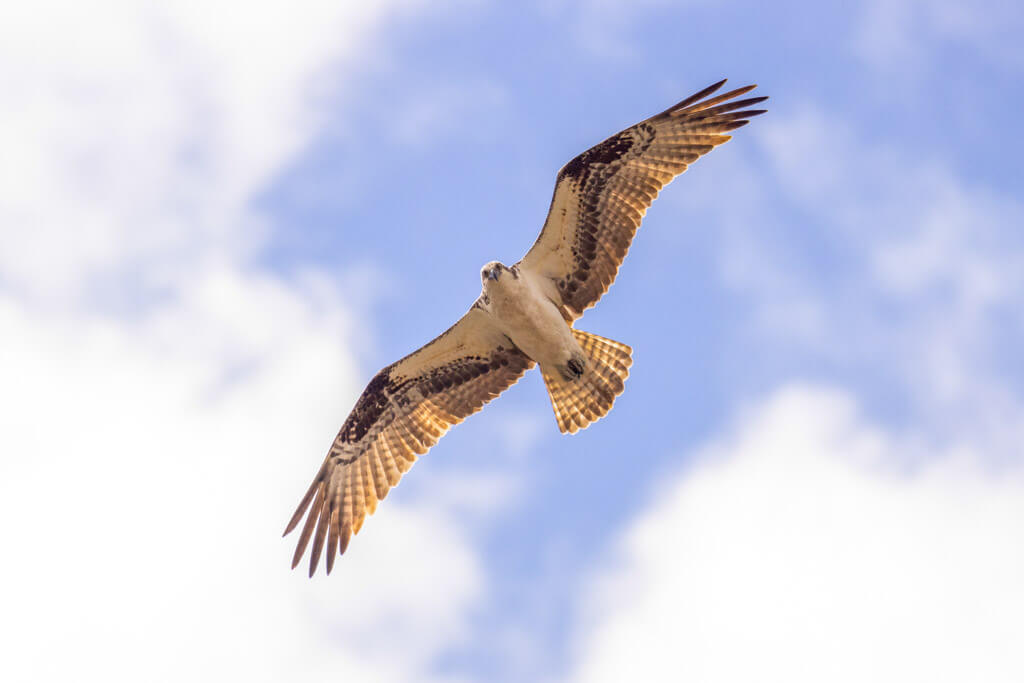 Similar to humans traveling to tropical areas in the harsh winter months, some animals give the cold weather a definitive “peace out.” This seasonal phenomenon of movement – a journey and return, is called migration. In ecosystems like Yellowstone, freezing temperatures, deep snow, and shorter days take away the lush vegetation that is teeming with energy in the summer months. The lack of forage is a sure sign that animals need to migrate elsewhere. On a single autumn night with favorable winds, millions of birds take to the sky for their journey. Ungulates – such as elk, deer, pronghorn, and bison are exhaled outward from the high-elevation summer ranges to lower-elevation winter ranges to find more food sources.
What Is the Difference Between Hibernation, Brumation, and Torpor?
Many animals prepare for the winter in ways that are the opposite of migration. A decrease in metabolism, heart rate, and body temperature allows for a rejuvenating nap through winter. A broad array of wild animals experience special kinds of dormancy. The three main types of dormancy include hibernation, brumation, and torpor.
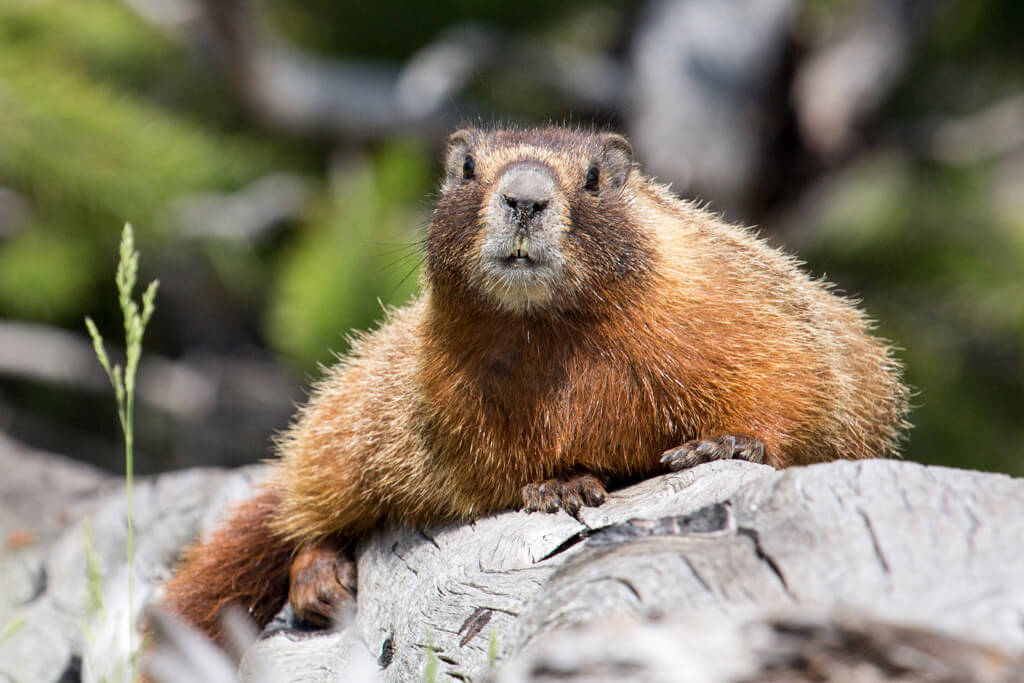 Rodents take the crown as the truest hibernators. In a frenzy to gain enough energy storage, yellow-bellied marmots may put on up to three times their body weight. A strategy so important and impressive that the last month in August has been deemed “Fat Marmot Week” by scientists in the Colorado Rockies. As the public begins to vote on their favorite plump marmot in a bracket style competition, the marmots are ensuring survival for the long, cold months ahead. In Yellowstone, marmots retreat underground in September or October to fall into a deep sleep with a body temperature of only around 41°F and a heartbeat of 30 beats per minute. As we watch these animals squeeze their stout bodies into their burrowing holes, it’s important we remember what they’re fighting for: survival in a changing season and in an overall warming climate.
Many animals go through a period of dormancy called brumation where they are partially awake. As the first snowfall arrives in September, cold-blooded reptiles burrow into underground communal hubs to share body heat and fall into a light sleep throughout winter months. While snakes may briefly leave their hibernaculum to bask in the sun, change positions, or drink water, they will not permanently leave until the weather warms up in the spring. Animals like the boreal chorus frog prepare for brumation by finding shallow terrestrial hiding spots under leaf litter or loose soil. Due to the lack of an underground burrow, these frogs rely on high glucose levels in their blood to act as a natural antifreeze that protects their vital cells. Their partially frozen body is suspended until the spring snowmelt arrives.
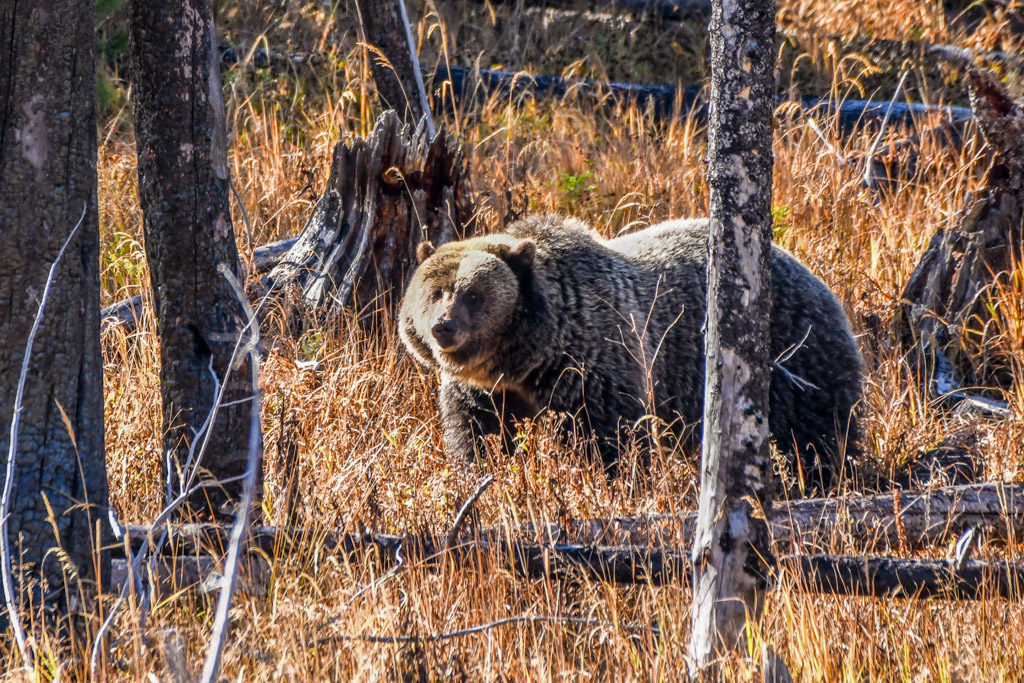 The last form of dormancy is torpor – an unplanned, short-term energy saving nap caused by cool temperatures and lack of food. Contrary to true hibernation, this drop in body temperature, metabolism, and heart rate usually only lasts for hours at a time. In Yellowstone, grizzly bears and black bears are famously known to undergo winter torpor. In the fall, bears have the ultimate feeding frenzy. Vital fat reserves are produced through a process called hyperphagia – an intense, constant feeling of ruthless hunger. A shift to higher calorie foods like pine nuts, army cutworm moths, and carrion allows bears to consume up to 20,000 calories a day in the fall, gaining up to three pounds each day. This colossal food reserve allows for enough energy for den excavation, as well as lying nearly completely still for several months on a lower metabolism. Unlike true hibernators, bear body temperatures stay mostly normal, and they can wake up quickly if threatened. These winter dens offer refuge from harsh climates, allowing mother bears to give birth to their cubs. From the intense hunger of fall, to the calm winter, to the emergence of spring, bears always have a survival plan.
How Do Animals Adapt Physically to Survive Winter in Yellowstone?
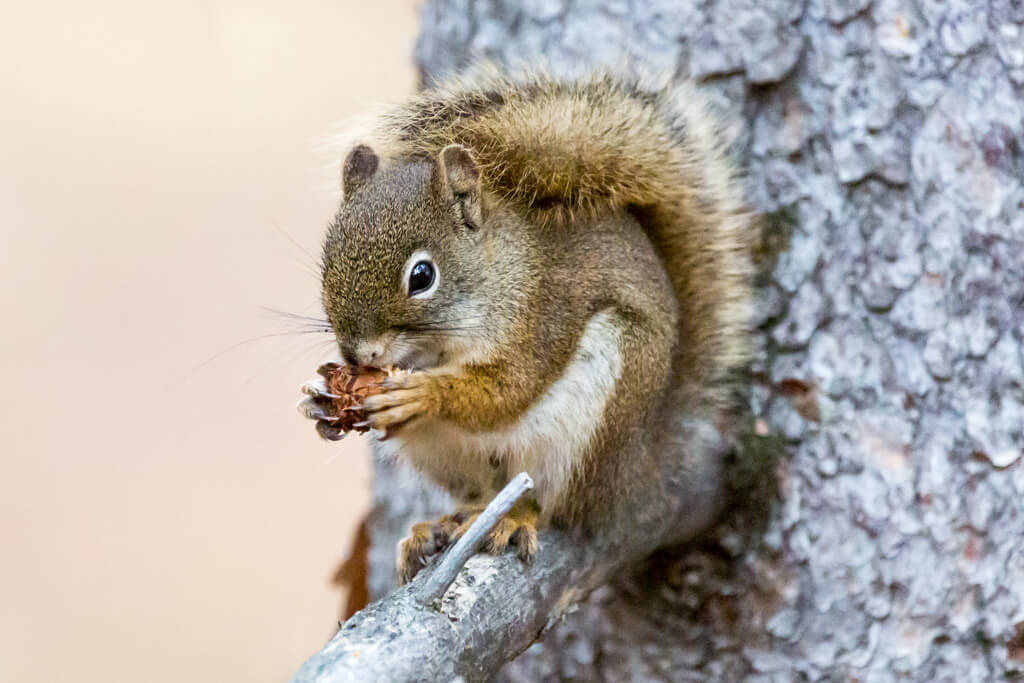 Through behavioral, morphological, and physiological changes, animals have also adapted to endure the struggles of the changing seasons. Red squirrels – the hoarders of Yellowstone, store thousands of conifer cones, mushrooms, and nuts into a pile called a midden to last for the winter. The decreasing photoperiod in fall leads to physical changes in animals like snowshoe hair, white-tailed jackrabbits, long-tailed weasels, and short-tailed weasels turning white for the winter. This hormonal response allows for impressive camouflage and insulation in the white winters. Changes at the molecular and chemical level also allow for wildlife to maintain a healthy lifestyle through fall and winter. Ducks and geese are not afraid of the freezing waters in Yellowstone. The arteries carrying warm blood down their legs sit right next to veins carrying cold blood back up, creating a balanced and warmed core for the bird.
How Do Wildlife Survival Strategies Compare in the Cold?
Winter produces a similar set of challenges for all who endure it: a scarcity of food and water, increased energy costs to travel and maintain homeostasis, freezing temperatures and the damage they do. Yellowstone’s animals have evolved a diverse array of solutions to these challenges, but every solution requires energy and commitment. As autumn in Yellowstone so clearly shows, the preparation for winter begins long before the first snow falls.
Click here to learn about our wide variety of Yellowstone Forever Institute programs and tours.
Photos:
Feature: Foraging grizzly bear in October, YF / Amanda Evans
Osprey, NPS / Jacob W. Frank
Marmot, NPS / Neal Herbert
Red squirrel, YF / Matt Ludin
Comments are closed.