DATES: SEPTEMBER 27 – 28, 2026
TUITION: $183
LOCATION: GARDINER, MT
ACTIVITY LEVEL: 1
PROGRAM INFORMATION
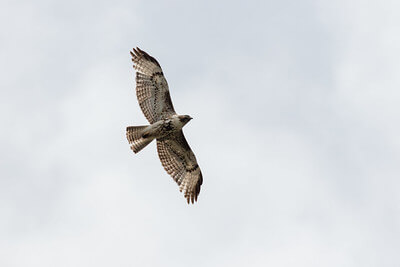
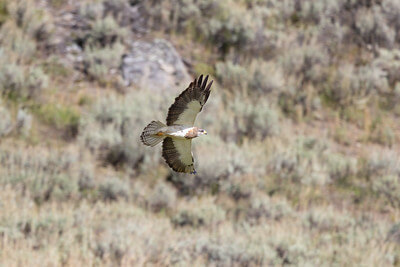
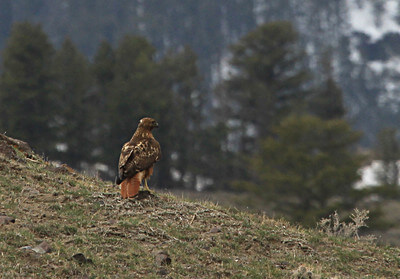
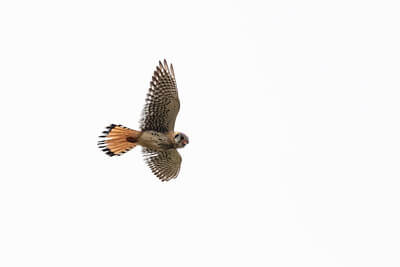
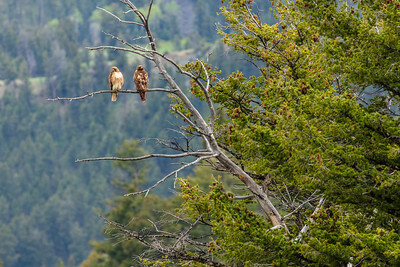
During fall, raptors (birds of prey) stream over Yellowstone as they fly to their wintering sites. The phenomenon of migration affords superb opportunities for identification and observation of behavior, with each raptor species demonstrating how its shape facilitates its ecology. Discover the specializations among the adaptations of eagles, falcons, woodland hawks and other species as they soar past or hunt for prey.
DAY 1
WELCOME & ORIENTATION
The program begins with an evening orientation where participants will have the opportunity to get acquainted and learn about the program. During this session, we’ll review the itinerary, introduce key seminar concepts, and provide guidance on what to pack for the field each day. Participants will enjoy a visual presentation on Yellowstone raptors, complemented by hands-on exploration of raptor wings, tails, and feet from the park’s specimen collection.
DAY 2
The class will travel to locations within Yellowstone to spend the day watching for migrating raptors. Along the way, we’ll highlight key identification features and explore the ecological roles of different raptor species.
Dates & Times: The program begins at 7:00 PM on Sunday, September 27, 2026, and goes through 5:00 PM on Monday, September 28, 2026.
Lodging: This course does not include lodging, but we may have space available at the Yellowstone Overlook Field Campus. Click here to learn more. Otherwise, the town of Gardiner, MT has many places to stay. Click here to view a lodging directory from the Gardiner Chamber of Commerce.
Group Size: 13
Meals: This course is not catered. Participants will need to bring their own food; lunch should be able to travel in the field.
ACTIVITY LEVEL 1
- Be prepared to hike up to 1 mile per day, comfortably, through relatively flat terrain on maintained trails.
- For more information about our activity levels, please visit our Activity Level webpage here.
- Most activities will take place at elevations between 7,200 to 8,000 feet. Participants residing at lower elevations may want to arrive a day early to adjust to the altitude.
- To learn more about how specific medical conditions can be affected by Yellowstone’s environment and our activities, please visit our site page on health information.
- All field activities will be conducted as a group. If members of the group cannot participate in the day’s activities, they need to let the educator know in advance.
- To participate in this program, each participant must fill out and sign a health questionnaire and assumption of risk waiver. These forms must be completed and returned at least 30 days prior to the program start date.
GENERAL EQUIPMENT & PACKING LIST:
Refer to the Lamar-Based Field Seminars – General Information document for the suggested packing list.
EQUIPMENT SPECIFIC TO THIS COURSE:
- Folding chair to sit comfortably to watch for migrating raptors.
Whom to Contact: For any questions, concerns, or additional information please contact the following:
Program itinerary, health forms, payment, and general program questions please contact Yellowstone Forever at [email protected] or 406-848-2400 extension 3
Road updates, park conditions, and general park information please contact Yellowstone National Park Service at https://www.nps.gov/yell/contacts.htm
If running late for a program, please contact 406-848-9128.
General Information: For general information about the facilities, preparation for classes, what to expect, cancellation policies, and more, please see the Gardiner-Based Field Seminars – General Information document.
Cancellation Policy: Review our Cancellation & Refund Policies here.

Katy Duffy, M.S.
Katy Duffy has taught numerous Yellowstone Institute classes on birds and other aspects of natural history. She has conducted field studies, including banding projects, of owls, diurnal raptors and songbirds in the Greater Yellowstone Ecosystem for more than 35 years. She worked as a supervisory resource education ranger for the NPS in Yellowstone and Grand Teton national parks for 32 years and has a M.S. in ecology from Rutgers University.