
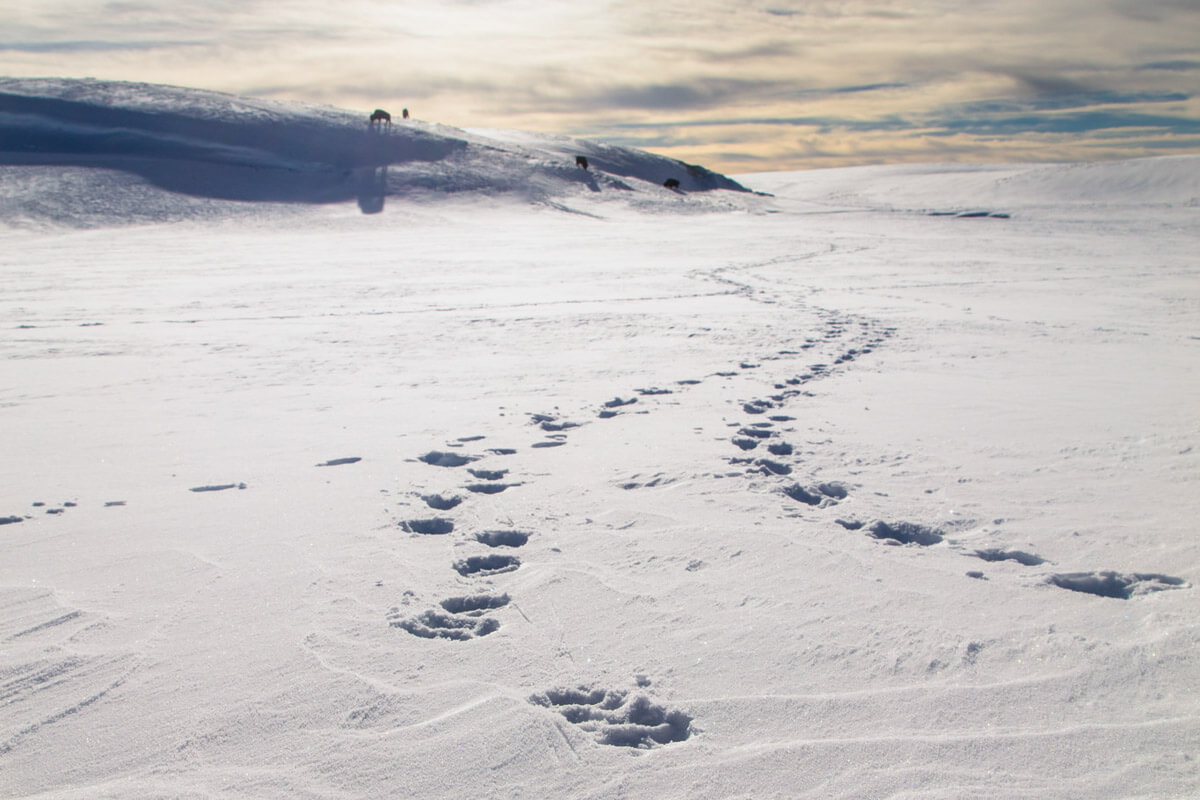
A field guide to interpreting snow prints, wing marks, beds, and scat—revealing how wolves, foxes, otters, and ungulates navigate deep winter. Includes tips for safe observation and Leave No Trace in cold conditions.
by Kyle Wonders, Lead Field Educator
As Yellowstone slips deeper into winter, the accumulating snow provides glimpses into the many stories of the land. These stories happen constantly – a midnight scuffle between a weasel and mouse, a romp of otters sliding along the riverbank, an owl bringing death from above. These tales are told through tracks and signs beautifully captured on a canvas of fresh snow. While any experienced tracker will tell you that these stories happen year-round, the light, powdery, Rocky Mountain snow preserves any events that have happened since the last snowfall in stark clarity. And as such, winter tracking becomes a naturalist’s dream.
Anytime I come across a track I feel a surge of excitement. “What came through here?” 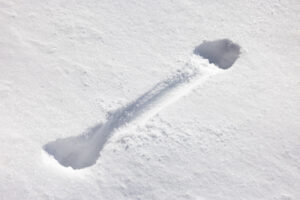 I ask myself. It can easily turn into a moment of field based “Who Dunnit”. As I have become more versed in tracking, however, I have learned that a very important first step is to step back from trying to determine what species’ prints might be left behind and look instead towards the bigger picture. Questions like “What direction is the animal moving?”, “How fast was the animal moving?”, “Where am I standing?”, “How close to the road am I?”, “Was the animal alone?”, and “Do I see other tracks around?” all become vital context to determine the story imprinted below.
And while some of those questions might seem tough to answer, there are some things to look for that can provide clues. Stride length can determine how fast this animal might have been moving, with stride typically increasing with increased speed across a landscape. 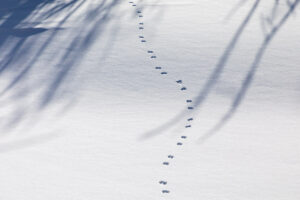 It can also be a useful tool in gauging the animal’s size, which is especially important for distinguishing similar looking tracks, like coyote and fox prints. Stride pattern, or the shape of a movement, can start to tell us if this animal was trotting, loping, or hoping, which can be very helpful tools for telling species apart. For example, animals like bison and bobcats typically use an alternating gait with feet falling in a zig-zag pattern on either side of the travel line. Animals like rodents have a box pattern, with front and back feet forming a ‘U’ shape repeated distinctly. Other clues, such as snow being cast in the direction of travel, toes dragging upon (and thus leaving trails extending away from the track) and angle of entry and exit can all be useful things to consider when in this context building phase of snow tracking.
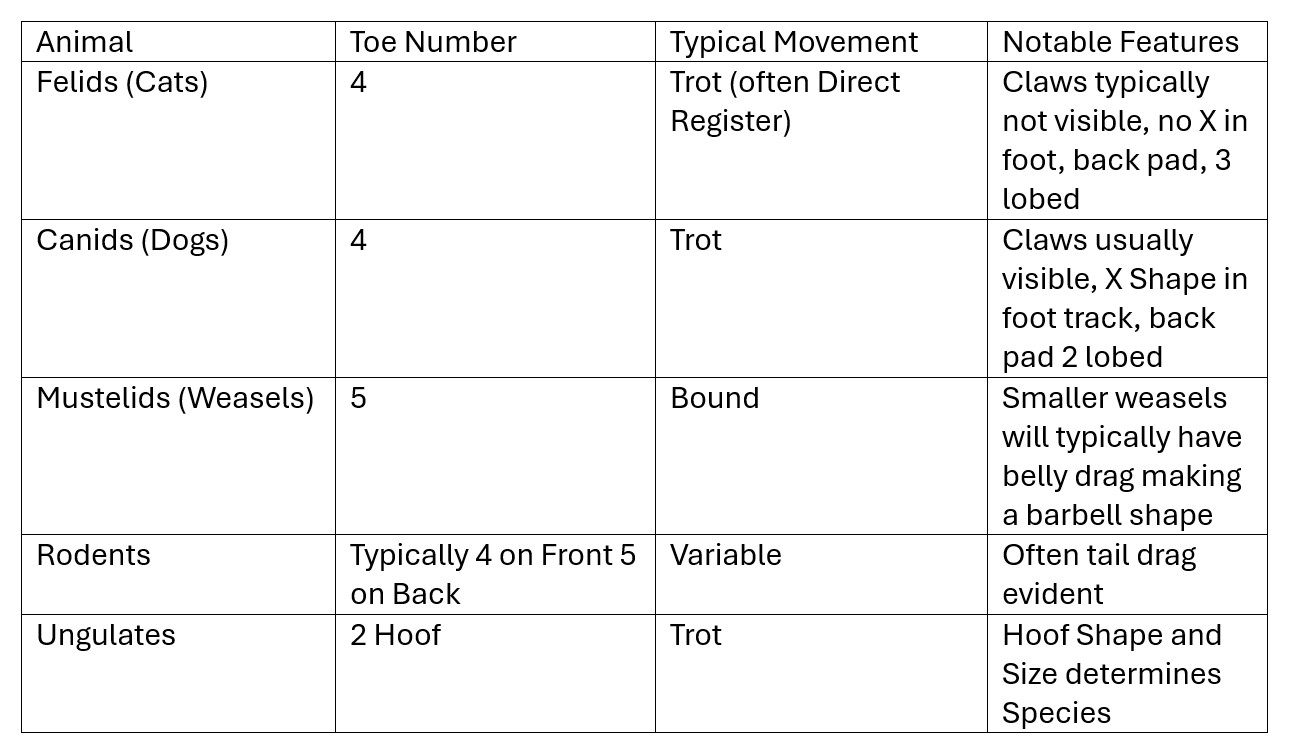
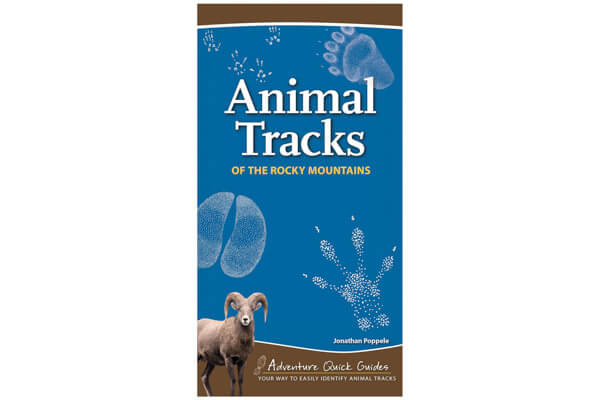
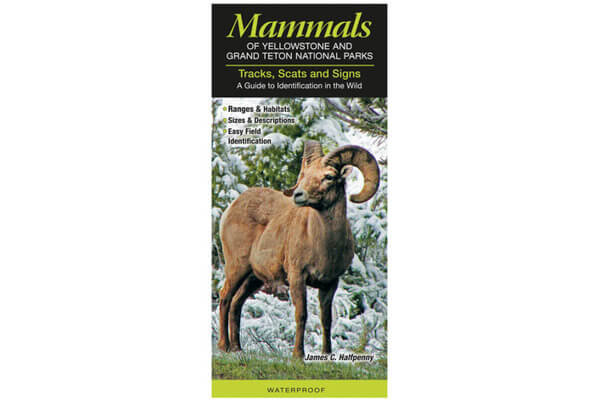
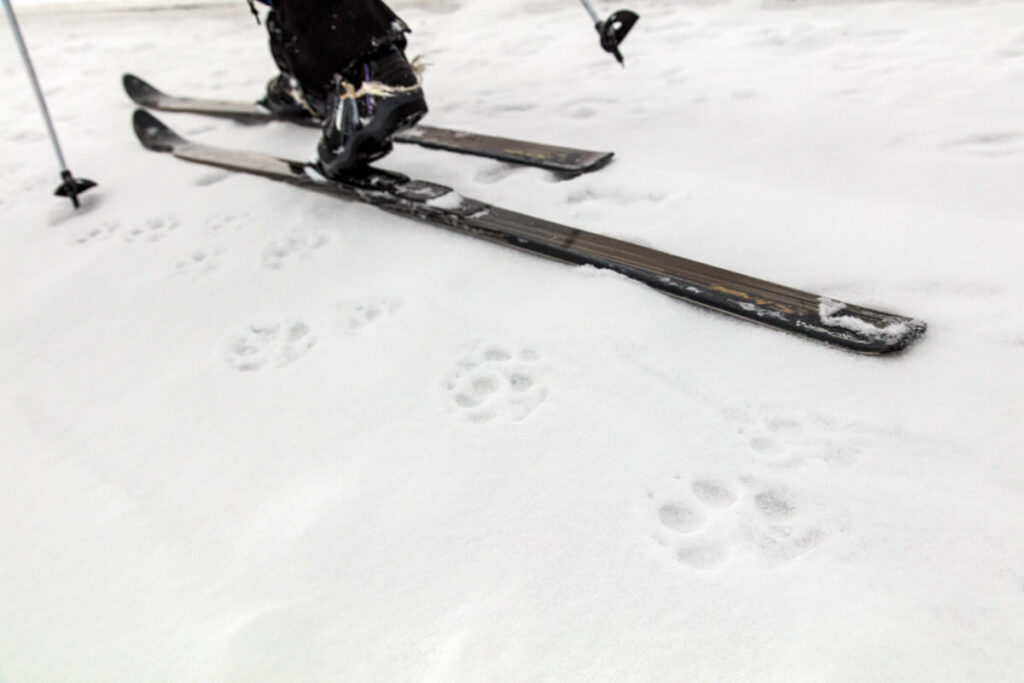 Once you have established the broader context of the track it is time to look at prints specifically. This is when I will move up and down the track-line to try to find a print that shows good definition of the foot that left the track. Once you have found that print, it is useful to look for the number of toes, the presence or absence of claws, the general shape of foot or hoof, and the overall size of the track. This is where it can be especially useful to carry a small field ruler! And while I recommend a good field guide to get into more detail, a cheat sheet like the one below can be a great physical or mental tool for honing on the suspect’s species or family.
Bringing these observations and context together helps build a broader understanding of the many stories that are constantly unfolding on a living landscape like Yellowstone. These winter stories allow visitors to connect with this landscape and appreciate the animals or seldom seen but constantly present. It is impossible to witness all the ‘action scenes’ unfolding in the park at any given time, but snow tracking preserve the predation, travel, and other events for future discoveries in the weeks to come. Still, sometimes even the most prepared of naturalists can find a track that leaves them stumped. Remember that part of being a naturalist is always continuing to learn, and sometimes the best stories of the landscape are those that don’t have a perfect answer.
Click here to learn about our wide variety of Yellowstone Forever Institute programs and tours.
Photos:
Feature: wolf tracks in Hayden Valley, NPS / Jacob W. Frank
Otter slide in Lamar Canyon, YF / Matt Ludin
Weasel track, YF / Matt Ludin
Tracks in Mammoth Hot Springs area, YF / Matt Ludin
Wolf tracks found while cross-country skiing, NPS / Jacob W. Frank
RELATED | YELLOWSTONE FOREVER PARK STORE
All purchases help support critical projects and programs in Yellowstone National Park
Comments are closed.