DATES: DECEMBER 10 – 13, 2026
PRICE: $781 | TUITION
LOCATION: GARDINER, MT
GROUP SIZE: 6
ACTIVITY LEVEL: 1
PROGRAM INFORMATION
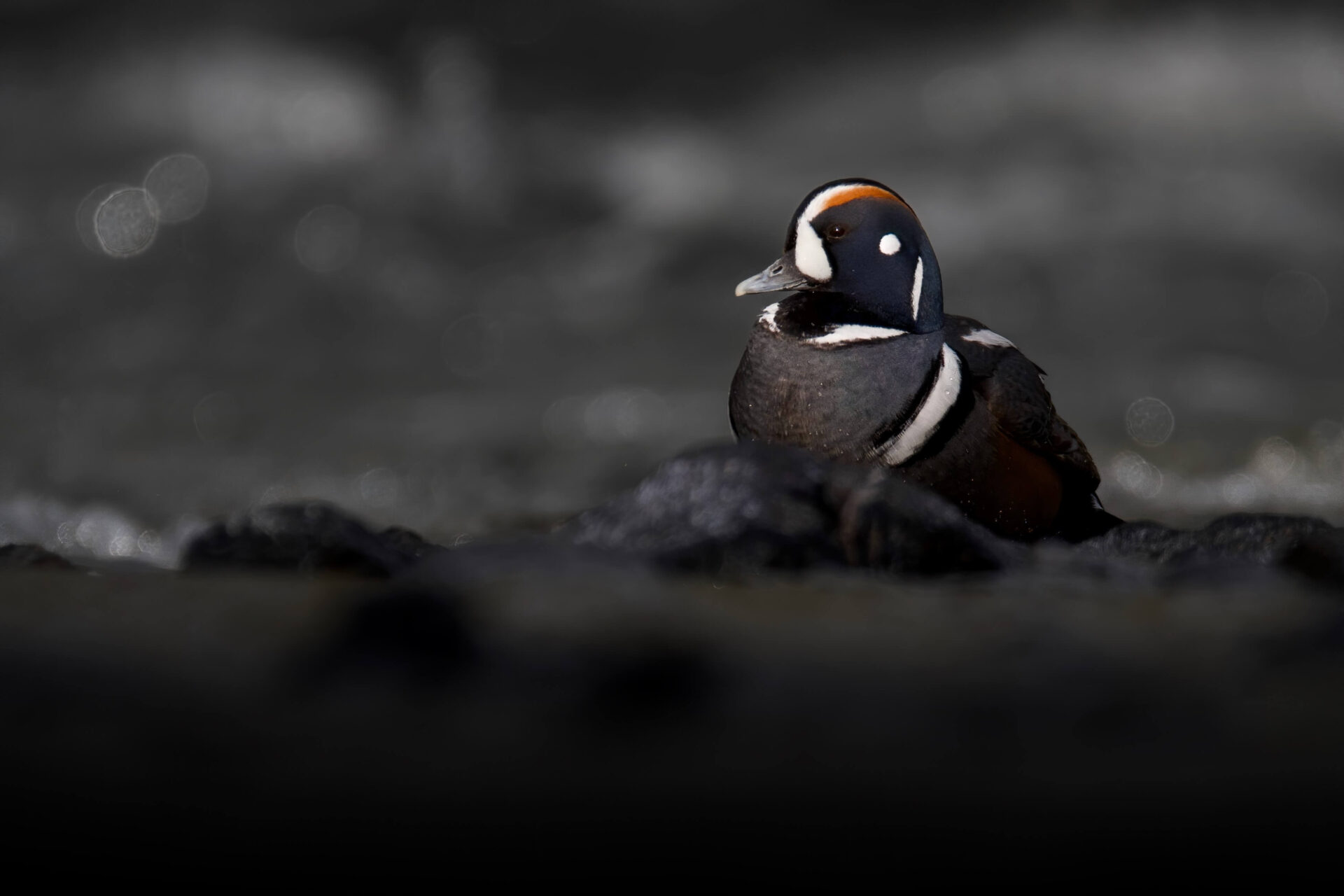
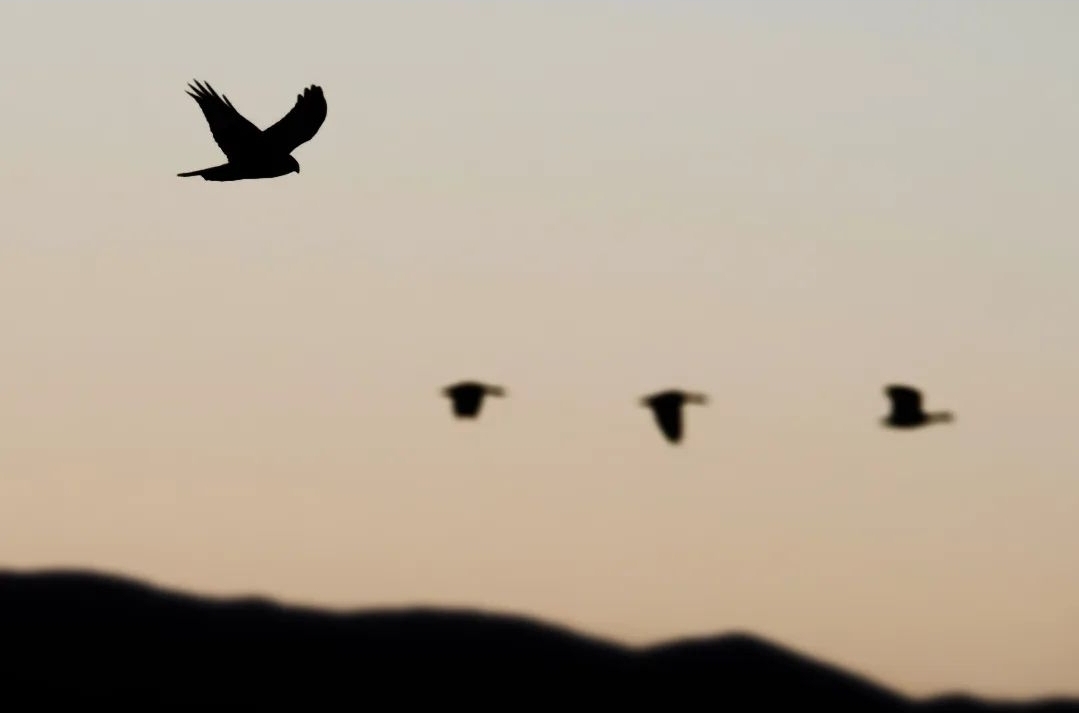
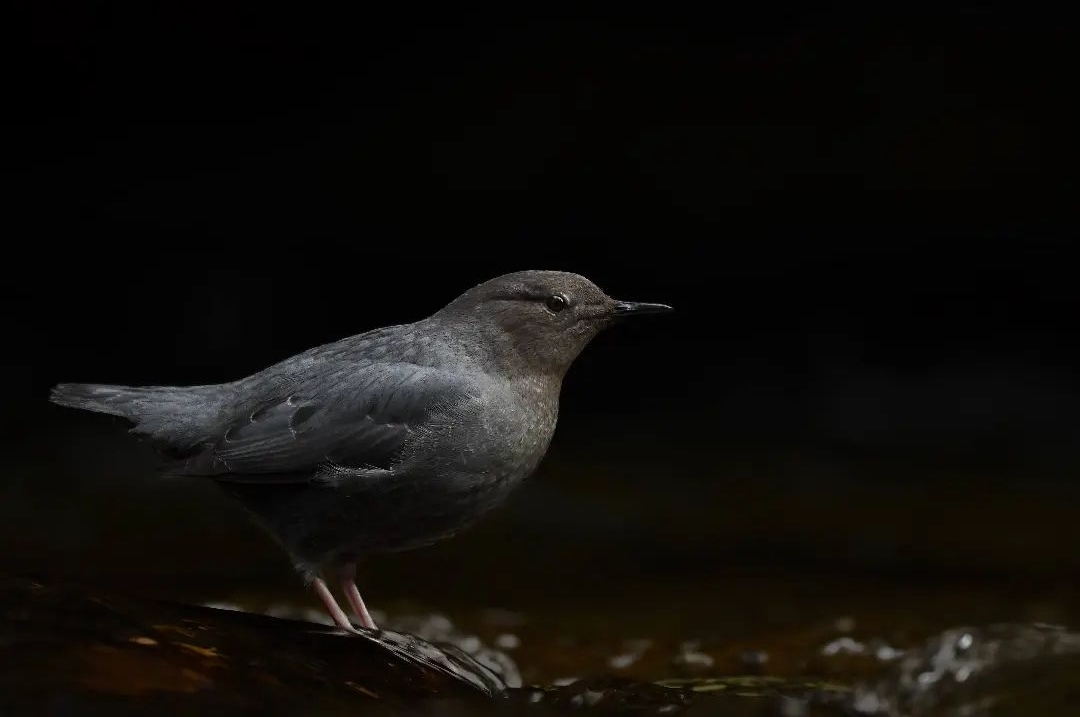
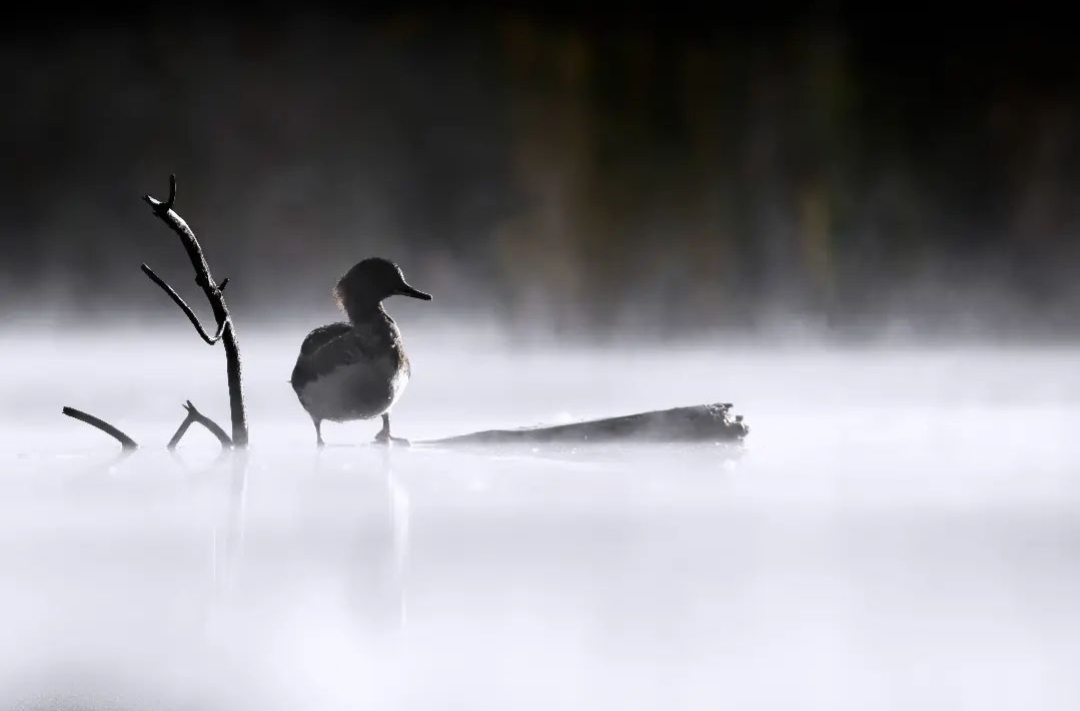
In this course, participants will explore the breathtaking winter landscapes of Yellowstone National Park while learning the art of snow photography and wildlife photography. Led by experienced photographer Justin Theurer, students will capture the park’s iconic wildlife, from bison and elk to wolves and coyotes, against a dramatic winter backdrop. Participants will learn how to photograph snow, including techniques for working with bright snow-covered landscapes, winter lighting conditions, and challenging weather environments.
The seminar emphasizes hands-on techniques for photographing animals in their natural habitats, working with low light, and mastering the unique challenges of winter photography. Through guided field sessions and expert instruction, students will develop skills in composition, lighting, and understanding wildlife behavior while exploring creative snow photography ideas in one of the world’s most remarkable winter ecosystems.
Whether a beginner or experienced photographer, participants will leave with a stronger command of their craft and a portfolio of striking winter images from one of America’s most remarkable national parks.
DAY 1
WELCOME & ORIENTATION
The program starts with an evening orientation. Participants will get to know one another and be introduced to the program. Throughout the evening, the itinerary and seminar key concepts will be discussed, as well as what to expect to pack for the field each day.
DAY 2
Winter Wildlife Photography in the Field
Participants will spend the day photographing winter wildlife across a variety of habitats, with locations and subjects determined by current wildlife activity, weather, and light conditions. Instruction will focus on cold-weather camera operation, exposure management in snow, ethical wildlife photography practices, and adapting technique to real-time field scenarios. Midday and evening periods will include opportunities for warming up, discussion, and image review, allowing students to refine both technical and creative approaches based on the day’s experiences.
DAY 3
Participants will continue field-based winter wildlife photography, with daily plans shaped by wildlife movement, environmental conditions, and photographic opportunity. Instruction will emphasize refining composition, working intentionally with light and background, and anticipating animal behavior to strengthen visual storytelling. The day will include time for discussion and image review, helping students evaluate their work and apply lessons directly in the field.
DAY 4
Synthesis, Field Craft, and Post-Processing Workflow
Participants will conclude the course with a final day of winter wildlife photography in the field, with locations and subjects determined by current conditions and remaining photographic opportunities. The latter part of the day will transition to a classroom setting, where techniques, decision-making, and field craft will be discussed with an emphasis on applying these skills beyond the course. The program concludes with an instructor-led demonstration of an efficient wildlife editing workflow using Adobe Lightroom, giving students practical tools to carry forward into future projects.
PROGRAM END
Dates & Times: The program begins at 7:00 p.m. on Thursday, December 10, 2026, and goes through Sunday, December 13, 2026,
at 5:00 p.m.
Lodging: This course does not include lodging, but we may have space available at the Yellowstone Overlook Field Campus. Click here to learn more. Lodging for the duration of the course will be available to purchase during the registration process for the course. Otherwise, the town of Gardiner, MT has many places to stay. Click here to view a lodging directory from the Gardiner Chamber of Commerce.
Meals: This course is not catered. Participants will need to bring their own food; lunch should be able to travel in the field.
Whom to Contact: For any questions, concerns, or additional information please contact the following:
Program itinerary, health forms, payment, and general program questions please contact Yellowstone Forever at [email protected] or 406-848-2400 extension 3
Road updates, park conditions, and general park information please contact Yellowstone National Park Service at https://www.nps.gov/yell/contacts.htm
If running late for a program, please contact 406-848-9128.
General Information: For general information about the facilities, preparation for classes, what to expect, cancellation policies, and more, please see the Gardiner – Winter General Information document.
ACTIVITY LEVEL 1
- Be prepared for leisurely hikes up to 1 mile per day through relatively flat terrain on maintained or snow-packed trails.
- Most activities will take place at elevations between 7,200 to 8,000 feet. Participants residing at lower elevations may want to arrive a day early to adjust to the altitude.
- To learn more about how specific medical conditions can be affected by Yellowstone’s environment and our activities, please visit our site page on health information.
- All field activities will be conducted as a group. If members of the group cannot participate in the day’s activities, they need to let the educator know in advance.
- To participate in this program, each participant must fill out and sign a health questionnaire and assumption of risk waiver. These forms must be completed and returned at least 30 days prior to the program start date.
- Camera & Optics Gear
- Camera system: DSLR or mirrorless camera •
- Telephoto lens: 400mm or greater recommended •
- Alternative focal lengths are acceptable depending on experience and shooting style •
- Camera support: Tripod or monopod •
- Extra batteries: Cold temperatures significantly reduce battery life •
- Battery charging capability: Wall charger, car charger, or power bank •
- Memory cards: Multiple cards recommended •
- Cables or card reader: For downloading images •
- Laptop (preferred, not required): Used for photo review sessions •
- Binoculars: Strongly recommended for locating and observing wildlife •
- Weather protection for camera gear: Rain cover or snow cover recommended
- Clothing & Personal Gear Participants should dress for full winter field conditions, using a layered system. Cotton clothing is strongly discouraged. •
- Base layers: Synthetic or wool (wicking) •
- Mid-layer insulation: Fleece or wool •
- Heavy insulating layer: Down, synthetic, or heavyweight fleece jacket •
- Outer shell: Waterproof and windproof jacket and pants •
- Insulated winter boots: Waterproof, with adequate insulation •
- Traction devices: Yaktrax, Microspikes, or similar for icy conditions •
- Extra socks: Wool or synthetic •
- Warm hat: Insulating and ear-covering •
- Gloves: Insulated gloves or mittens; liners recommended •
- Gaiters: Recommended to keep snow out of boots •
- Daypack: Large enough to carry camera gear, extra layers, food, and water
- Food, Water & Field Essentials •
- Lunch: Lunch is not provided •
- Participants must bring sufficient food for each day •
- Water: Refillable water bottle(s) •
- Sunscreen and lip protection: Sun exposure is significant at elevation and on snow •
- Sunglasses: Helpful for snow glare •
- Headlamp or flashlight: Recommended for early morning and evening shooting •
- Coffee mug (optional): Coffee will be provided during most midday photo review sessions
Whom to Contact: For any questions, concerns, or additional information please contact the following:
Program itinerary, health forms, payment, and general program questions please contact Yellowstone Forever at [email protected] or 406-848-2400 extension 3
Road updates, park conditions, and general park information please contact Yellowstone National Park Service at https://www.nps.gov/yell/contacts.htm
If running late for a program, please contact 406-848-9128.
General Information: For general information about the facilities, preparation for classes, what to expect, cancellation policies, and more, please see the Gardiner – Winter General Information document.
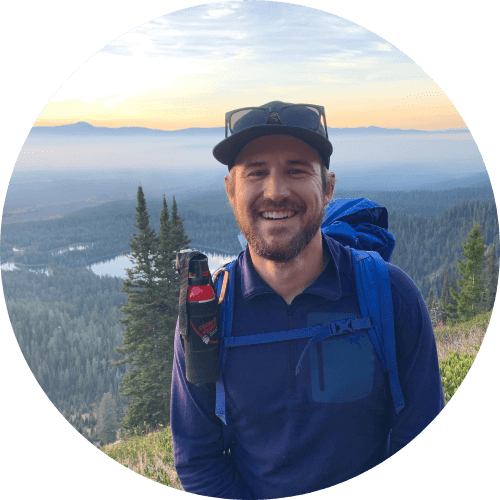
Justin Theurer
Justin Theurer is a North America based wildlife photographer, naturalist, and instructor with a degree in Environmental Studies from the University of Montana. He leads immersive field experiences that emphasize learning through direct connection with nature, blending technical photography instruction with a strong understanding of wildlife behavior. Justin brings extensive experience guiding wildlife focused programs throughout the Rockies and Northern Great Plains. He is known for his patient, approachable teaching style and his emphasis on field awareness and thoughtful practice. His Yellowstone field seminars offer participants an in-depth, skill driven exploration of the park’s unique landscapes and topography, from expansive valleys and river canyons to geothermal features, rugged mountains, and diverse ecosystems that support its abundant wildlife.