Most weekends, I grab an iced coffee, pack a lunch, and drive out to a pond somewhere in Yellowstone. After I set up my scope and grab my binoculars, I spend a few hours watching birds and enjoying the sunshine.
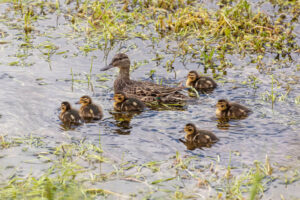 When I first pull up to a spot, the bird song goes quiet, the bugs stop buzzing. Ducks move into the reeds, unsure of the threat I might bring. As I show them I mean no harm, sitting quietly, moving slowly, and talking softly, the pond comes alive again. There is a magic to spending a few quiet moments in Yellowstone. With the wind blowing through the trees, the Yellow-headed Blackbirds begin making their alien buzzing songs again, and the crickets resume chirping in the grass. This activity lends itself to a meditative moment. The Ruddy Ducks leave the safety of the reeds to begin diving for food again. The American Coots and their bald-headed chicks start to swim out into the open again, dunking their heads in the water to get food. I delight in just sitting with the ducks, watching their babies learn how to swim and forage for food. There is something special about being in the moment, sharing space with nature.
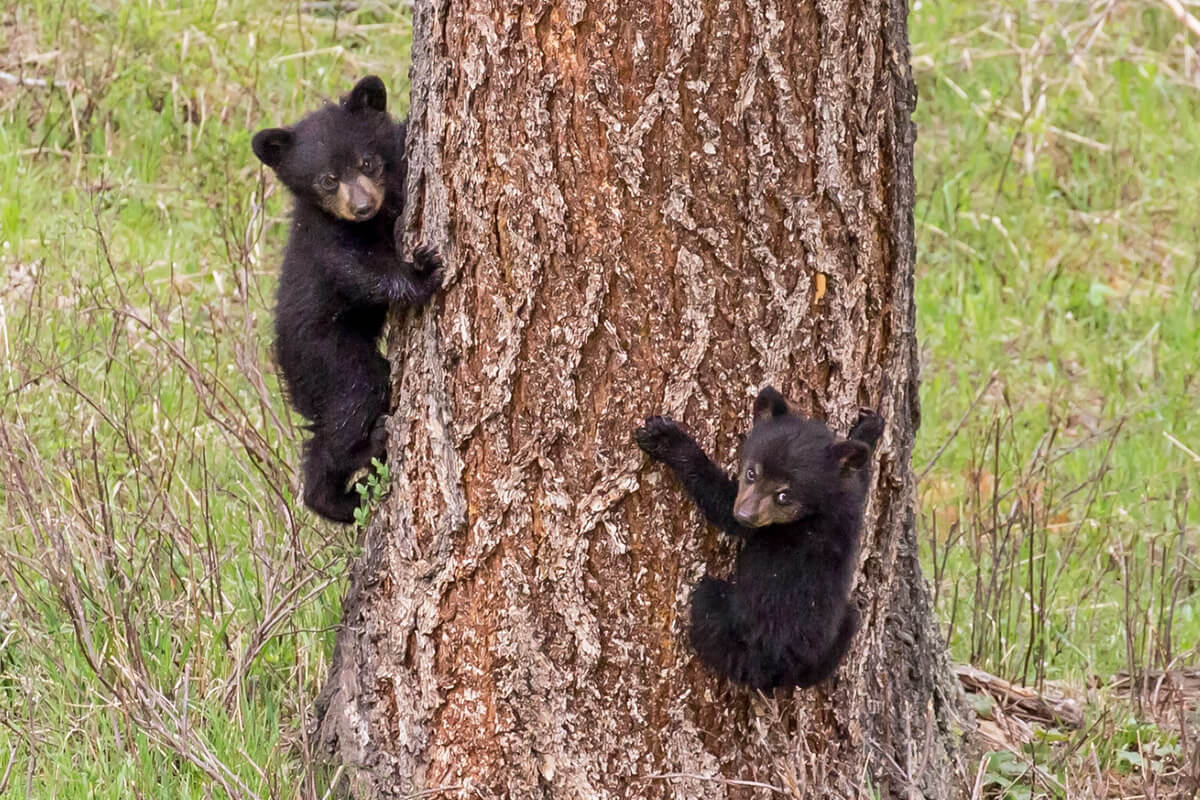
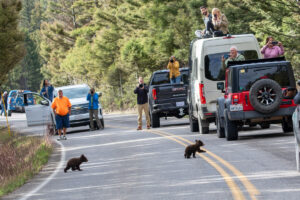 People see my car and scope, and pull over, hoping I’ve spotted a bear or one of Yellowstone’s many other charismatic species. I usually have to disappoint them; I’m watching the ducks after all. Birdwatching is more than just checking a species off a list for me. I get to watch the drama of the yellow-headed black birds pushing the red-winged blackbirds out of the best nesting habitat. The anticipation of a first flight from the nest. I am lucky enough to live a little bit of their lives with them. These fleeting moments are what I chase after. A bison calf’s first time crossing the road, looking to mom for guidance. My first sighting of the osprey chicks, pink mouths wide and barely visible over the edge of their nest. A baby black bear learning how to climb a tree.
I try to instill a sense of patience and tranquility with visitors. Reminding them, and myself, how important it is to let life move alongside us for a while. 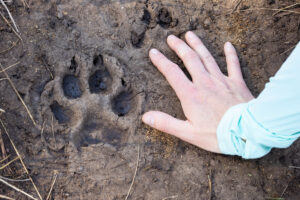 It feels different unobtrusively watching black bears flip rocks to look for bugs, or mountain goats hopping around on sheer cliff faces. We can learn so much from wildlife. Bears spend most of their days trying to get enough food to survive, yet there is no agitation in their foraging. Steady movement across a meadow, uncaring of the many people standing along the shoulder watching. They know humans are there but if we keep a respectful distance and a considerate quiet, the bears seem unbothered. These days, most things move too fast, yet there is no instant gratification in nature.
When watching wildlife, visitors must stay at least 100 yards away from bears and wolves and 25 yards away from everything else. This is a good rule of thumb, but it’s important to watch an animal’s behavior closely and give greater distance at the first sign of distress or any change in behavior.
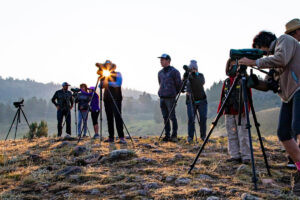 When my guests and I give the wildlife extra space and time, we see amazing things. Recently, we had the incomparable experience of watching an American badger and a coyote hunting Uinta ground squirrels together. The badger digging up burrows while the coyote watches closely. If the squirrel runs away, the coyote is fast enough to chase it down. If the squirrel goes underground the badger is able to quickly excavate into the burrow for a snack. Together, the coyote and badger have a much better chance of catching food than if they hunted alone. The coyote checks in with the badger frequently, making sure they travel together. The badger in contrast waits for the coyote to catch up when he moves too quickly among the sagebrush. While we were watching this amazing symbiotic behavior, the badger and coyote occasionally looked over at my group. They knew we were there, but we were far away and calm enough for both animals to remain unbothered. I feel a strange kinship with them, but they seem to have no regard for me. It is as things should be.
by Yellowstone Forever Institute Field Educator, Sydney Driver
Click here to learn about our wide variety of Yellowstone Forever Institute programs and tours.
Comments are closed.