DATES: JUNE 4 – 8, 2027
TUITION: $532
LOCATION: GARDINER, MT
GROUP SIZE: 6
ACTIVITY LEVEL: 1
PROGRAM INFORMATION
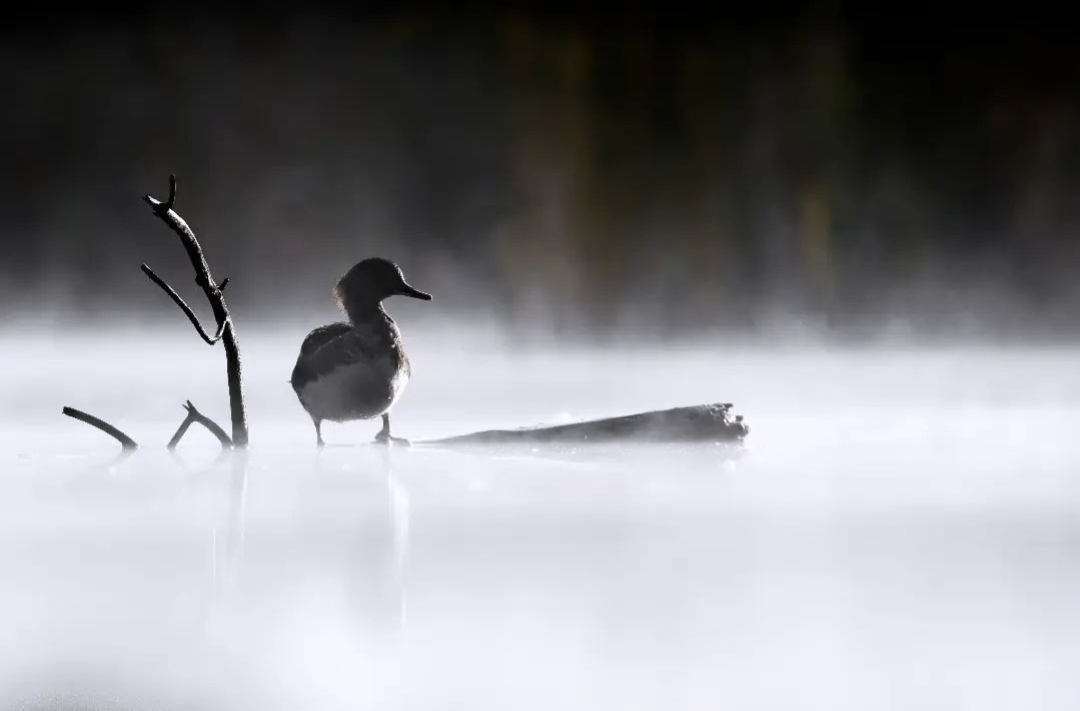
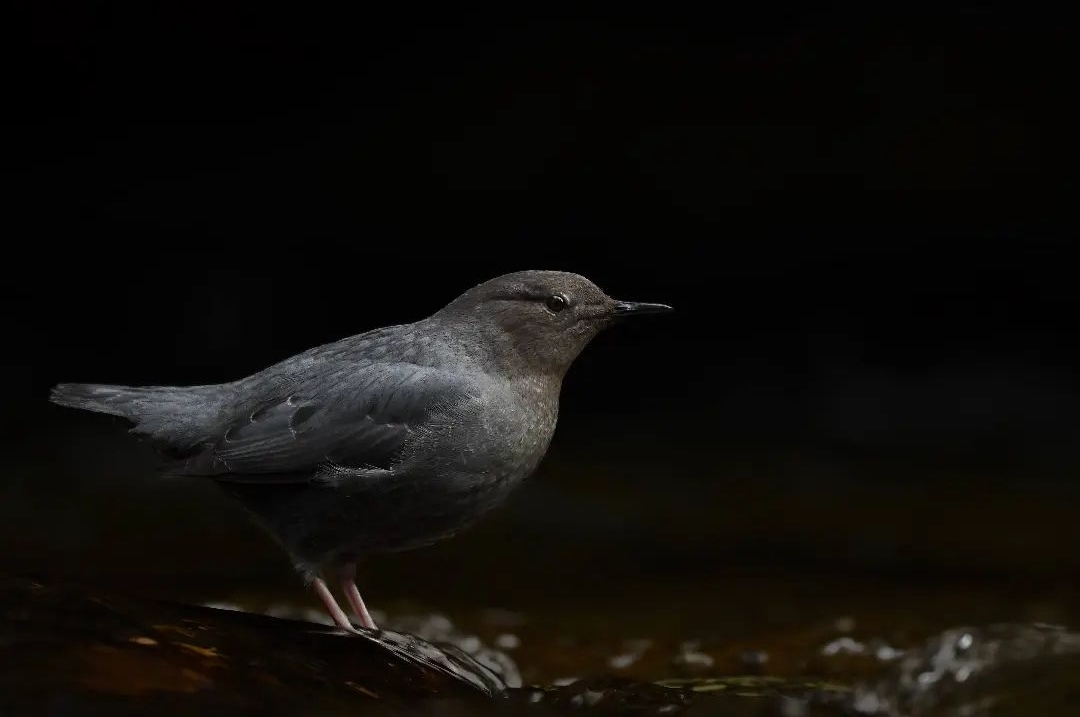
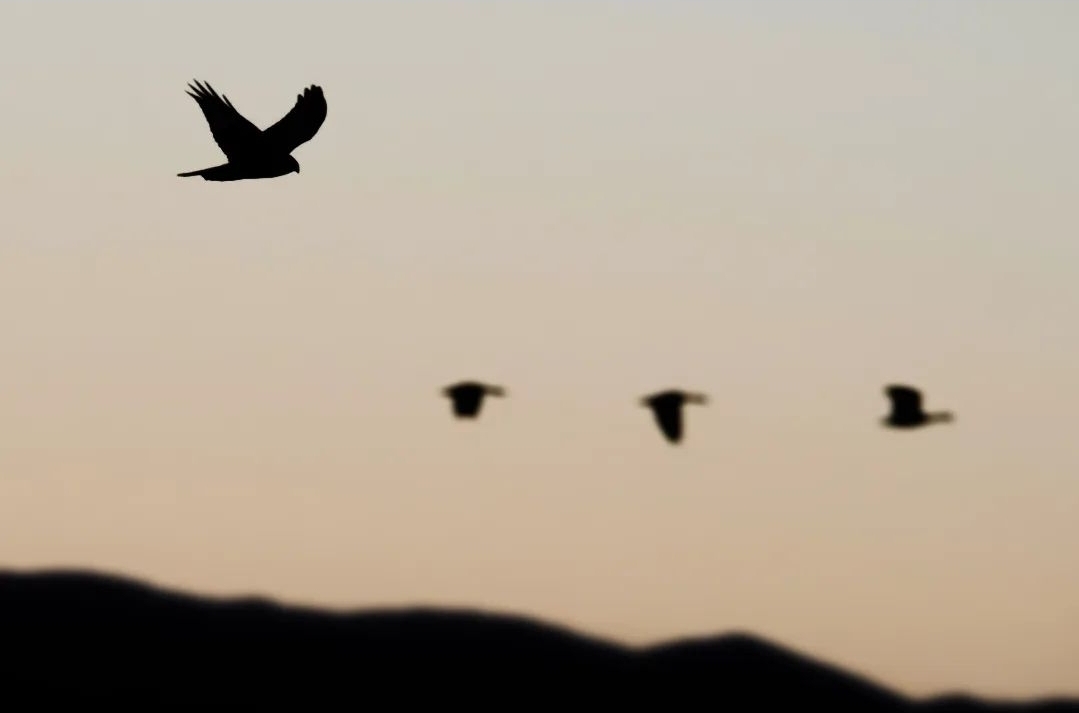
Birds of Yellowstone: Photography in the Wild invites participants to explore Yellowstone National Park through the unique perspective of its birds and the art of wildlife photography. Throughout the seminar, students will spend time in the field learning how to find, observe, approach, and photograph Yellowstone’s diverse birdlife while developing a deeper understanding of bird behavior and habitat. Hands-on instruction will cover composition, exposure, camera technique, working with changing light, and the challenges of photographing wild birds in their natural environment. Students will also learn how to evaluate and refine their images through practical editing instruction, giving them tools they can continue to use long after the seminar ends. Whether they are experienced photographers looking to strengthen their wildlife work or birders wanting to take their photography further, participants will leave with a greater understanding of both the birds they photograph and the craft of photographing them. The seminar offers an immersive opportunity to slow down, look closely, and experience Yellowstone through the birds that call the park home.
DAY 1
WELCOME & ORIENTATION
The program begins with an evening orientation where participants will have the opportunity to get acquainted and learn about the program. During this session, we’ll review the itinerary, introduce key seminar concepts, and provide guidance on what to pack for the field each day.
DAY 2
Into the Field: Photographing Yellowstone’s Birds
Students will spend the day in Yellowstone photographing birds in the wild while learning to respond to wildlife behavior, changing light, and field conditions. The day will combine hands-on photography instruction with a group image-review and editing session, allowing students to apply and refine the techniques they learn in the field.
DAY 3
Putting It All Together: Wildlife Photography in Practice
Students will return to the field to build upon the skills developed during the first day, pursuing photographic opportunities while receiving individualized instruction and feedback. The day will conclude with a group image-review and editing session focused on refining selected photographs and strengthening each student’s photographic process.
Dates & Times: The program begins at 7:00 p.m. on Friday, June 4, 2027, and goes through Sunday, June 7, 2027, at 5:00 p.m.
Lodging: This course does not include lodging, but we may have space available at the Yellowstone Overlook Field Campus. Click here to learn more. Otherwise, the town of Gardiner, MT has many places to stay. Click here to view a lodging directory from the Gardiner Chamber of Commerce.
Meals: This course is not catered. Participants will need to bring their own food; lunch should be able to travel in the field.
ACTIVITY LEVEL 1
- Be prepared to hike up to 1 mile per day, comfortably, through relatively flat terrain on maintained trails.
- For more information about our activity levels, please visit our Activity Level webpage here.
- Most activities will take place at elevations between 7,200 to 8,000 feet. Participants residing at lower elevations may want to arrive a day early to adjust to the altitude.
- To learn more about how specific medical conditions can be affected by Yellowstone’s environment and our activities, please visit our site page on health information.
- All field activities will be conducted as a group. If members of the group cannot participate in the day’s activities, they need to let the educator know in advance.
- To participate in this program, each participant must fill out and sign a health questionnaire and assumption of risk waiver. These forms must be completed and returned at least 30 days prior to the program start date.
GENERAL EQUIPMENT & PACKING LIST:
Refer to the Lamar-Based Field Seminars – General Information document for the suggested packing list.
EQUIPMENT SPECIFIC TO THIS COURSE:
Photography Equipment:
- Digital camera with a lens capable of at least 400mm focal length
- Monopod or tripod, recommended
- Camera kit/bag
- Extra camera batteries
- Battery charger
- Extra memory cards — bring more than you think you’ll need
- Lens cloth/microfiber cloth
- Laptop for group image review and editing
- Laptop/card reader or appropriate cable for transferring images
- Lens rain cover or basic weather protection
Photography note: Bring the equipment you’re comfortable using. A lens reaching 400mm or longer is strongly recommended, but you do not need to purchase new gear specifically for the course.
Whom to Contact: For any questions, concerns, or additional information please contact the following:
Program itinerary, health forms, payment, and general program questions please contact Yellowstone Forever at [email protected] or 406-848-2400 extension 3
Road updates, park conditions, and general park information please contact Yellowstone National Park Service at https://www.nps.gov/yell/contacts.htm
If running late for a program, please contact 406-641-2185.
General Information: For general information about the facilities, preparation for classes, what to expect, cancellation policies, and more, please see the Gardiner-Based Field Seminars – General Information document.
Cancellation Policy: Review our Cancellation & Refund Policies here.
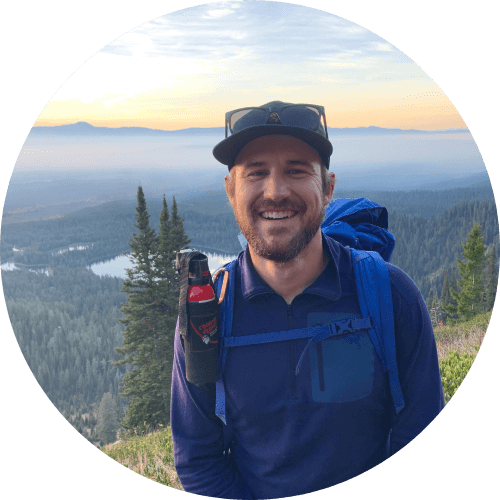
Justin Theurer
With a deep love for the outdoors, Justin Theurer pursued a degree in Environmental Studies from the University of Montana. Currently working as a professional wildlife photographer, Justin captures the breathtaking beauty and fascinating behaviors of wildlife. Justin’s passion for Yellowstone National Park is fueled by its unique opportunities to learn from the wildlife and connect deeply with the landscape. For Justin, Yellowstone serves as both a classroom and a canvas, where nature presents its most captivating lessons and inspirations.