Blog
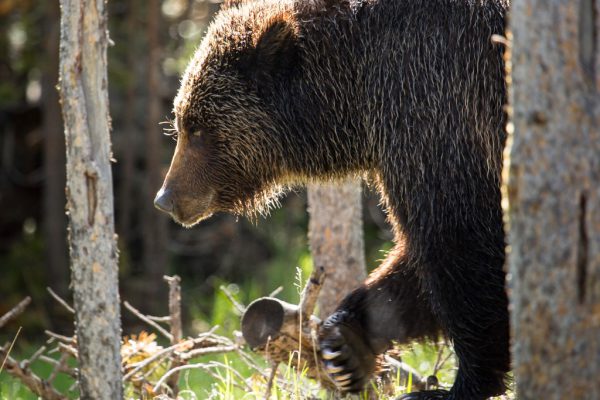
Each and every spring season, bears in Yellowstone emerge from hibernation on a constant search for food. Sows are on the move with their cubs and big grizzly boars look...
read more →
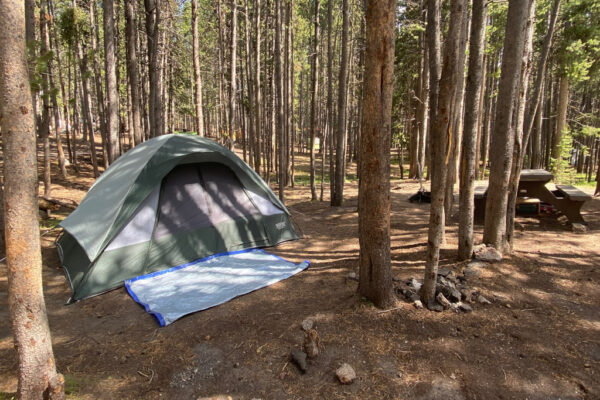
Camping in Yellowstone is a budget-friendly alternative to hotels, and also a whole lot of fun. It's a terrific way to unplug, experience the park's natural environment, and enjoy simple...
read more →
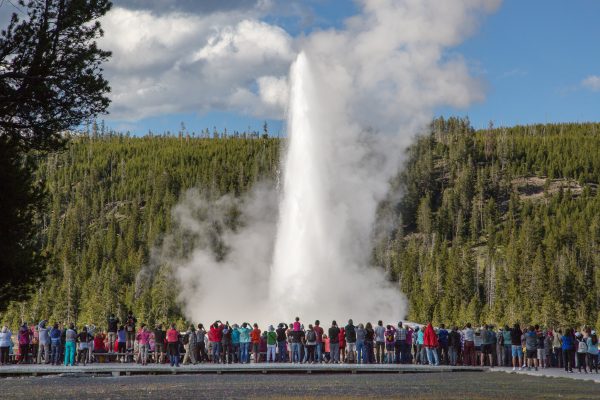
Guess who’s celebrating a birthday? Yellowstone National Park turns 148 years old today. Yellowstone was established as the world’s first national park by an act of Congress and signed into...
read more →
“If you’re in Yellowstone National Park, chances are you are within a historic property,” says Zehra Osman. She explains that the majority of the park’s roads, hotels, cabins, general stores,...
read more →
Imagine being serenaded to sleep by wolves howling in the distance as you snuggle up in your cozy log cabin. In the morning, you wake up to a fresh dusting...
read more →
For more than a century, day trippers and out-of-town guests have enjoyed spending the holidays in Yellowstone—an experience like no other. Park staff are on duty and ready to help...
read more →
by Michael Rosekrans, Naturalist As the days shorten and grow colder, Yellowstone begins to brace for winter. Natural processes unseen to the common visitor occur, transforming this dynamic ecosystem from...
read more →
Winter can be a harsh and unforgiving season in Yellowstone National Park. Heavy snow, brutal winds, and bitter cold often make the park a cruelly inhospitable place. So it’s no...
read more →
The Greater Yellowstone Ecosystem is home to the largest concentration of wildlife in the lower 48 states. But a dangerous threat to the ecosystem and its inhabitants lurks deep beneath...
read more →
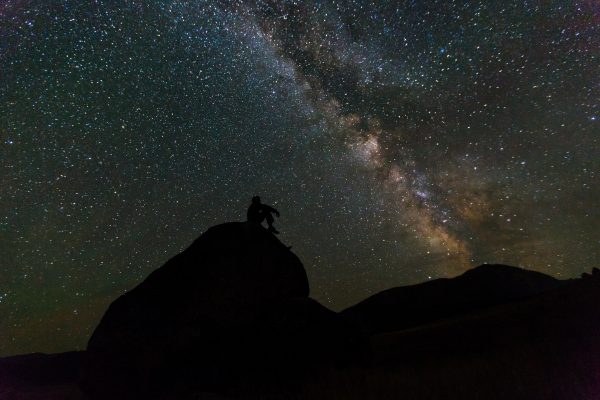
“If I had a chance to go, that’s it. I’m gone.” That’s Lynn Powers, president of the Southwest Montana Astronomical Society and instructor for the Yellowstone Forever Institute. She’d catch...
read more →
« Previous Page — Next Page »